Your Qi Gong classes in Geneva

Your Qi Gong classes in GenevaOctober 20, 2026, 1:00:48 PM +02:00

Qi Gong is a traditional Chinese practice that combines slow movements, breathing, concentration, and awareness of bodily sensations.

At La Clinique Naturelle in Geneva, Qi Gong classes are taught by Eric Zhao, a traditional Chinese medicine therapist, in small groups of up to 5 people or as private lessons.

The classes are open to both beginners and those with prior experience.

Group classes: Wednesdays at 5:30 p.m. and 6:45 p.m.
Duration: 1 hour
Location: La Clinique Naturelle, 20 Rue Jean-Sénebier, Geneva
Maximum: 5 participants per class
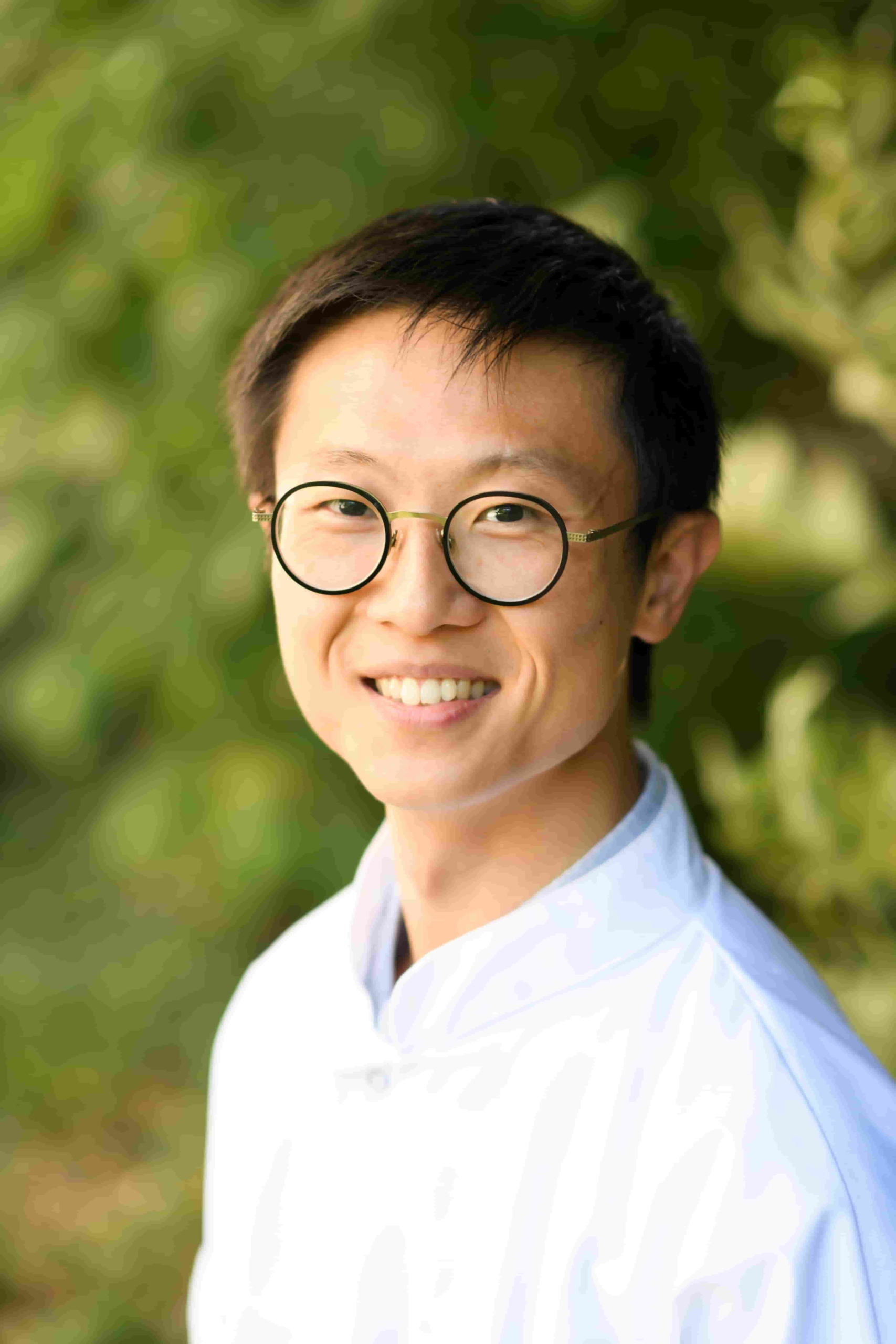
Our Qi Gong instructor in Geneva

eric

Eric has been practicing Qi Gong for many years and incorporates it into his personal and professional journey in Chinese medicine.

In particular, he holds a bachelor's degree in Chinese medicine, which he earned after five years of study at Shanghai University of Traditional Chinese Medicine.

His study of qigong also led him to train with various teachers from Chinese traditions.

What is Qigong?

Qi Gong is one of the traditional Chinese practices and is an integral part of traditional Chinese medicine.

The term “Qi Gong” is generally translated as “energy work” or “breath work.”

His practice is based on a combination of several elements:

  • gentle and generally slow movements;
  • breathing exercises;
  • maintaining various postures;
  • concentration and mindfulness of the body;
  • Depending on the exercise, periods of visualization or meditation.

Learning takes place gradually. The goal is not to achieve athletic performance, but to improve the quality of movement, coordination between movement and breathing, and body awareness.

Why Practice Qi Gong?

Qi Gong can be practiced simply as a gentle physical activity, as a way to take some time for yourself and get your body moving again.

Regular practice can help you work on the following, among other things:

Mobility and Flexibility

Slow movements allow you to gradually mobilize different parts of the body, while paying attention to the range of motion and how it feels.

Balance and Coordination

Changing from one posture to another, shifting weight, and performing a sequence of movements all require balance, stability, and coordination.

Breathing and Relaxation

Movement is combined with calm, mindful breathing. This combination can promote a state of relaxation and a greater awareness of physical tension.

Focus and Presence

Qigong requires focusing one's attention simultaneously on movement, posture, and breathing. It is therefore also a practice of mindfulness and concentration.

General Well-Being

Some studies on various forms of qigong suggest that they have beneficial effects on several aspects of well-being, quality of life, and certain physical abilities.

Qi Gong in Certain Types of Therapy

Qi Gong can also be incorporated into complementary care in certain situations—particularly in cases of long COVID—to gradually get the body moving again, work on breathing, and promote relaxation.

→ Learn more about our additional support services for long COVID

Who are the Qi Gong classes intended for?

The classes are open to adult beginners and more experienced students.

It is not necessary to:

  • to have practiced Qi Gong before;
  • to be particularly flexible;
  • to be in good physical condition;
  • to learn about Chinese medicine.

The exercises can generally be adapted to each person's abilities.

If you have a medical condition, a recent injury, or significant limited mobility, or if you are pregnant, it is recommended that you speak with Eric before class and, when necessary, seek advice from your healthcare provider.

Qi Gong is a complementary physical practice and is not a substitute for a medical diagnosis, treatment, or follow-up care.

What happens during a Qi Gong class?

The class generally alternates between several types of exercises:

Physical Preparation
Mobility exercises, warm-ups, and gentle stretches help gradually prepare the body for practice.

Movement Practice
Eric teaches the movements step by step and helps each person find a way to perform them that suits their abilities.

Breathing and Mindfulness
The movements are gradually combined with breathing and concentration exercises.

Qi Gong Sequences
Depending on the session and the group’s progress, different sequences may be covered.

Classes are limited to a maximum of 5 participants, which allows Eric to monitor everyone’s movements and provide individual corrections when necessary.

Qi Gong

Your Qi Gong Classes

Group Qi Gong Classes in Geneva

Wednesday at 5:30 p.m.
Wednesday at 6:45 p.m.

Class duration: 1 hour

Register online or at our front desk.

Private Qi Gong Class

It is also possible to practice Qi Gong in private lessons.

This approach allows for a more precise tailoring of the pace, exercises, and corrections to the individual and may be suitable for those who wish to explore the practice on their own or delve deeper into certain movements.

Register online or at our front desk.

Rates

Session Duration Rates
Group Class at the University – Essay 1h CHF 40
Pay-as-you-go group class 1h CHF 45
10-class pass – valid for 4 months 10 × 1 hour CHF 400
Private Lesson  1h CHF 140

Eric's Qi Gong methods

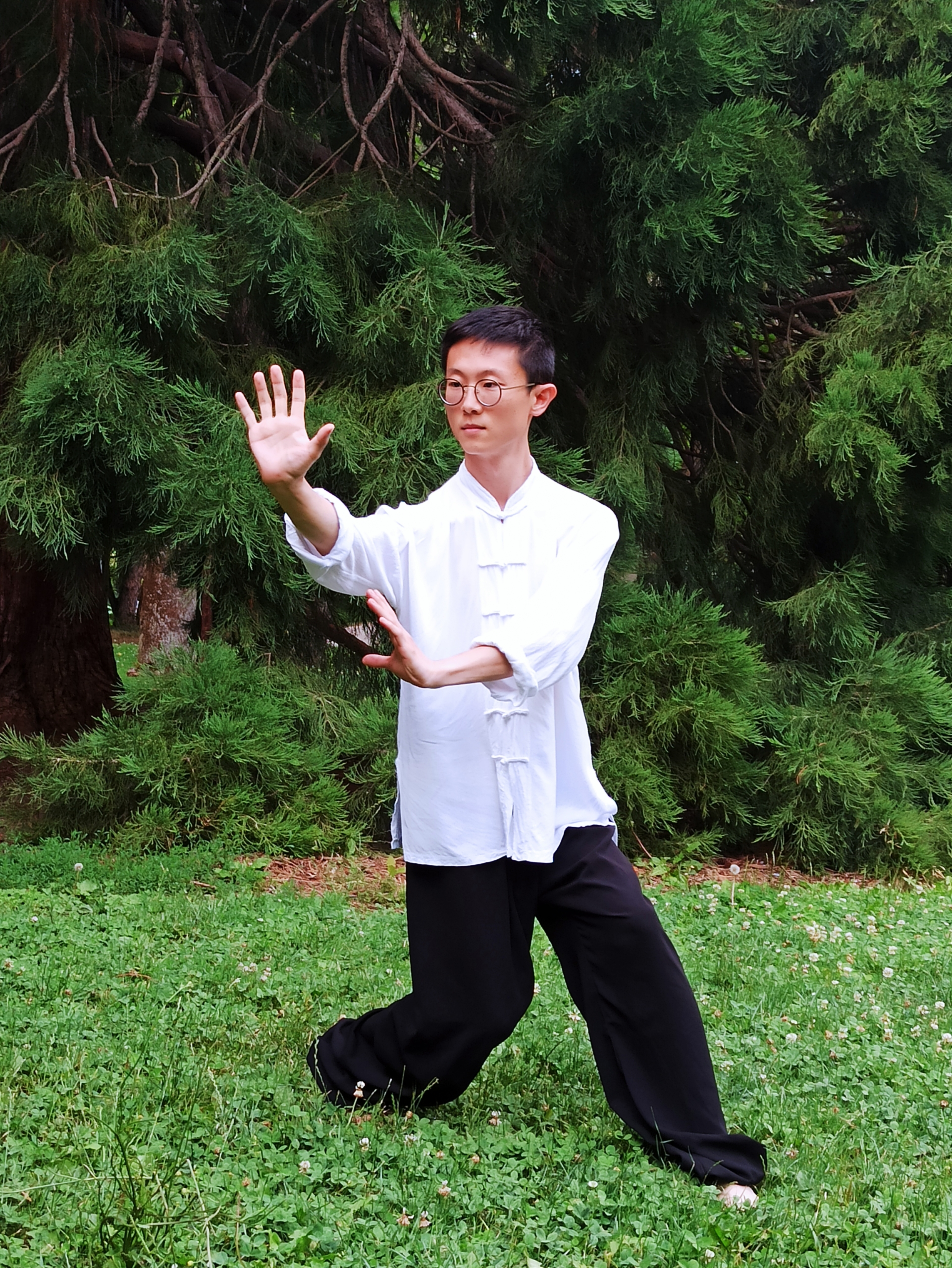
The Six-Sound Qigong

This traditional method combines six specific sounds with movements and breathing exercises.

In Chinese tradition, each of these sounds is associated with a specific functional system and is part of a traditional conception of the flow of Qi.

During the class, the focus is primarily on coordinating sound, exhalation, movement, and attention.

The class usually begins with warm-up exercises and stretches before gradually moving on to practicing the different sounds.
qi gong méthode des six sons thérapeutiques

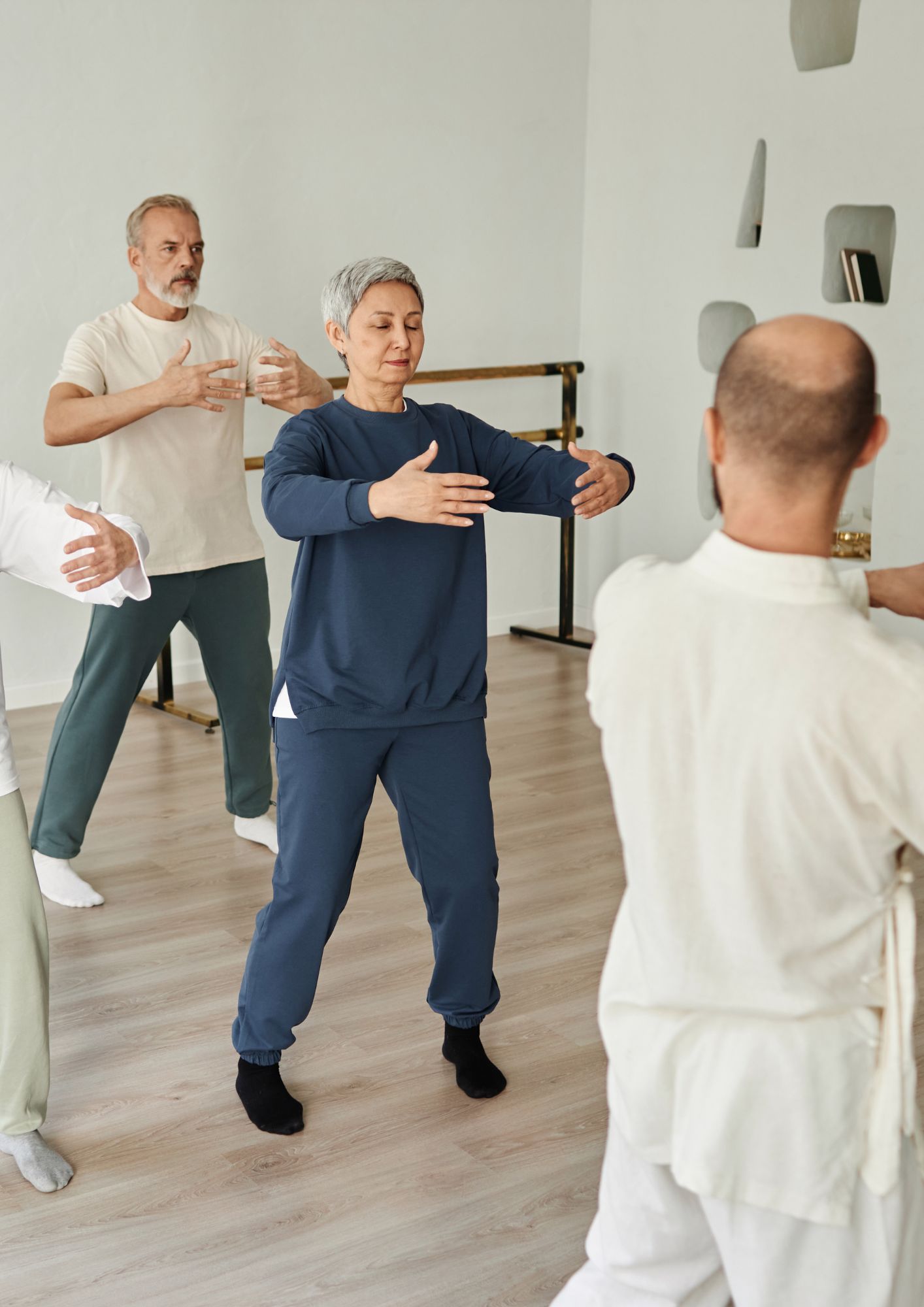
Tai Ji Qi Gong – The 18 Movements

Tai Ji Qi Gong consists of a series of 18 fluid movements performed slowly and coordinated with the breath.

This practice helps improve, among other things, fluidity of movement, weight shifts, coordination, balance, and breathing.

The movements are taught gradually so that they can be performed without focusing on performance.
qi gong (2)

FAQ – Qi Gong

Can you start practicing Qi Gong without any prior experience?September 2, 2026, 3:58:41 PM +02:00

Yes. The classes are open to beginners, and the movements are explained step by step. You don’t need to have any prior experience with Chinese martial arts or a similar activity.

Do you need to be flexible to practice Qi Gong?September 2, 2026, 3:59:44 PM +02:00

No. Qi Gong does not focus on performance or a specific range of motion. The movements can be adapted to each person's physical abilities.

Can Qigong help you relax?September 2, 2026, 4:06:10 PM +02:00

Slow movements, breathing exercises, and focusing on physical sensations can promote a state of relaxation. However, the effects experienced vary from person to person.

What should I wear to a Qi Gong class?September 2, 2026, 4:02:02 PM +02:00

Wear comfortable clothing that allows you to move freely. No special equipment is required.

Can you practice Qi Gong if you have pain or a health problem?September 2, 2026, 4:03:14 PM +02:00

It depends on the situation and the specific movements involved. Let Eric know about any pain, injury, illness, or significant limitation so that the exercises can be adapted whenever possible. If you have any doubts, consult your doctor or the healthcare professional who is treating you.

How often should you practice Qi Gong?September 2, 2026, 4:01:34 PM +02:00

There is no one-size-fits-all frequency. Regular practice generally makes it easier to learn and remember the movements. It’s also possible to repeat certain exercises at home between classes.

Is Qigong a form of physical activity?September 2, 2026, 4:00:59 PM +02:00

Yes, even though the intensity is generally moderate. Qigong engages the body, posture, balance, and coordination while integrating these movements with breathing and mindfulness.

What is the difference between Qigong and Tai Chi?September 2, 2026, 4:00:21 PM +02:00

Both practices have their roots in Chinese traditions and combine movement, breathing, and concentration. Tai Chi historically originated as a martial art and is based primarily on learning sequences of movements. Qi Gong encompasses numerous methods and exercises focused on movement, breathing, and mindfulness. Some practices straddle the line between the two disciplines, such as the Tai Ji Qi Gong taught by Eric.

Do you have a question?

Contact our front desk
Are you unsure about a therapy?
Would you like to know how a session works, find out about rates and reimbursement from supplemental insurance, or get information about your treatment plan?
Our therapy coordinators are available Monday through Friday to answer your questions and provide guidance.

OR

Would you like to be referred to the most appropriate therapy?
Free Career Assessment – 30 minutes
Are you dealing with a specific issue, or are you unsure which approach to take?
Take advantage of a free consultation with Marie-Anne Geiser, naturopath and founder of La Clinique Naturelle.
This consultation allows us to assess your situation, answer your questions, and, if necessary, develop a personalized treatment plan by referring you to the therapy or therapies best suited to your needs.

How to find us

20 Rue Jean-Sénebier in Geneva, between Plainpalais and the Old Town, near the HUG and Bastions Park.

Sources and Information

Scientific research on qigong has examined various methods, different populations, and varying durations of practice. While the research suggests potential benefits in certain areas, it does not support the use of qigong as a treatment for disease.

  • National Center for Complementary and Integrative Health (NCCIH) – information on the safety of complementary body practices, including Qi Gong.
  • PubMed – Chang et al., 2019 – a systematic review and meta-analysis on the physical and psychological effects of qigong in older adults.
  • PubMed – Gouw et al., 2019 – a systematic review and meta-analysis on qigong, quality of life, and chronic diseases.
  • PubMed – Systematic Review 2025 – Recent studies on various traditional forms of qigong and their effects on the physical abilities of older adults.

Last update to this page: September 2, 2026

Go to top