La Clinique Naturelle logo

Your nutritionist in Geneva

Your nutritionist in GenevaJuly 23, 2026, 6:27:39 PM +02:00


Taking care of your diet means taking care of yourself.

Nutrition at Clinique Naturelle 

✔ Personalized support tailored to your lifestyle, habits, and goals.

Gradual, realistic, and sustainable recommendations— a far cry from restrictive diets.

✔ Treatment that can be supplemented by micronutrition.

✔ An approach complementary to conventional medicine, based on active listening andnutrition education.


Ready to take care of yourself?
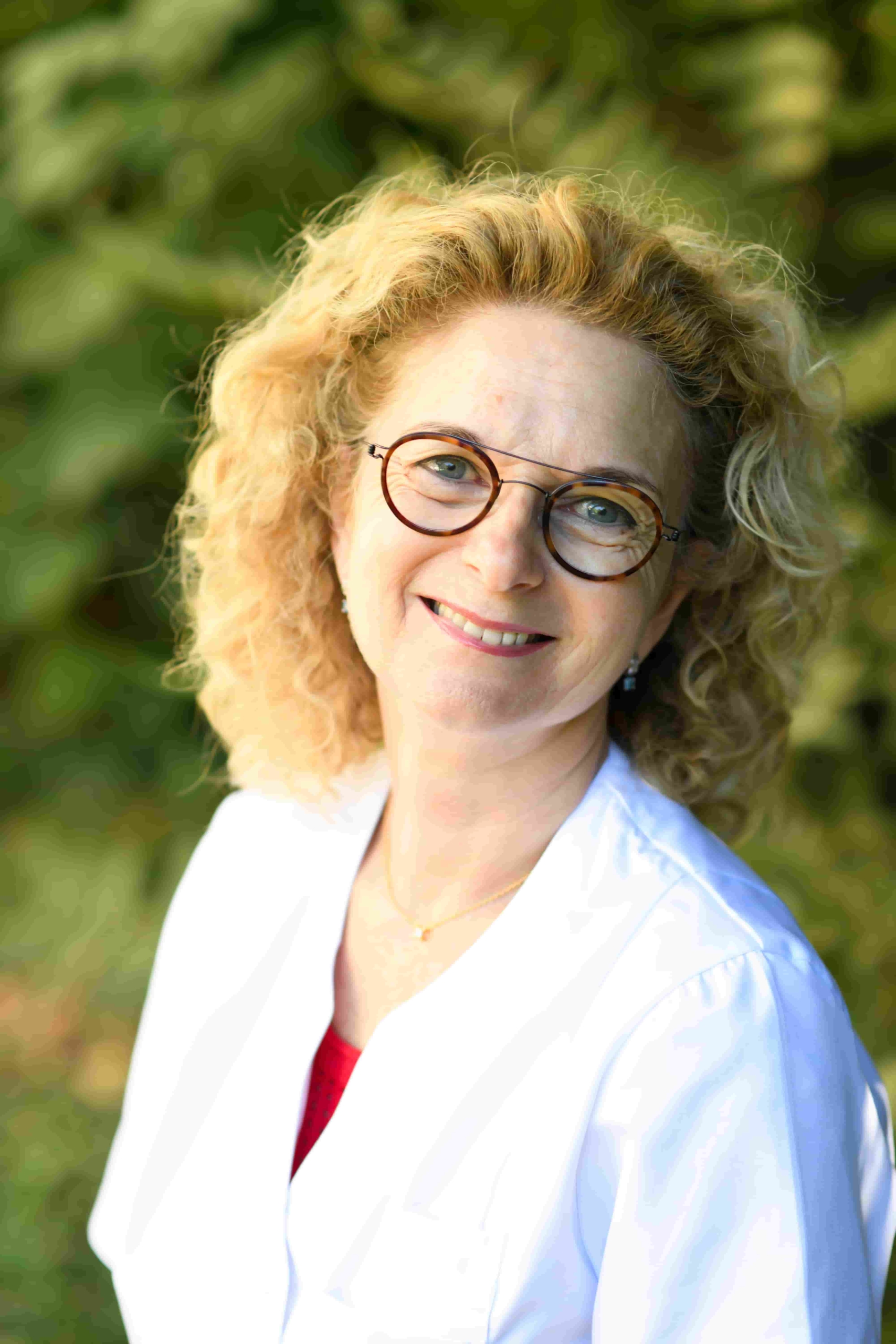
Our nutrition therapists

Two experienced professionals to guide you with complete confidence.

marie anne

ASCA-certified therapist
MCO naturopath

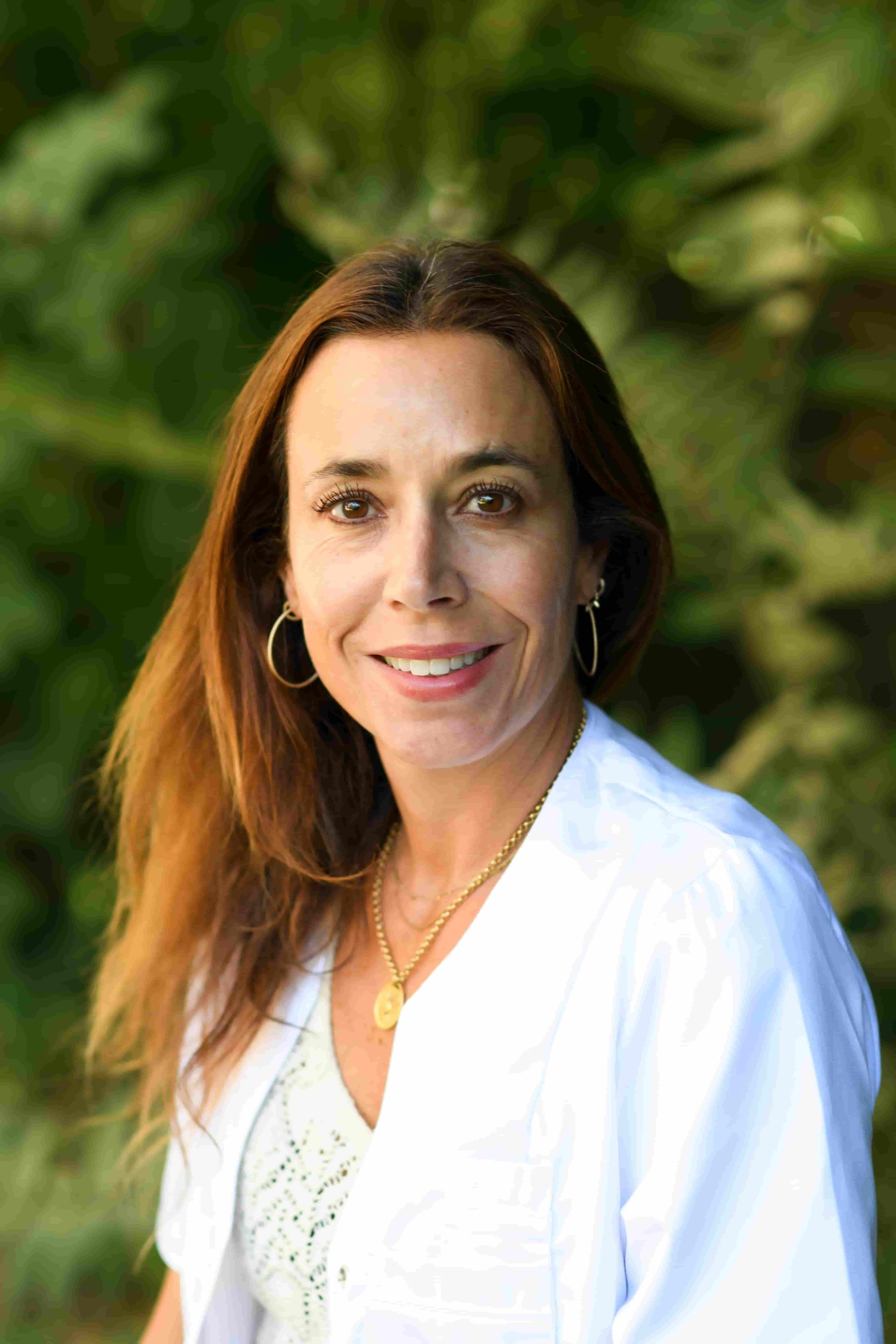
Caroline Vogt

ASCA- and RME-certified therapist
Nutrition and Micronutrition

Why See a Nutritionist?

Have you tried several diets without success?

Do you suffer from digestive problems, low energy, or weight gain, or do you simply want to return to a more balanced diet?

Our goal is to work with you to develop a diet that fits your daily life and is sustainable over the long term.

Small changes, tailored to your situation, can have a positive impact on your energy levels, digestive comfort, sleep, gut microbiota balance, and much more.

Can nutritional advice be effective for you? If you're not sure, you can talk to nutritionist Caroline for a free 15-minute assessment and evaluate your needs.

Who is nutrition for?

Everyone!

Children, adults and the elderly have different nutritional needs. They vary according to age, lifestyle, energy expenditure, stress levels and metabolism...

Our nutritionists and micro-nutritionists are here to help you find a totally customized diet.

In what situations might nutritional counseling be appropriate?

Nutrition consultations can be effective in the following cases:

Digestive discomfort

Bloating, digestive issues, heartburn, acid reflux, food intolerances…

Weight loss

Weight loss, prevention of overweight and obesity…

Poor nutrient absorption, deficiencies 

Iron deficiency, vitamin deficiency, magnesium deficiency, vegetarian or vegan diets…

Diseases of civilization

Type 2 diabetes, cardiovascular disease, cancer, high blood pressure…

Autoimmune diseases

Celiac disease, Crohn's disease…

Inflammatory diseases

Women's health

Premenstrual syndrome (PMS), menopause, endocrine disorders (thyroid and adrenal), postpartum, fertility…

Mental disorders

Mood disorders, stress, anxiety, depression, difficulty concentrating…

Sleep disorders

Insomnia, waking up in the middle of the night…

Support for Detox and Fasting

Nutrition is part of a complementary approach

Nutritional counseling is not a substitute for a medical consultation. If you experience significant or persistent health issues, unexplained weight loss, or any unusual symptoms, it is important to consult your doctor to determine the cause.

What does a nutrition consultation involve?

Your first session:

  • During the initial consultation, we aim to analyze patients’ eating habits and behaviors in order to understand their specific challenges. This analysis allows us to work with the patient to develop personalized dietary plans tailored to their goals and lifestyle, with the aim of achieving a balanced diet. Dietary supplements may also be prescribed as needed. We also guide you in choosing foods available in stores and offer meal suggestions. During the consultation, the therapist conducts a medical history review, which involves asking a series of questions about your medical history and lifestyle in order to establish your profile and identify the specific issue.
  • If you have a recent blood test, bring it with you to this session. This will enable the therapist to confirm/infirm any deficiencies.
  • This is complemented by a measurement of your physiological data using an impedancemeter scale to assess your body composition (body fat, muscle mass, lean body mass, basal metabolic rate, etc.).

Your second session:

  • At this session, you'll be asked to bring a small food diary for the last 3 days, to enable the therapist to assess your eating habits and set up a tailor-made dietary protocol. In case of increased micro-nutritional needs, dietary supplements will also be prescribed.

Your follow-up:

  • To achieve the best possible results, a series of sessions is generally required.

Are there any contraindications to nutritional counseling?

Nutrition counseling is suitable for the vast majority of situations. However, certain issues require prior medical consultation or a multidisciplinary approach. During your first consultation, your nutritionist will assess your situation to ensure that this support is appropriate for your needs and, if necessary, will refer you to your doctor or another healthcare professional.

Some issues are discussed in greater detail

Here are a few conditions for which nutritional support may be recommended. This list is not exhaustive and links to dedicated information pages explaining our approach for each situation.

Why Choose La Clinique Naturelle for Your Nutritional Care?

Two experienced professionals with complementary backgrounds.

Nutrition services are provided by Marie-Anne Geiser, a naturopath, and Caroline Vogt, a nutritionist and micronutrient specialist. This combination of complementary expertise allows us to offer support that is thorough, personalized, and tailored to your needs.

Both are ASCA-certified, and Caroline Vogt is also RME-certified.

A multidisciplinary team at your service

Marie-Anne Geiser and Caroline Vogt work as part of a team of therapists with complementary skills. Regular discussions among professionals, the sharing of experiences, and knowledge of different approaches help enrich each treatment plan.

When appropriate, they can also refer you to other therapies offered at the Clinique Naturelle, such as acupuncture, chi nei tsang, colon hydrotherapy, sophrology, or other complementary treatments, in order to best meet your needs.

A secure environment

Clinique Naturelle is committed to a quality-focused approach. Marie-Anne Geiser and Caroline Vogt have adopted a joint operating charter that ensures a rigorous work environment and adherence to their respective areas of expertise.

A complementary approach to conventional medicine

Colonic hydrology is part of a complementary approach to conventional medicine. It is never a substitute for medical care and can, when necessary, be integrated into a coordinated treatment plan with your doctor or other healthcare professionals.

Health begins on the plate

The human body has a fascinating ability to regenerate itself when provided with the nourishment it needs to function better. As a result, it gains vital energy and longevity.

Go further with the OligoCheck & CardiCheck assessment

In order to refine nutritional support and offer personalized recommendations, it is possible to carry out an OligoCheck and CardiCheck assessment in consultation with Philippe Lavigne.

This functional assessment allows for the evaluation of mineral, trace element, and vitamin status, as well as certain markers related to oxidative stress, and provides information on cardiovascular function.

These data provide a more accurate picture of the biological terrain and enable nutritional and micronutritional strategies to be tailored to each individual's specific needs.

Your treatment at a glance

How do nutrition consultations work?

The initial one-hour consultation allows us to conduct a comprehensive assessment of your eating habits, lifestyle, and health goals.

The therapist will assess your diet, energy levels, digestion, and sleep, as well as any nutritional deficiencies or specific health issues you may have, in order to develop a personalized treatment plan.

During the follow-up sessions (30 minutes each), you’ll receive simple, step-by-step recommendations to help you achieve a sustainable, balanced diet that fits your daily life and your needs.

nutrition

How often should I have my nutrition checkup?

Nutritional counseling typically involves several sessions to help you make lasting changes at a pace that suits you.
Follow-up sessions allow us to gradually adjust dietary recommendations, evaluate your progress, and help you stay motivated over time.
Depending on your goals, you may opt for a few one-time consultations or regular follow-up sessions.

Are nutrition sessions covered by insurance?

Our nutrition therapists are ASCA- and/or RME-certified.
Depending on your supplemental insurance plan, consultations may be covered in full or in part.
We recommend that you check the reimbursement terms directly with your insurer.

Our Nutrition Rates

(subscription valid for 1 year)

Session Duration Rates
A one-hour session 1 session, 1 hour CHF 160
A thirty-minute session 1 30-minute session (follow-up session) CHF 100
5-session follow-up subscription 2 one-hour sessions and 3 30-minute sessions CHF 570

FAQ – Nutrition

Dietitian and nutritionist: what's the difference?June 9, 2026, 1:34:09 PM

In Switzerland, dietitians are healthcare professionals who hold a Bachelor’s degree in Nutrition and Dietetics from a University of Applied Sciences (HES) after four years of study. Their training is recognized and regulated by the Health Act.

The educational paths leading to a career as a nutritionist can vary widely.

Will they weigh me?March 18, 2026, 9:42:41 PM

As part of your treatment, the therapist will weigh you using a body composition scale (to measure muscle and fat) at each session to track your progress.

Will I have to go on a diet?March 18, 2026, 9:41:32 PM

No, the therapist will give you recommendations to gradually incorporate into your daily routine. The follow-up plan is tailored to each individual.

How many appointments?March 18, 2026, 9:40:51 PM

It depends on the individual, their motivation, and their health.

What role does nutrition play?March 18, 2026, 9:40:16 PM

The role of nutrition is to provide your body with the energy it needs to function properly.

autour d'une table

We discuss nutrition in this article: “The Health Benefits of Diet: Why Eating Well Can Improve Your Quality of Life?”

Taking care of yourself starts with eating well. Eating isn't just about filling your stomach. Eating is first and foremost the best way to provide your body with what it needs to function at its best: to be healthy and in better shape!

When you provide your body with the right nutrients, it will defend itself better against seasonal viruses, the free radicals responsible for aging, and diseases such as cancer and cardiovascular disease. Cognitive faculties can also be enhanced by certain foods.

A good diet also helps maintain the microbiota (intestinal flora) and the nervous and hormonal systems. Among other things, these balance our moods and sense of well-being.

Are there diets that are good for you, easy to follow and without starvation and/or deficiencies?

Studies have shown that following the Mediterranean diet (1) or the Okinawa diet (2) leads to healthier, longer lives:

The PREDIMED study, with 7447 participants, is the largest interventional study ever carried out on the Mediterranean diet. It confirmed the prevention of cardiovascular disease, increased life expectancy and even reduced the risk of Alzheimer's disease.

We discuss nutrition in this article: “Weight Loss: How Can Your Nutritionist Help You Lose Weight Long-Term?”

In most industrialized countries, the proportion of overweight and obese adults is historically high. In fact, over 30% of the Swiss population is not at a healthy weight, and over 10% is obese. Many of these overweight people suffer from obesity. Many would like to take action to feel better about themselves and improve their health. The word diet is on many lips, in magazines, books and social networks. People dream of rapid weight loss. According to most of these diets, to lose weight we have to reduce our daily calorie intake by depriving ourselves. But what does the word "diet" actually mean?

A diet is first and foremost a way of eating (the Mediterranean diet, for example) or a dietary protocol in a specific therapeutic context, such as following an operation or illness. On the other hand, "going on a diet" is undeniably associated with a "slimming program" that results in calorie restriction with the sole aim of losing weight by imposing deprivations on the body that can be deleterious. So beware, "going on a diet" is not recommended, especially if undertaken without support.

We discuss nutrition in this article: “The Health Benefits of Diet: Why Eating Well Can Improve Your Quality of Life?”

Taking care of yourself starts with eating well. Eating isn't just about filling your stomach. Eating is first and foremost the best way to provide your body with what it needs to function at its best: to be healthy and in better shape!

When you provide your body with the right nutrients, it will defend itself better against seasonal viruses, the free radicals responsible for aging, and diseases such as cancer and cardiovascular disease. Cognitive faculties can also be enhanced by certain foods.

A good diet also helps maintain the microbiota (intestinal flora) and the nervous and hormonal systems. Among other things, these balance our moods and sense of well-being.

Are there diets that are good for you, easy to follow and without starvation and/or deficiencies?

Studies have shown that following the Mediterranean diet (1) or the Okinawa diet (2) leads to healthier, longer lives:

The PREDIMED study, with 7447 participants, is the largest interventional study ever carried out on the Mediterranean diet. It confirmed the prevention of cardiovascular disease, increased life expectancy and even reduced the risk of Alzheimer's disease.

Go to top