
La microkinésithérapie est une approche manuelle douce, proposée aux nourrissons, aux enfants et aux adolescents. Elle repose sur des palpations légères et s’inscrit dans une démarche complémentaire visant à accompagner le confort et le bien-être de l’enfant.
La microkinésithérapie pour enfants et adolescents à la Clinique Naturelle
✔ Une technique douce, sans manipulation forcée, adaptée à la sensibilité et au confort des plus jeunes.
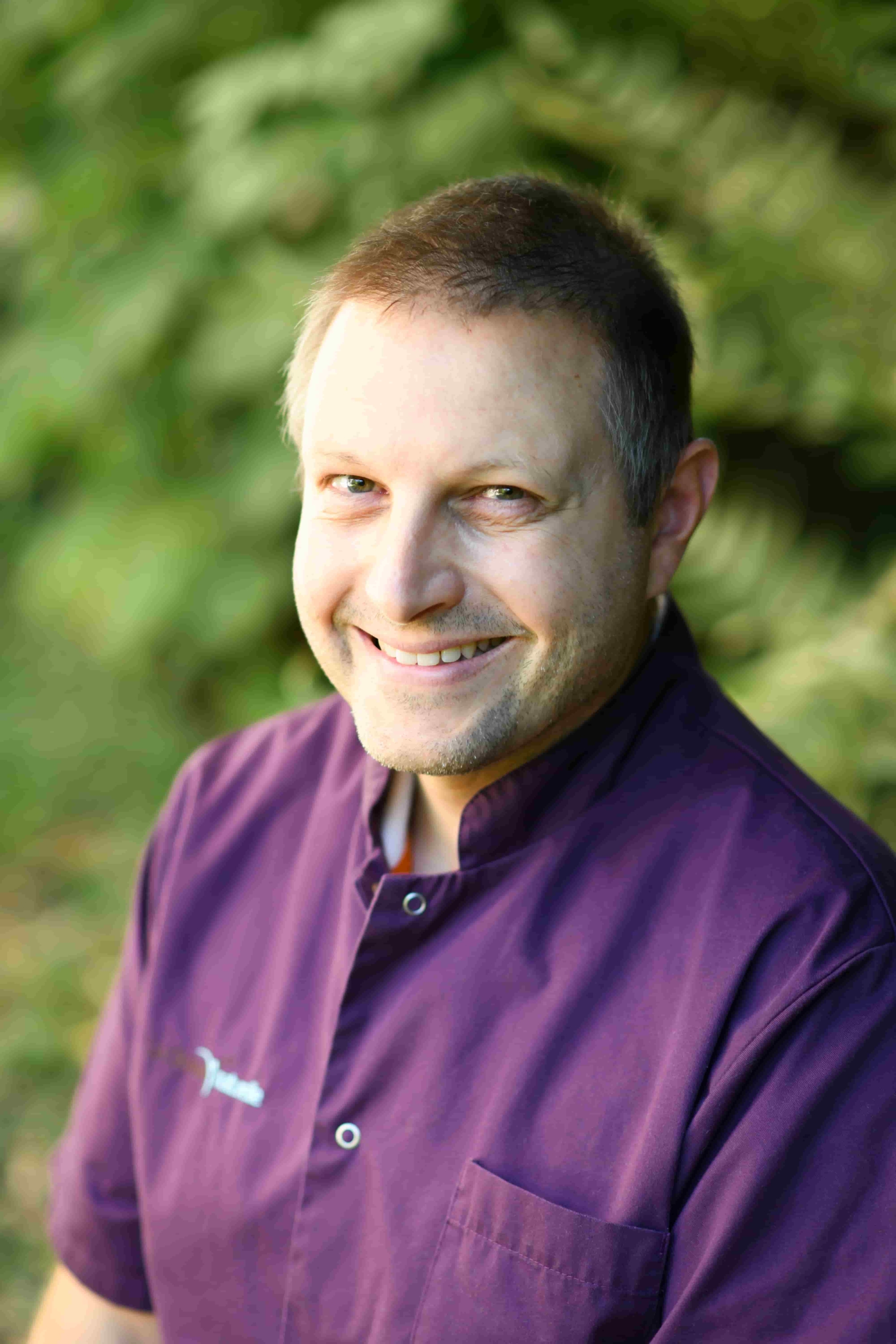
✔ Un thérapeute initialement formé en kinésithérapie et réadaptation, également spécialisé en microkinésithérapie.
✔ Une consultation qui respecte les réactions et les besoins de l’enfant.
✔ Un accompagnement complémentaire au suivi pédiatrique, au sein d’une équipe réunissant plusieurs spécialités pour les enfants et adolescents.
What is microkinesitherapy?
Développée dans les années 1980 par deux kinésithérapeutes français, Daniel Grosjean et Patrice Benini, la microkinésithérapie est une méthode manuelle qui repose sur une technique appelée micropalpation.
Selon les principes de cette approche, certains événements physiques, émotionnels ou environnementaux pourraient laisser des traces dans les tissus. Le praticien recherche, par un toucher léger, des zones qu’il interprète comme présentant des restrictions ou des tensions, puis effectue de petites stimulations manuelles.
Cette notion de mémoire tissulaire, propre à la théorie de la microkinésithérapie, n’est toutefois pas établie scientifiquement comme un mécanisme permettant d’identifier ou d’effacer les conséquences d’un traumatisme.
Chez l’enfant, la méthode se caractérise avant tout par la légèreté du toucher et l’absence de manipulation forcée.
Pour en savoir davantage sur cette méthode, consultez notre page consacrée à la microkinésithérapie à Genève.


Ce qui fait la force de notre accompagnement en microkinésithérapie pour enfants/ adolescents à La Clinique Naturelle ?
Rates
| Session | Duration | Rates |
|---|---|---|
| One session | 1 h | CHF 155 |
*Our subscriptions are valid for 1 year
Are the sessions covered by supplemental insurance?
Some supplemental insurance plans may cover part of the cost of sessions. However, coverage depends on your policy, the type of therapy you receive, and the therapist you choose.
Before your first appointment, we recommend that you contact your insurance provider directly and provide them with the following information:
- the therapist's name;
- the therapy in question.
The therapists at La Clinique Naturelle hold professional accreditations that vary depending on their specialty, including accreditation fromASCA and/or RME. However, these accreditations do not automatically guarantee reimbursement for sessions: only your insurance provider can confirm the exact terms of your coverage.
Do you have a question?
OR
Further information
Our articles on this topic
Educational articles written by our therapists to help you better understand this topic and answer the most frequently asked questions:
