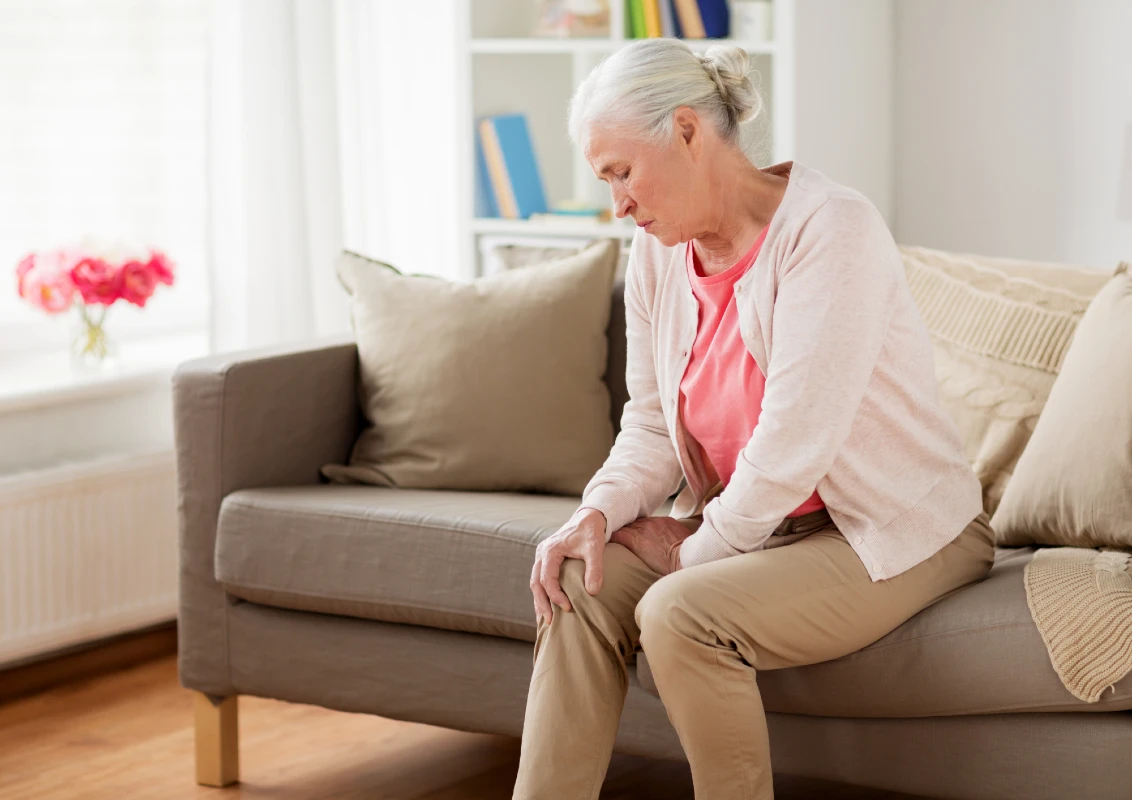
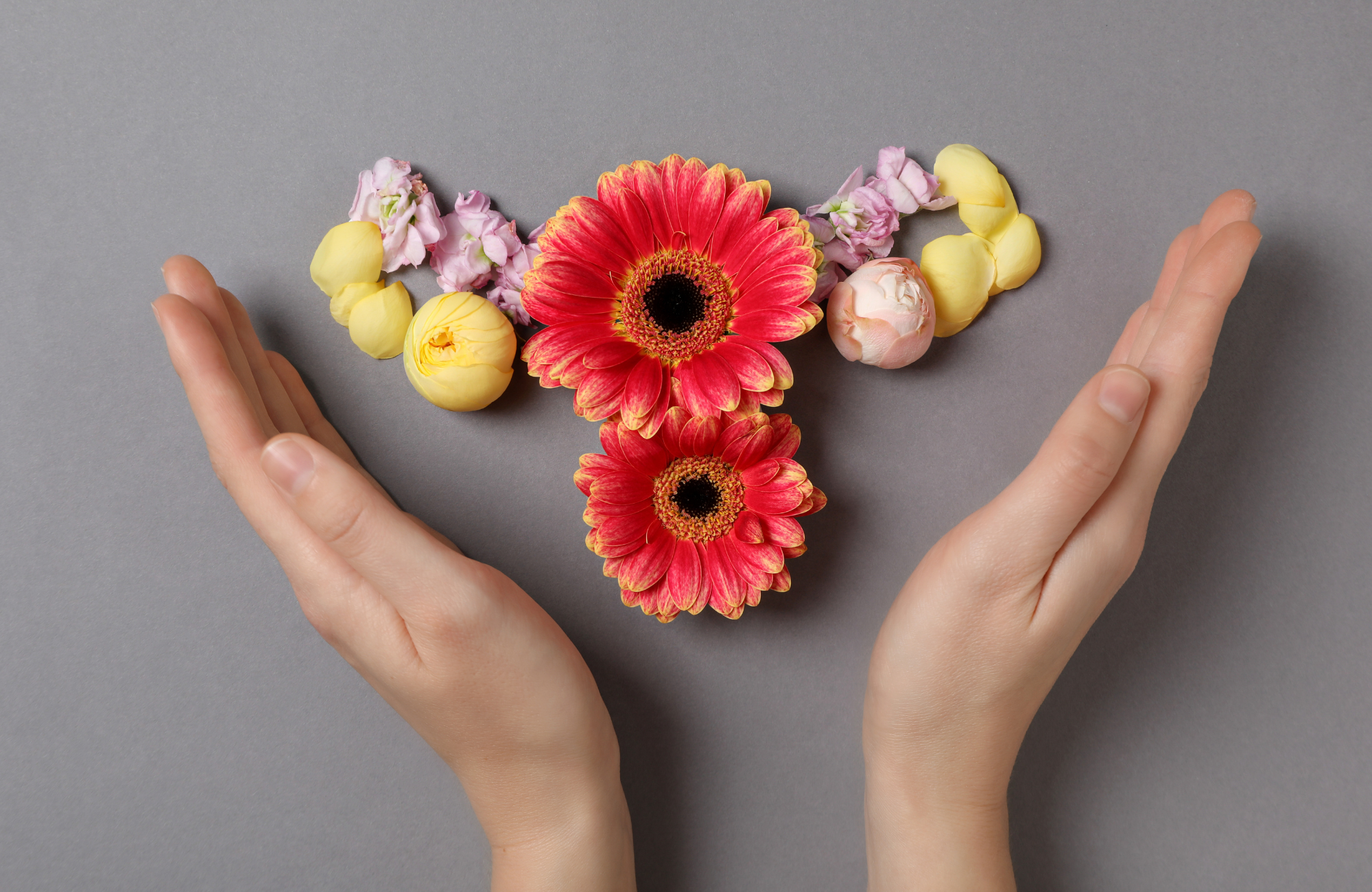
From puberty to menopause, a woman’s life is marked by various hormonal and physiological changes that can sometimes be accompanied by symptoms or discomfort.
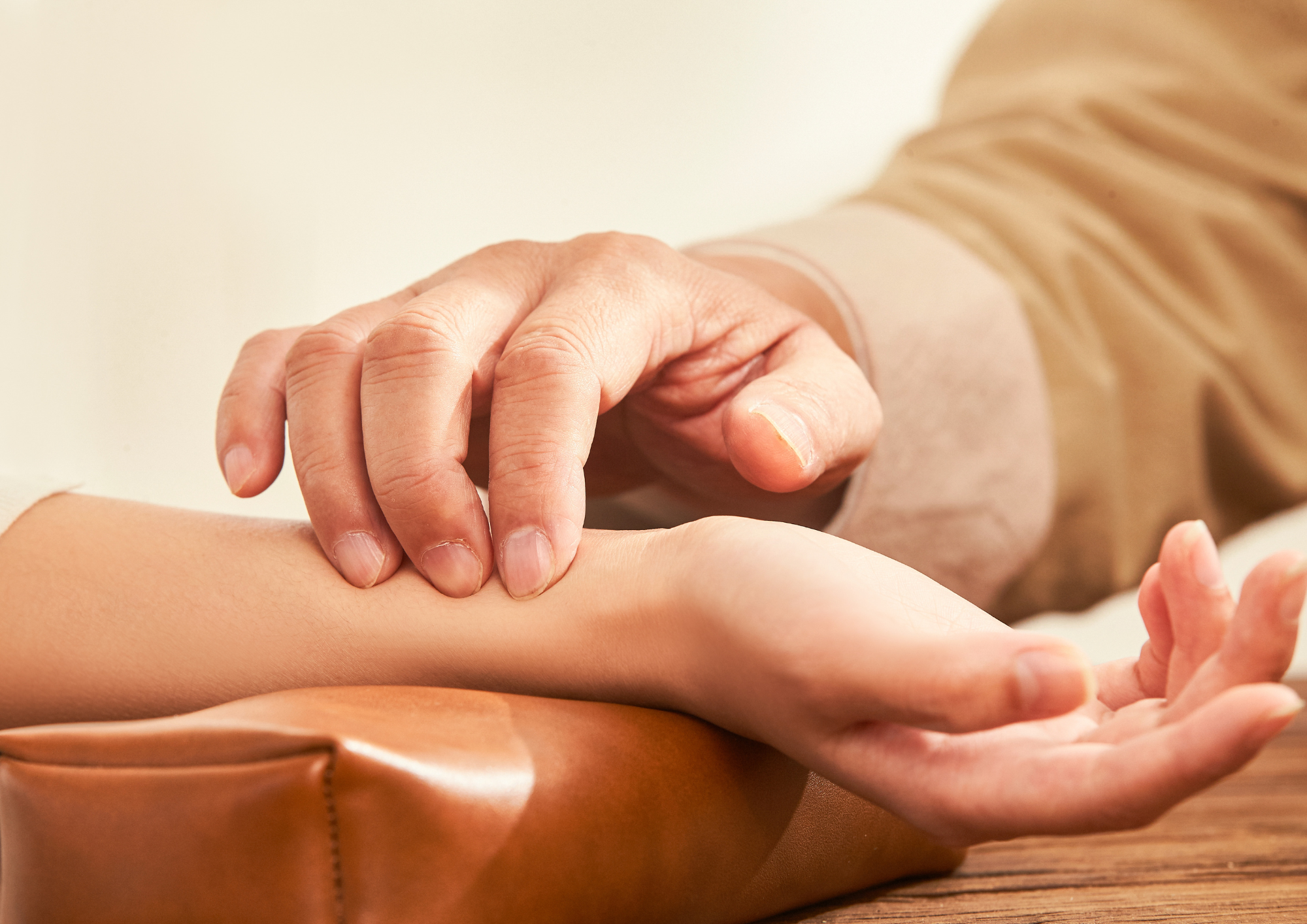
Acupuncture, a practice of traditional Chinese medicine, can be recommended at various stages of a woman’s life. Treatment is tailored to the patient’s specific reason for seeking care, as well as her overall health, associated symptoms, and any ongoing medical treatments or follow-up care.
At La Clinique Naturelle in Geneva, acupuncture for women’s health is practiced as a complementary approach to gynecological, obstetric, or medical care, as needed.
Acupuncture and Women's Health at La Clinique Naturelle
✓ An approach tailored to the different stages of a woman’s life: menstrual cycle, planning a pregnancy, pregnancy, postpartum, perimenopause, and menopause.
✓ One-hour appointments, allowing time for an assessment, active listening, and adjusting the treatment plan.
✓ A therapist with special expertise in women's health, supported by other practitioners of Chinese medicine.
✓ A multidisciplinary environment that allows for consultation with or referral to other professionals when appropriate.
✓ A practice designed to complement conventional medical care when necessary
Acupuncture at Different Stages of a Woman's Life
Needs and challenges change over the course of a person’s life. In Chinese medicine, the practitioner does not focus solely on the symptom that prompted the consultation; he or she also seeks to understand its progression, its context, and any other signs that may be associated with it.
The support is therefore tailored to each woman and the stage of life she is going through.
Menstrual Cycle and Periods
Menstrual cramps, premenstrual syndrome, and various other discomforts associated with the menstrual cycle are among the reasons why some women turn to acupuncture.
During the evaluation, the therapist focuses in particular on the regularity and duration of the menstrual cycle, the characteristics of menstrual periods, when symptoms begin, and how they progress. The therapist also takes into account any headaches or migraines, mood swings, fatigue, sleep disturbances, or other symptoms associated with the menstrual cycle.
The selection of acupuncture points is then tailored to each individual based on this assessment and may change over the course of the treatment sessions.
Menstrual periods that are particularly painful, very heavy, irregular, or show an unusual change should be evaluated by a doctor to determine the cause.

Perimenopause and Menopause
Perimenopause and menopause can be accompanied by symptoms that vary greatly from one woman to another: hot flashes, night sweats, sleep disturbances, fatigue, mood swings, migraines, or other discomforts.
A practitioner of Chinese medicine considers these various symptoms as a whole in order to tailor treatment to each individual.
Acupuncture is one of the non-pharmacological approaches being studied for certain symptoms associated with this period. However, the level of evidence varies depending on the symptoms and the available studies.
It can therefore be viewed as a complementary approach, without replacing a medical evaluation or treatment when they are necessary.

Pregnancy and Fertility Project
Acupuncture can support efforts to conceive, whether the pregnancy is spontaneous or part of a medical fertility treatment plan.
A Traditional Chinese Medicine assessment may take into account , among other things , the menstrual cycle, overall health, sleep, stress, and various symptoms experienced.
If you are having difficulty conceiving, a medical fertility evaluation remains essential. When undergoing assisted reproductive technology (ART), acupuncture may be considered as a complementary treatment, though it should not replace the medical treatments or follow-up care provided by the medical team.

Pregnancy
During pregnancy, acupuncture may be considered to help manage certain symptoms and discomforts that arise throughout the different trimesters.
The therapist tailors their approach to the stage of pregnancy, the woman’s situation, and any ongoing treatments or follow-up care.
You should always inform your therapist if you are pregnant so that he or she can adjust the choice of acupuncture points and the techniques used.
Acupuncture is used as a complement to the care provided by a gynecologist, midwife, or obstetric team and does not replace medical care during pregnancy.

Postpartum
After childbirth, the body goes through a significant period of recovery and adjustment.
Depending on the situation, acupuncture may be considered as part of a treatment plan that specifically addresses fatigue, sleep, emotional well-being, and certain discomforts experienced after childbirth.
The therapist takes into account the course of the pregnancy and delivery, any breastfeeding, as well as any ongoing treatments and follow-up care.
Certain symptoms that occur after childbirth require medical evaluation and should be reported to the healthcare professionals providing care for the mother.
Issues that can also arise at different stages of life
Some issues are not specific to a particular time of the month. They may arise or change during the menstrual cycle, during periods of hormonal changes, around the time of pregnancy, or as menopause approaches.
Acupuncture may be considered, in particular, to support:
Stress and anxiety
Stress, anxiety, or a period of high emotional strain may be among the factors taken into account during counseling.

Migraines and Headaches
Some women notice changes in their migraines or headaches during their menstrual cycle or during periods of hormonal changes. Acupuncture is one of the approaches being studied for the prevention of certain types of migraines and headaches.

Sleep and Fatigue
Difficulty falling asleep, waking up during the night, disrupted sleep, or fatigue can occur at various stages of a woman’s life and should be included in the assessment.

Symptoms Associated with Hormonal Changes
Irregular periods, changes in menstrual flow, hot flashes, sleep disturbances, mood swings, or other symptoms may sometimes be associated with hormonal fluctuations.
What is a session with Monika like?
Each session is a time for listening and personalized support, designed to meet the specific needs of each woman.
The session begins with an in-depth discussion (medical history) to better understand your situation, your symptoms, your lifestyle, and your emotional state. This energy assessment, based on Traditional Chinese Medicine, helps identify the imbalances underlying your symptoms.
Based on your needs, a personalized treatment plan is then developed.
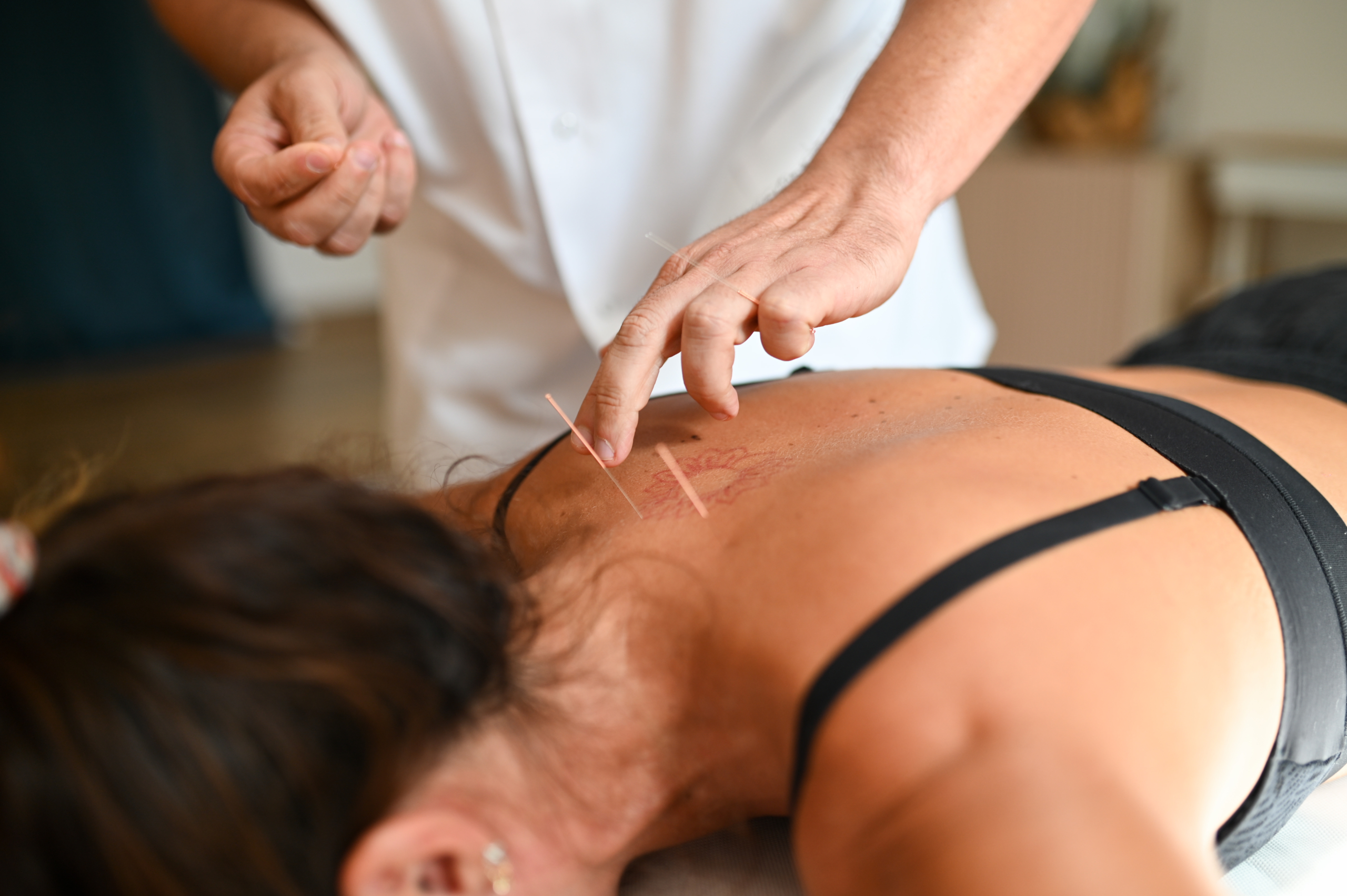
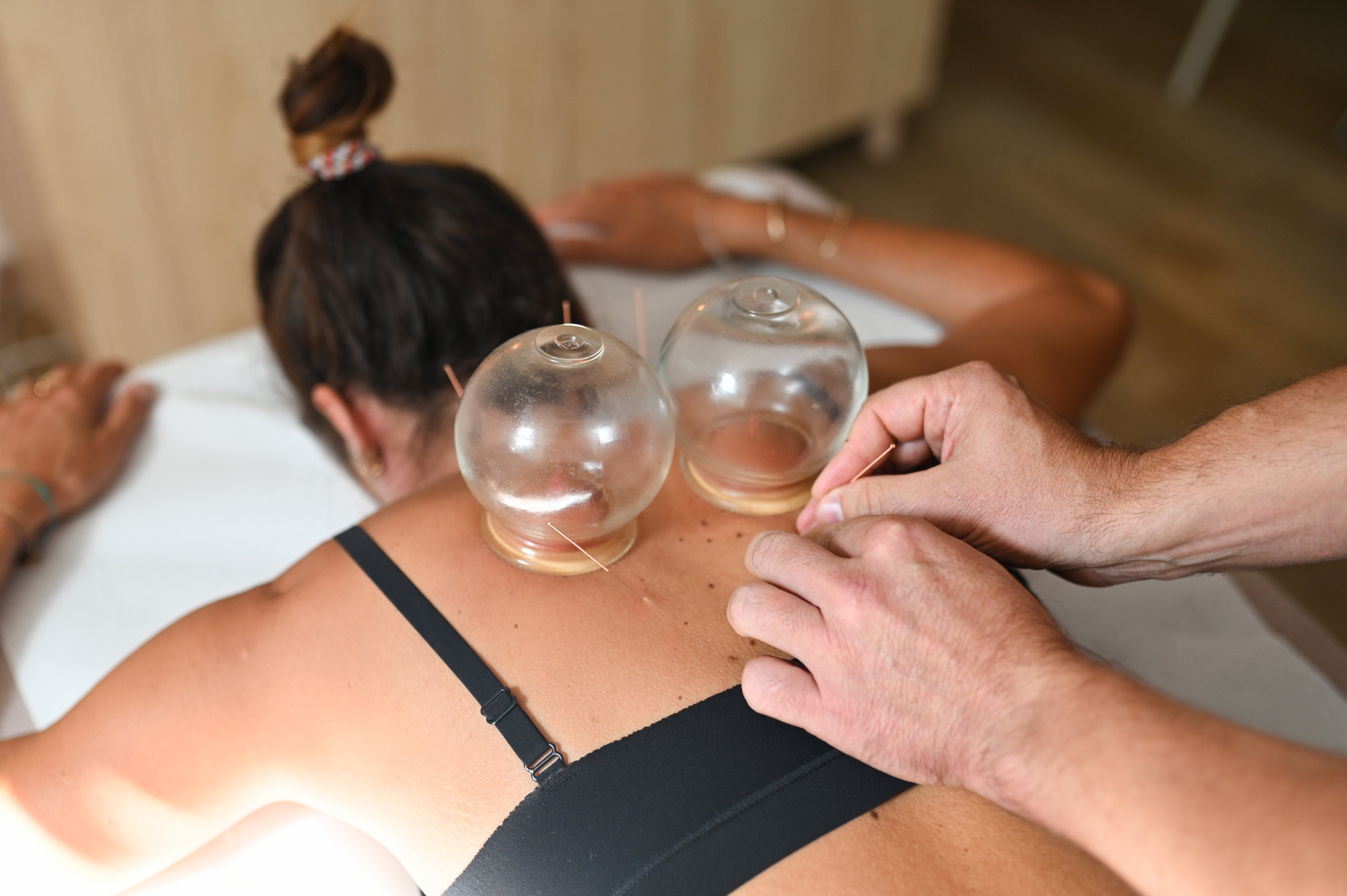
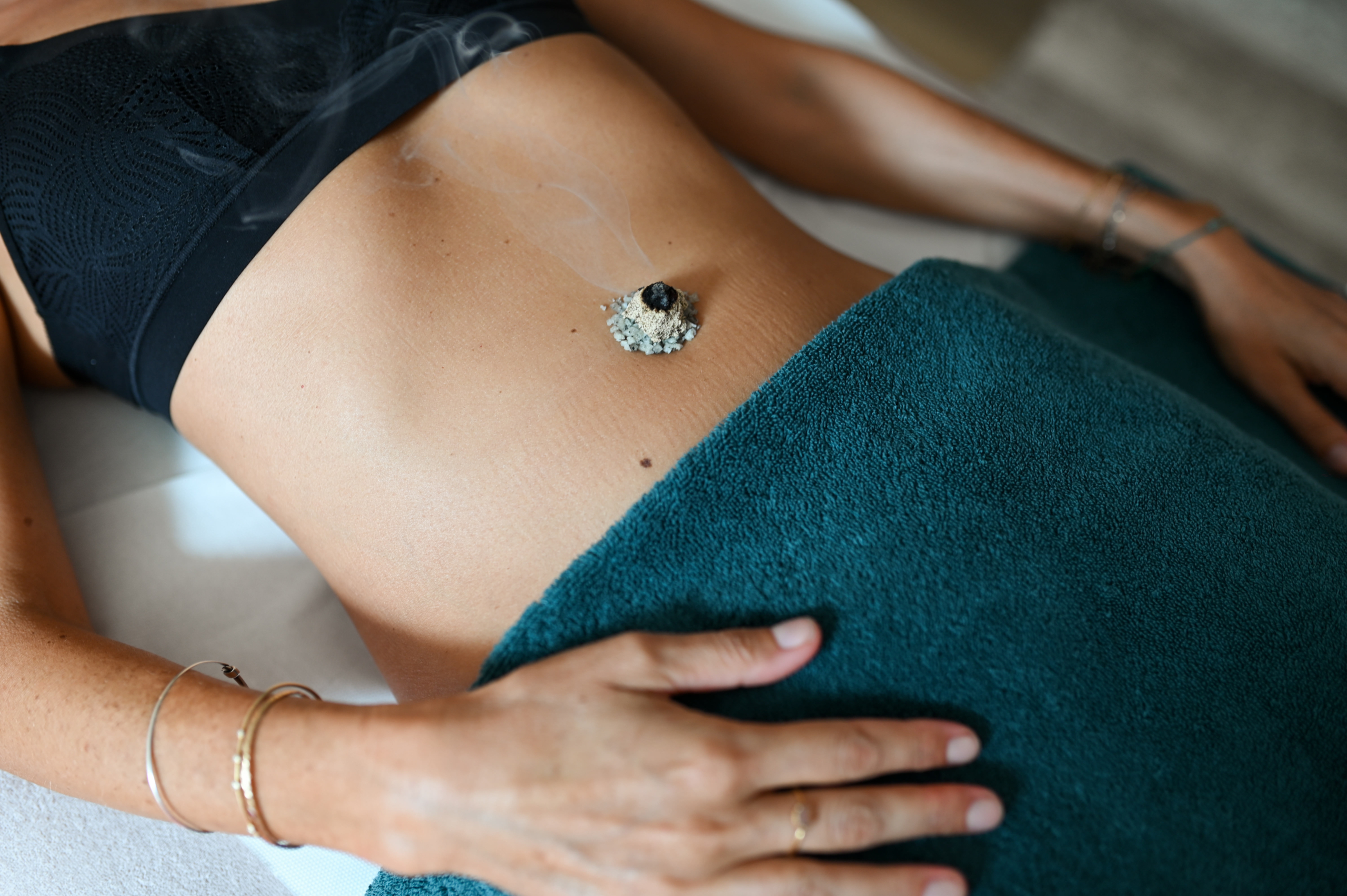
Monika uses a holistic approach that combines various techniques from traditional Chinese medicine:
- Acupuncture
- Acupressure
- Moxibustion
- Suction cups
A rest period is included during the session to allow your body to gently absorb the treatment. We may also offer personalized advice to help you maintain balance in your daily life (lifestyle, stress management, diet, sleep, etc.).
Each session lasts 1 hour, and the frequency of appointments is tailored to your specific needs, your pace, and your goals.
Monika’s approach is gentle, caring, and woman-centered, taking into account physical, hormonal, and emotional factors.

The Benefits of Acupuncture for Women's Health
Acupuncture provides women with natural, holistic support to help them achieve greater physical, hormonal, and emotional balance in their daily lives.
In particular, it can help with:
- Regulate hormonal imbalances and irregular cycles
- Relieve menstrual pain and cycle-related discomfort
- Relieving the symptoms of endometriosis
- Reduce hot flashes and menopause-related symptoms
- Supporting natural fertility and pregnancy plans
- Supporting assisted reproductive technology (ART)/IVF treatments in addition to medical care
- Supporting new mothers after childbirth
- Reduce stress, anxiety, and emotional strain
- Promote deeper, more restful sleep
- Find more energy, peace of mind, and vitality in your daily life
Each support program is tailored to meet the specific needs and pace of each woman.
At Clinique Naturelle, we also offer Aculifting, a cosmetic acupuncture technique that combines facial care with holistic rebalancing of the body. This natural approach aims to enhance the skin’s radiance, reduce the signs of aging, and promote overall well-being.
Your treatment at a glance
Rates
| Session | Duration | Rates |
|---|---|---|
| One session | 1h | CHF 160 |
| 5-Session Pass* | 5 x 1 hour | CHF 750 |
| 10-Session Pass* | 10 x 1 hour | CHF 1400 |
*Our subscriptions are valid for 1 year
Are the sessions covered by supplemental insurance?
Some supplemental insurance plans may cover part of the cost of sessions. However, coverage depends on your policy, the type of therapy you receive, and the therapist you choose.
Before your first appointment, we recommend that you contact your insurance provider directly and provide them with the following information:
- the therapist's name;
- the therapy in question.
The therapists at La Clinique Naturelle hold professional accreditations that vary depending on their specialty, including accreditation fromASCA and/or RME. However, these accreditations do not automatically guarantee reimbursement for sessions: only your insurance provider can confirm the exact terms of your coverage.
FAQ – Acupuncture and Women's Health Issues
Acupuncture does not treat endometriosis itself, but it can help relieve certain associated symptoms, including pelvic pain, painful periods, and stress related to the condition. It is often incorporated into a comprehensive treatment plan, alongside medical care, to improve daily quality of life.
Yes, acupuncture is often used to relieve menstrual pain. It can help reduce the intensity of cramps, promote better energy flow, and improve comfort during menstruation.
Each treatment plan is personalized. The first session includes a comprehensive energy assessment to help determine a tailored treatment plan. The duration of treatment varies depending on your energy levels, overall health, and goals, with ongoing adjustments as needed.
Yes, acupuncture can help regulate hormonal imbalances associated with menopause.
Yes, it can support natural fertility and optimize conditions during assisted reproductive technology (ART) or in vitro fertilization (IVF) treatments.
Yes, it can help reduce pain and improve quality of life.

Sources and Information
Sources and Medical Information
The information on this page is provided for informational purposes only and is not a substitute for medical advice.
Sources consulted:
- World Health Organization (WHO) – WHO Benchmarks for the Practice of Acupuncture
A set of guidelines on the conditions of practice, procedures, and safety of acupuncture.
View source – WHO - Cochrane – Acupuncture for Menstrual Pain
A review of the scientific evidence regarding acupuncture and acupressure for primary dysmenorrhea; the available evidence is judged to be of low or very low quality and does not allow for definitive conclusions.
View source – Cochrane - ESHRE – Guideline on Unexplained Infertility
European recommendations on unexplained infertility. The evidence regarding acupuncture in this context is considered limited and of low quality, which justifies our cautious wording regarding fertility and assisted reproductive technology (ART).
View the recommendation – ESHRE - Cochrane – Acupuncture for menopausal hot flashes
A review focusing on acupuncture and menopausal hot flashes. The results differ, in particular, depending on whether acupuncture is compared to no intervention or to sham acupuncture, with data quality ranging from low to very low.
View the source – Cochrane
Last update to this page: August 28, 2026
Further information
Educational articles written by our therapists to help you better understand this topic and answer the most frequently asked questions:
- Acupuncture and Pregnancy – How Acupuncture Can Be Part of Prenatal and Postpartum Care.
Read the article “Acupuncture and Pregnancy” - Perimenopause Treatment: Understanding and Relieving Symptoms with Traditional Chinese Medicine – An article dedicated to perimenopause and the Traditional Chinese Medicine approach during this transitional period.
Read the article on perimenopause and TCM
Do you have a question?
OR