
Lorsque les mots ne suffisent pas toujours, la création peut ouvrir un autre chemin pour exprimer, transformer et mettre en mouvement ce qui est vécu.
L’art-thérapie à la Clinique Naturelle
✔ Art-thérapie intermédiale, utilisant plusieurs formes d’expression artistique au cours du processus thérapeutique
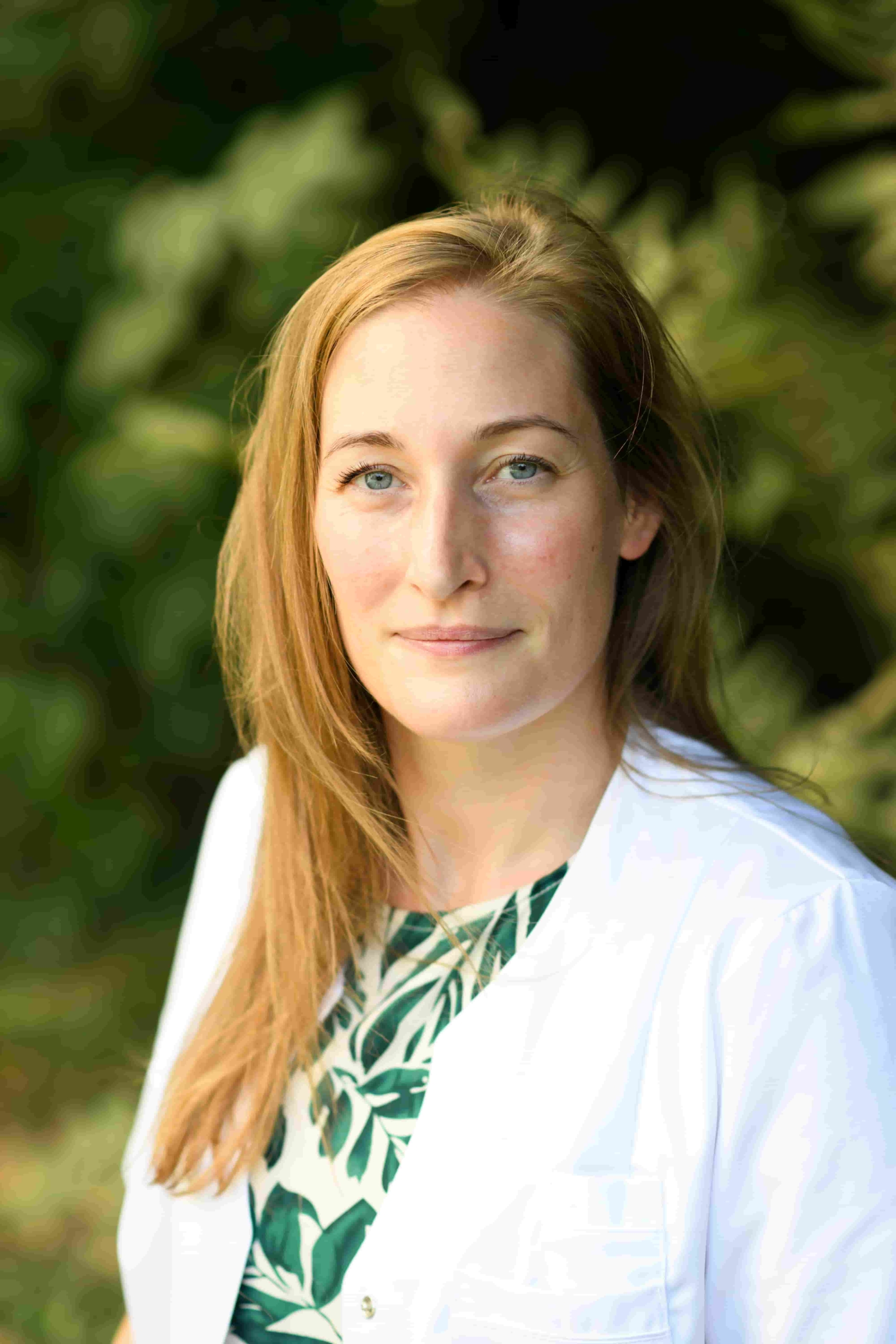
✔ Accompagnement par Nathalie Maurer, art-thérapeute diplômée fédérale, agréée ASCA et RME
✔ Une approche destinée aux enfants, adolescents et adultes, sans compétence artistique nécessaire
✔ Un cadre thérapeutique permettant de travailler à partir des émotions, du corps, de l’imaginaire, des ressources et de ce qui émerge au cours de la création
Qu’est-ce que l’art-thérapie ?
L’art-thérapie est une approche thérapeutique qui utilise le processus de création comme moyen d’exploration et de transformation.
L’objectif n’est donc ni de réaliser une belle œuvre, ni d’apprendre une technique artistique.
La personne est invitée à créer à partir de différents matériaux et formes d’expression. Ce qui se passe pendant la création — les choix, les hésitations, les sensations, les associations, les mouvements, les formes qui apparaissent — peut devenir matière au travail thérapeutique.
La création introduit ainsi un élément supplémentaire entre la personne et le thérapeute. Il n’est plus nécessaire de parler directement de tout ce qui est vécu : certaines choses peuvent d’abord prendre une forme, une couleur, un mouvement, un récit ou un son.
Et aucune connaissance artistique n’est nécessaire.


Ce qui fait la force de notre accompagnement en art-thérapie à La Clinique Naturelle ?
Your treatment at a glance


Rates
| Session | Duration | Rates |
|---|---|---|
| First session | 1 session lasting 1 hour and 30 minutes | CHF 170 |
| A session | 1 session lasting 1 hour | CHF 150 |
| 5-Session Pass | 1 session (1.5 hours) + 4 sessions (1 hour) | CHF 720 |
| 10-Session Pass | 1 session (1.5 hours) + 9 sessions (1 hour) | CHF 1320 |
| 5-Session Follow-Up Package | 5 sessions (1 hour) | CHF 700 |
| 10-Session Follow-Up Package | 10 sessions (1 hour) | CHF 1300 |
*Our subscriptions are valid for 1 year
Are the sessions covered by supplemental insurance?
Some supplemental insurance plans may cover part of the cost of sessions. However, coverage depends on your policy, the type of therapy you receive, and the therapist you choose.
Before your first appointment, we recommend that you contact your insurance provider directly and provide them with the following information:
- the therapist's name;
- the therapy in question.
The therapists at La Clinique Naturelle hold professional accreditations that vary depending on their specialty, including accreditation fromASCA and/or RME. However, these accreditations do not automatically guarantee reimbursement for sessions: only your insurance provider can confirm the exact terms of your coverage.
Do you have a question?
OR
Further information
Sources and Medical Information
The information on this page is provided for informational purposes only and is not a substitute for medical advice.
Barnish MS, Nelson-Horne RV – BMJ Open (2023)
Group-based active artistic interventions for adults with primary anxiety and depression: a systematic review.
Revue systématique consacrée aux interventions artistiques auprès d’adultes présentant des troubles anxieux ou dépressifs.
https://pubmed.ncbi.nlm.nih.gov/37380205/
Zhang B et al. – Clinics (2025)
The effect of the art therapy interventions to alleviate depression symptoms among children and adolescents: a systematic review and meta-analysis.
Méta-analyse montrant des résultats encourageants sur la réduction des symptômes dépressifs chez les enfants et adolescents, malgré certaines limites méthodologiques.
https://pubmed.ncbi.nlm.nih.gov/40367574/
Versitano S et al. – Australian & New Zealand Journal of Psychiatry (2025)
Art therapy with children and adolescents experiencing acute or severe mental health conditions: A systematic review.
Revue systématique portant sur l’art-thérapie chez les jeunes présentant des difficultés psychiques importantes, notamment les symptômes post-traumatiques et dépressifs.
https://pubmed.ncbi.nlm.nih.gov/40916845/
Zhang B et al. – Clinics (2024)
The effects of art therapy interventions on anxiety in children and adolescents: A meta-analysis.
Méta-analyse de six études portant sur les effets des interventions d’art-thérapie sur les symptômes anxieux chez les enfants et adolescents.
https://pmc.ncbi.nlm.nih.gov/articles/PMC11260852/
OdA ARTECURA – Organisation du monde du travail Art-thérapie, Suisse
Profil professionnel et compétences des art-thérapeutes avec diplôme fédéral.
Référentiel suisse présentant notamment les compétences en thérapie intermédiale, l’utilisation de différentes formes artistiques et le principe du décentrement.
https://www.artecura.ch/_tmc_daten/File/WL_HFP_2020_F.pdf
Dernière mise à jour de la page : 09.10.2026