Microkinesitherapy in Geneva

Microkinesitherapy in GenevaOctober 12, 2026, 12:26:26 PM +02:00


A gentle manual therapy to address physical and emotional tension, taking the body’s history into account.

Microkinetic Therapy at the Clinique Naturelle 

✓ A gentle manual technique based on micro-palpations and light physical stimulation.

✓ Support for physical and emotional tension, particularly after periods of stress, injuries, or difficult events.

✓ An approach tailored to adults, children, and athletes, with techniques that take into account each person’s age and sensitivity.

✓ A complementary therapy that can be integrated into a treatment plan alongside conventional medicine.
Our microkinesitherapy therapist

thibaud

ASCA-certified therapist

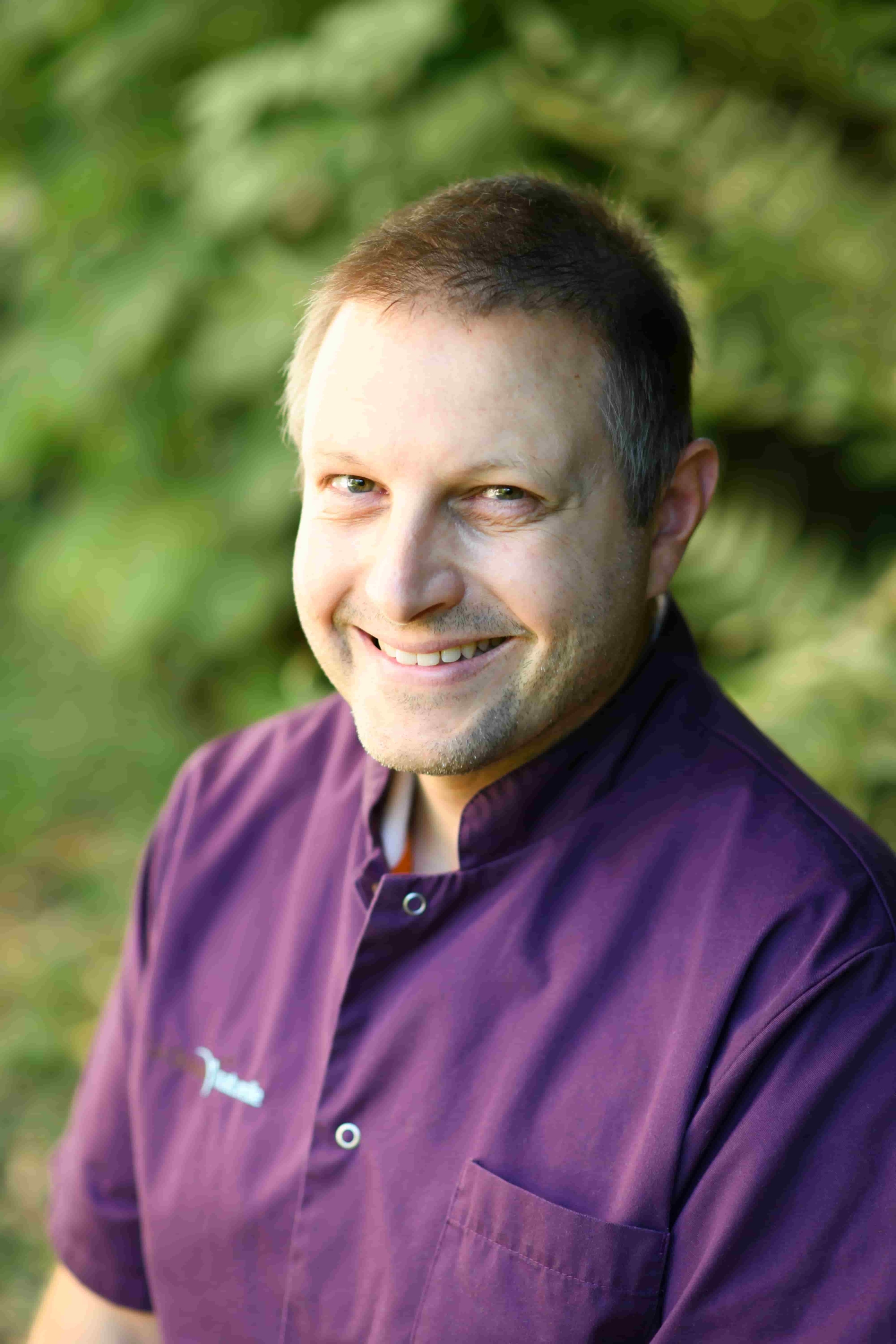
He practices microkinesitherapy with adults, children, and athletes. His treatment approach is based on a light and precise touch, tailored to the reason for the consultation.

Why seek treatment with microkinesitherapy?

douleurs chroniques

Physical Pain and Tension

Microkinesitherapy may be considered in cases of muscle tension, stiffness, or persistent pain, particularly following physical exertion, a previous injury, or a period of intense physical activity.

It offers a gentle form of bodywork that differs from deep-tissue massage techniques.

anxiété

Stress and Emotional Events

Periods of intense stress or certain difficult events can be accompanied by physical symptoms: muscle tension, nervousness, fatigue, or difficulty relaxing.

Microkinetic therapy offers a physical approach to stress-related tension, without requiring patients to recount their experiences in detail.

fatigue

Sleep and Fatigue

Sleep disturbances and fatigue can be associated with physical or emotional stress.

Microkinesitherapy can be considered as a complementary treatment to promote physical relaxation, without replacing efforts to identify the causes of fatigue or persistent sleep disorders.

grossesse et PMA

Pregnancy and the Postpartum Period

Pregnancy and the postpartum period are accompanied by many physical changes.

Microkinetic therapy may be recommended to help alleviate certain physical and emotional tensions associated with this period, using appropriate techniques and provided there are no medical contraindications.

Children and Infants

Microkinetic therapy is also offered to children, including infants, particularly when parents are looking for gentle physical support to address difficulties with relaxation, sleep, or tension.

The interventions are tailored to the child’s age and sensitivity. Digestive, developmental, or behavioral disorders require an appropriate medical evaluation.

Learn more about microkinesitherapy for children.

douleur

Athletes and Physical Recovery

Among athletes, microkinesitherapy is used in particular to address physical tension associated with training, competitions, or past injuries.

It can be incorporated into a program focused on recovery and physical well-being, as a complement to standard preventive measures, physical therapy, and rehabilitation.

What is microkinesitherapy?

Microkinetic therapy is a manual technique developed in the 1980s by two French physical therapists, Daniel Grosjean and Patrice Benini.

It is based on the idea that certain physical, emotional, or environmental events can leave traces in the body’s tissues, known as tissue memories.

According to the principles of this method, when the body’s natural defense mechanisms are insufficient to overcome certain stressors, these traces may contribute to the development of tension or imbalances.

The therapist uses a specific technique called micropalpation to identify areas that, according to this approach, exhibit restrictions in tissue mobility.

He then applies gentle manual stimulation designed to promote the body's self-regulatory mechanisms.

Microkinetic therapy is thus based on four principles:

  • The body's natural ability to adapt and heal itself.

  • Tissue memory, the concept that certain events may leave a physical imprint.

  • Micropalpation, used to identify areas of restriction.

  • Tissue re-education, which refers to manual stimulation performed by the practitioner.

These concepts describe the foundations of the method. However, the specific mechanisms of tissue memory and re-information remain hypotheses that have not been scientifically established.

Microkinetic Therapy: A Complementary Therapy

Microkinetic therapy is part of a complementary therapy approach, used alongside conventional medicine.
It may be considered to help address certain physical tensions or difficulties, as a complement to other treatments when appropriate. It does not replace a medical diagnosis, treatment, or rehabilitation when these are necessary.

What happens during a microkinesitherapy session?

The session begins with a conversation with Thibaud Laglaine to understand why you’re seeking counseling, your medical history, and any physical or emotional events you’d like to discuss.

You then lie down on a treatment table, usually fully clothed. The therapist performs light, subtle palpations on various areas of the body to identify tissue restrictions according to the principles of the method.

He then performs gentle manual stimulation, without any sudden movements or deep muscle pressure.

For children, the position and procedure are tailored to their age and comfort level. Parents may bring a toy or a familiar object to help them feel at ease.

A session lasts between 30 minutes and 1 hour. The number of sessions and the time between them depend on the reason for the consultation and the progress you feel you are making.

microkine

When should you see a doctor?

A medical consultation is recommended, particularly in the following cases:

  • severe, persistent, or unexplained pain;

  • a recent injury, a suspected fracture, or significant trauma;

  • a loss of strength, sensation, or neurological problems;

  • unusual fatigue or persistent sleep problems;

  • recurring digestive, respiratory, or gynecological symptoms;

  • persistent sleep, eating, or developmental problems in a child.

Pain accompanied by sudden neurological weakness, difficulty breathing, or other serious acute symptoms requires urgent medical attention.

What makes our microkinesitherapy treatment at La Clinique Naturelle so effective?

A therapist with extensive experience in physical therapy and manual therapies

Thibaud Laglaine holds a master’s degree in physical therapy and rehabilitation, as well as certifications in microphysical therapy and manual sports therapy. He has worked with Standard Liège and tennis player Justine Henin, among others, before teaching therapeutic massage in Geneva. This background has given him an in-depth understanding of the body and movement.

A multidisciplinary team at your service

Clinique Naturelle brings together therapists from various disciplines, including naturopathy, acupuncture, therapeutic massage, sophrology, and psychology, among others. This interdisciplinary approach allows us to explore other treatment options or refer patients to a team member when appropriate.

A gentle practice, tailored to each individual

Microkinetic therapy is based on gentle, precise palpation, without any abrupt manipulation. Thibaud tailors his approach to adults, children, infants, and athletes, taking into account each patient’s reason for seeking treatment and medical history.

A complementary approach to conventional medicine

Microkinetic therapy is designed to complement medical care. Any ongoing treatments, tests, or follow-up care are taken into account, and a referral to a physician is recommended when symptoms warrant it.

Your treatment at a glance

massage

What happens during your microkinesitherapy session?

Procedure and Duration
A session lasting 30 minutes to 1 hour, including an initial discussion, micro-palpations, and gentle manual stimulation.

How often should you plan to do this?

Sessions are generally spaced out. The number of sessions depends on the reason for the consultation and the progress observed.

Rates

Session Duration Rates
One session 30 min – 1 hr CHF 155

*Our subscriptions are valid for 1 year

Are the sessions covered by supplemental insurance?

Some supplemental insurance plans may cover part of the cost of sessions. However, coverage depends on your policy, the type of therapy you receive, and the therapist you choose.

Before your first appointment, we recommend that you contact your insurance provider directly and provide them with the following information:

  • the therapist's name;
  • the therapy in question.

The therapists at La Clinique Naturelle hold professional accreditations that vary depending on their specialty, including accreditation fromASCA and/or RME. However, these accreditations do not automatically guarantee reimbursement for sessions: only your insurance provider can confirm the exact terms of your coverage.

FAQ – Microkinesitherapy

What is the difference between microkinesitherapy and therapeutic massage?October 8, 2026, 12:43:05 PM +02:00

Therapeutic massage works directly on the muscles and tissues using various pressure, mobilization, and relaxation techniques, particularly to help relieve pain, muscle tension, and stiffness.

Microkinetic therapy uses much gentler palpation to identify, according to the principles of the method, the traces left in the tissues by physical or emotional events. The therapist then applies small manual stimulations designed to support the body’s natural regulatory mechanisms.

The two approaches therefore differ in their techniques, principles, and objectives, even though both can be considered in the treatment of physical tension.

Are there any contraindications for microkinesitherapy?October 8, 2026, 12:41:57 PM +02:00

The method involves gentle movements, but certain situations require caution: fever, acute infection, recent trauma, fracture, or unexplained pain. A medical evaluation may be necessary before the session. Any restrictions should be discussed with the therapist.

Can you feel any effects after a microkinesitherapy session?October 8, 2026, 12:41:26 PM +02:00

Experiences vary from person to person. Some patients report a feeling of relaxation or an improvement in their physical comfort, while others do not notice any particular change. No specific results or timeframe for improvement can be guaranteed.

Can microkinesitherapy and physical therapy be combined?October 8, 2026, 12:40:57 PM +02:00

Yes, the two approaches can be considered complementary. Physical therapy remains an important part of rehabilitation, particularly after an injury or surgery. It is best to inform the relevant professionals about the various treatment plans you are following.

Can you receive microkinesitherapy treatment without having identified a specific injury?October 8, 2026, 12:40:23 PM +02:00

Yes. You don’t need to have experienced a specific trauma to seek counseling. Some people consider this approach when they experience physical tension, stress, or difficulty relaxing—even if they can’t link these feelings to a specific event.

Can microkinesitherapy help after an emotional shock?October 8, 2026, 12:39:50 PM +02:00

Microkinetic therapy is sometimes used after emotionally difficult experiences, particularly when these are accompanied by physical tension or difficulty relaxing. It offers a hands-on approach that does not require the patient to verbalize the experience. However, its effectiveness in addressing the consequences of psychological trauma has not been established, and it is not a substitute for psychological counseling when such support is needed.

What is the difference between microkinesitherapy and osteopathy?October 8, 2026, 12:39:18 PM +02:00

Microkinetic therapy uses micro-palpation and gentle stimulation based on the principles of tissue memory and re-education. Osteopathy relies on various manual techniques designed to assess and treat certain functional disorders, particularly musculoskeletal ones. The techniques and underlying principles of the two approaches differ.

Do you have a question?

Contact our front desk
Are you unsure about a therapy?
Would you like to know how a session works, find out about rates and reimbursement from supplemental insurance, or get information about your treatment plan?
Our therapy coordinators are available Monday through Friday to answer your questions and provide guidance.

OR

Would you like to be referred to the most appropriate therapy?
Free Career Assessment – 30 minutes
Are you dealing with a specific issue, or are you unsure which approach to take?
Take advantage of a free consultation with Marie-Anne Geiser, naturopath and founder of La Clinique Naturelle.
This consultation allows us to assess your situation, answer your questions, and, if necessary, develop a personalized treatment plan by referring you to the therapy or therapies best suited to your needs.

How to find us

20 Rue Jean-Sénebier in Geneva, between Plainpalais and the Old Town, near the HUG and Bastions Park.

Further information

Sources and Medical Information

The information on this page is provided for informational purposes only and is not a substitute for medical advice.

– Grosjean D., Benini P., Carayon P. – Journal of Complementary and Integrative Medicine (2017)
Managing irritable bowel syndrome: The impact of micro-physiotherapy.
A randomized, double-blind clinical trial involving 61 patients with irritable bowel syndrome. The results are encouraging but need to be confirmed by larger-scale studies.

– NICE – National Institute for Health and Care Excellence
Low back pain and sciatica in people over 16: assessment and management (NG59).
Recommendations on the assessment of low back pain and the role of manual therapies in comprehensive care. These recommendations do not specifically address microkinesitherapy.

Last update to this page: October 8, 2026

Our Articles

Educational articles written by our therapists to help you better understand this topic and answer the most frequently asked questions:

Go to top