Moxibustion in Geneva

Moxibustion in GenevaOctober 6, 2026, 12:44:27 PM +02:00

Gentle warmth to boost your energy. 

Moxibustion is a technique in traditional Chinese medicine (TCM) that uses the heat produced by burning moxa—traditionally made from dried mugwort—to warm specific points or areas of the body.

At La Clinique Naturelle in Geneva, moxibustion is generally part of a more holistic approach to traditional Chinese medicine. It is most often used in conjunction with acupuncture, when the therapist’s assessment indicates that the application of heat may be beneficial.

Its use is therefore tailored to each individual based on the reason for the consultation, the Traditional Chinese Medicine assessment, and the specific needs of each person.
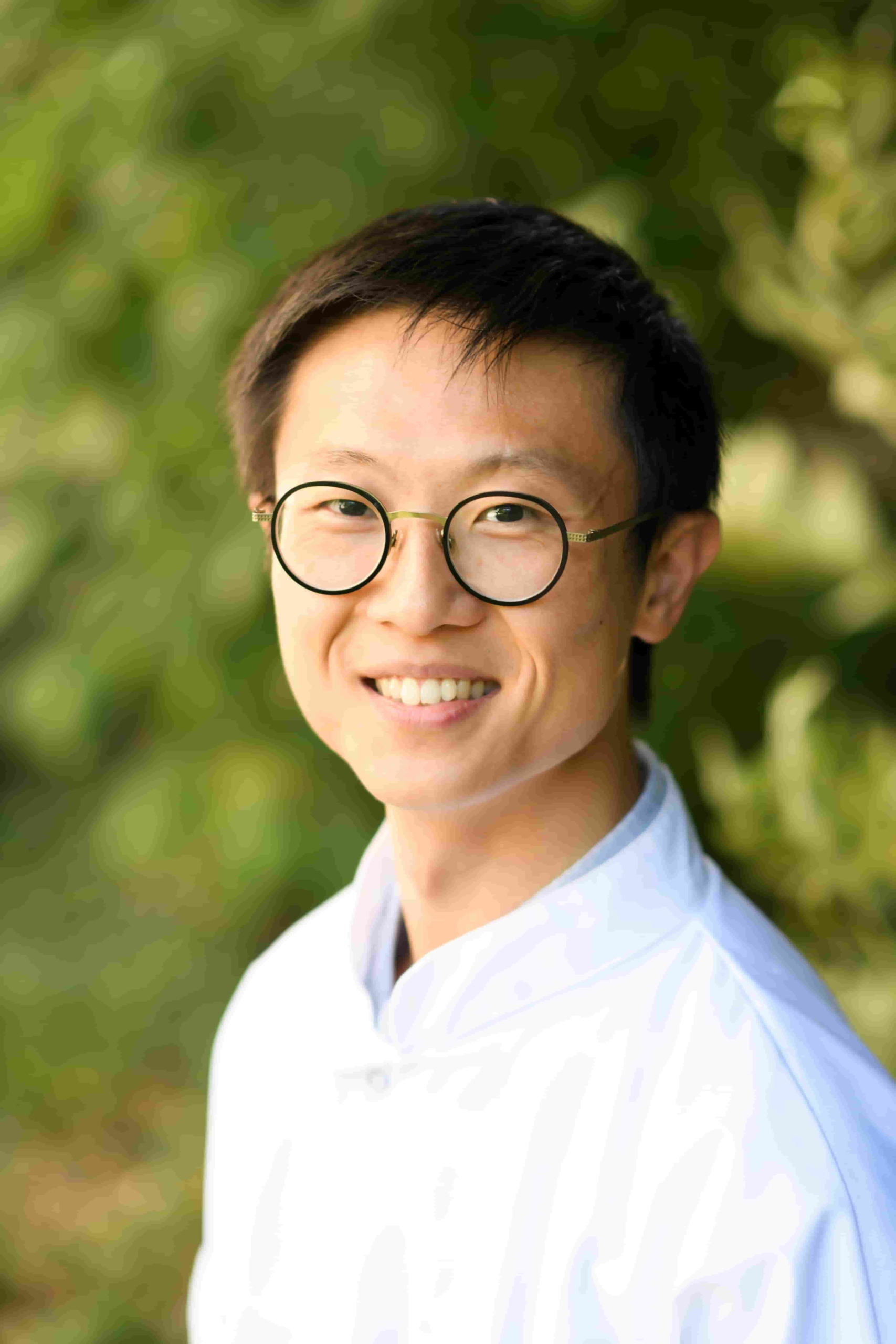
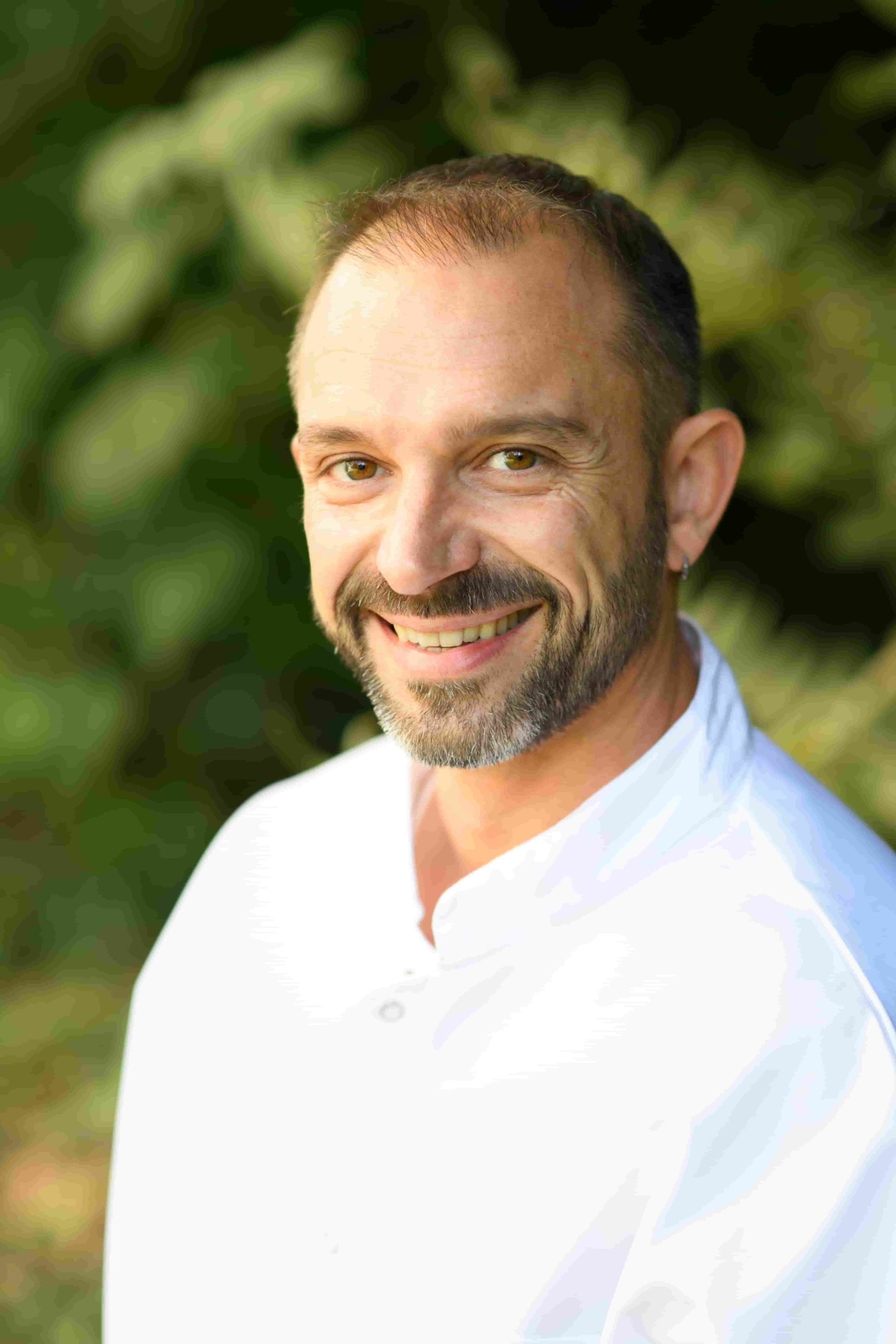
Our therapists who perform moxibustion

eric

Traditional Chinese Medicine Therapist – ASCA- and RME-certified

Holder of the OrTra MA Industry Certificate

mickael

Traditional Chinese Medicine Therapist – ASCA- and RME-certified

Holder of the OrTra MA Industry Certificate

monika

Acupuncture Therapist – ASCA- and RME-certified

Women's health

What is moxibustion?

Moxibustion is one of the techniques traditionally used in Chinese medicine.

It involves the use of moxa, which is typically made from dried mugwort (Artemisia argyi or related species), the burning of which produces heat.

The therapist may hold a moxa stick near certain acupuncture points or areas of the body, without necessarily touching the skin. There are also other moxibustion techniques.

In traditional Chinese medicine, moxibustion is used in particular when the therapeutic strategy calls for the application of heat.

How is moxibustion used in Chinese medicine?

Moxibustion is generally not recommended based solely on a single symptom.

The therapist first conducts a Traditional Chinese Medicine assessment that takes into account the reason for the visit, its progression, and any associated symptoms, as well as various aspects of the patient’s overall well-being, including sleep, digestion, energy levels, and sensations of heat or cold.

Based on this assessment, he determines whether moxibustion can be incorporated into the session.

It can be used on its own from time to time, but it is often combined with acupuncture or other techniques of traditional Chinese medicine.

In what situations can moxibustion be recommended?

Therapists can incorporate moxibustion into traditional Chinese medicine treatment in a variety of situations.
Digestive system

Bloating, constipation, digestive discomfort, bowel irregularities, and a sensation of cold in the abdomen.

problème gyneco

Women's health

Menstrual pain, cycle-related discomfort, and, in certain specific situations, support during pregnancy.

douleurs musculaire articulaire

Musculoskeletal system

Lower back pain, neck pain, muscle tension, joint pain

.

migraine

Fatigue and General Well-BeingFatigue and General Well-Being

Fatigue, feeling cold, lack of energy, or decreased vitality.

Other Issues

According to traditional Chinese medicine, moxibustion can also be used in other situations when the practitioner determines that applying heat to certain points or areas is appropriate.

Moxibustion: One of the Various Practices of Traditional Chinese Medicine

Moxibustion is very often combined with acupuncture, in which heat is applied to specific acupuncture points or areas of the body.

During the consultation, the therapist begins by conducting a Traditional Chinese Medicine assessment. The therapist focuses on the reason for the consultation, its progression, and any other associated symptoms, as well as the person’s overall health—including sleep, digestion, and energy levels—and any treatments or medications the person is already taking.

Based on this assessment, and depending on the situation and the client's background, the therapist determines which techniques seem most appropriate.

Care may therefore involve:

  • acupuncture, which involves stimulating specific points using fine needles;
  • the Chinese pharmacopoeia, when a formula to be taken between appointments is appropriate;
  • Tui Na, which uses various manual, pressure, and mobilization techniques;
  • moxibustion, which traditionally uses the heat produced by burning moxa;
  • suction cups, which create localized suction on the skin;
  • auriculotherapy, which involves stimulating certain points on the outer ear.

These techniques are not always used together. The therapist chooses the tools he or she considers most appropriate for your situation, based on his or her training and your preferences.

What happens during a session that includes moxibustion?

1. A Traditional Chinese Medicine Evaluation

The session begins with a discussion that allows the therapist to understand the reason for the consultation, its progression, and any associated symptoms.

He supplements this discussion with elements from traditional Chinese medicine to determine the techniques and areas that need work.

2. The Use of Moxibustion

When moxibustion is indicated, the therapist uses moxa to apply heat to specific points or areas of the body.

When using a moxa stick, the therapist holds it at a distance from the skin and moves it back and forth to create a gradual, comfortable sensation of warmth without burning the skin.

3. A technique often associated with acupuncture

Moxibustion can be used during part of a session and combined with acupuncture or other techniques of traditional Chinese medicine.

The combination of techniques is tailored to each session based on the therapist's assessment.

moxibustionhydrology

What precautions should be taken with moxibustion?

Because it involves the use of a heat source, moxibustion must be performed with caution.

The therapist adjusts the treatment based on the area being treated, the sensitivity of the skin, and the person's overall health.

Certain situations require special caution, particularly in cases of sensory disturbances, skin lesions, or certain medical conditions that may impair heat perception or wound healing.

Pregnancy also requires special adjustments: certain acupoints and certain applications of moxibustion are not recommended depending on the stage and circumstances of the pregnancy.

It is therefore important to inform the therapist of any pregnancy, known medical condition, ongoing treatment, or changes in skin sensitivity before the session.

Are the sessions covered by supplemental insurance?

Some supplemental insurance plans may cover part of the cost of sessions. However, coverage depends on your policy, the type of therapy you receive, and the therapist you choose.

Before your first appointment, we recommend that you contact your insurance provider directly and provide them with the following information:

  • the therapist's name;
  • the therapy in question.

The therapists at La Clinique Naturelle hold professional accreditations that vary depending on their specialty, including accreditation fromASCA and/or RME. However, these accreditations do not automatically guarantee reimbursement for sessions: only your insurance provider can confirm the exact terms of your coverage.

FAQ – Moxibustion

What is the difference between acupuncture and moxibustion?September 22, 2026, 2:52:47 PM +02:00

Acupuncture uses fine needles placed at specific points determined by a traditional Chinese medicine assessment. Moxibustion, on the other hand, uses the heat produced by burning moxa to warm certain points or areas.

The two techniques are not mutually exclusive: they are often used together during the same session.

Why is mugwort used for moxibustion?September 22, 2026, 2:53:23 PM +02:00

Moxa is traditionally made from dried and processed mugwort leaves. This plant has long been used in Chinese medicine for its ability to burn slowly and produce heat that can be directed to specific points or areas of the body.

Does moxibustion produce smoke?September 22, 2026, 2:51:15 PM +02:00

Burning traditional moxa produces smoke and a distinctive odor. There are various forms and techniques of moxibustion, allowing for flexible application.

Ifyou have asthma, respiratory sensitivity, or smoke intolerance, it is important to inform the therapist before the session.

How many moxibustion sessions are needed?September 22, 2026, 2:56:17 PM +02:00

There is no set number of sessions that applies to everyone. It depends on the reason for seeking therapy, how long the issue has persisted, the person’s response, and the other techniques used during the sessions.

After the initial assessment, the therapist may suggest a frequency for sessions and reassess the treatment plan based on the patient's progress.

Does moxibustion hurt?September 22, 2026, 2:52:00 PM +02:00

Indirect moxibustion performed with a moxa stick should not normally be painful. The patient mainly feels a gradual warmth in the treated area.

The therapist remains present and adjusts the distance of the moxa so that the sensation remains comfortable.

Do you have a question?

Contact our front desk
Are you unsure about a therapy?
Would you like to know how a session works, find out about rates and reimbursement from supplemental insurance, or get information about your treatment plan?
Our therapy coordinators are available Monday through Friday to answer your questions and provide guidance.

OR

Would you like to be referred to the most appropriate therapy?
Free Career Assessment – 30 minutes
Are you dealing with a specific issue, or are you unsure which approach to take?
Take advantage of a free consultation with Marie-Anne Geiser, naturopath and founder of La Clinique Naturelle.
This consultation allows us to assess your situation, answer your questions, and, if necessary, develop a personalized treatment plan by referring you to the therapy or therapies best suited to your needs.

How to find us

20 Rue Jean-Sénebier in Geneva, between Plainpalais and the Old Town, near the HUG and Bastions Park.

Go to top