Phytotherapy consultation in Geneva

Phytotherapy consultation in Geneva2026-10-20T12:40:04+02:00


An approach that uses plants and their extracts to help alleviate certain discomforts, taking into account your situation, your lifestyle, and any ongoing treatments you may be receiving.

Herbal Medicine at the Clinique Naturelle 

✓ A complementary approach that uses medicinal plants and their extracts, selected based on each person’s specific situation and needs.

✓ Personalized care that takes into account your symptoms, lifestyle, diet, medical history, and any medications or supplements you may be taking.

✓ An experienced therapist, Philippe Lavigne, who has worked as a pharmacy technician for over 40 years and is trained in herbal medicine, aromatherapy, nutrition, nutritional therapy, and functional medicine.

✓ Special attention is paid to precautions for use, contraindications, and possible interactions between herbs and certain medications.


Are you looking for a comprehensive approach to assess your situation?
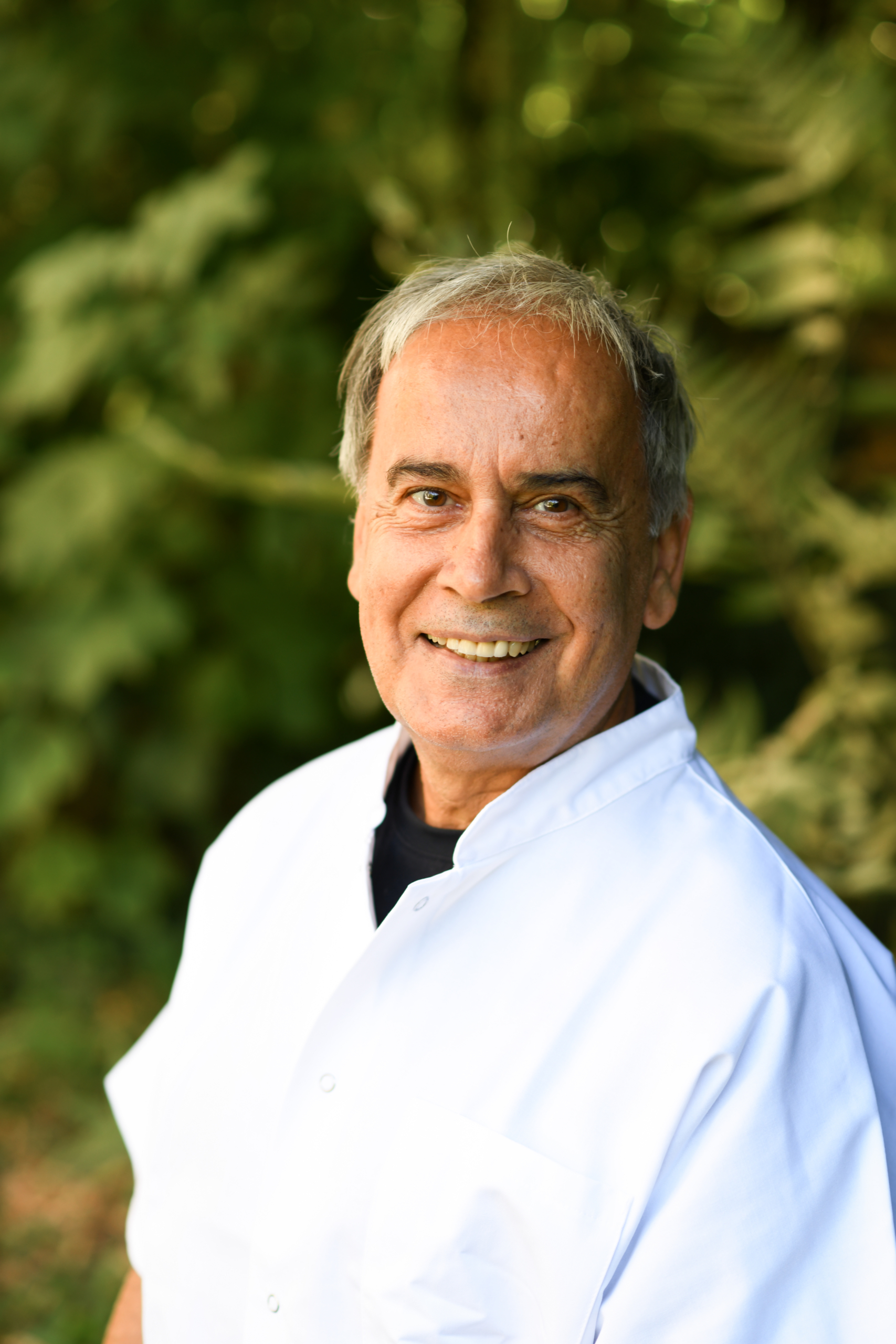
Our herbal medicine therapist

phillipe

More than 40 years of experience in the healthcare field

ASCA-certified therapist

Trained in bioresonance, herbal medicine, aromatherapy, nutrition, nutritional therapy, and functional medicine.

Why See a Herbalist?

Herbal medicine may be considered in various situations, particularly to support:

Digestion

Herbal medicine can be used to help relieve certain digestive discomforts, such as indigestion, bloating, or a feeling of heaviness.

Stress and Sleep

Certain plants are traditionally used to promote relaxation or to help with difficulty falling asleep and staying asleep.

fatigue

Fatigue and Vitality

Depending on the situation, certain plants may be recommended to help manage fatigue or during periods of recovery.

However, if you experience persistent or unexplained fatigue, you should consult a doctor to determine the cause.

douleurs musculaire articulaire

Joint Comfort and Circulation

Certain herbal preparations are used to support joint and circulatory health.

Women's health

Herbal medicine may also be considered to help alleviate certain discomforts related to the menstrual cycle or menopause.

Special caution is needed during pregnancy and breastfeeding: the use of herbal remedies should be discussed with a healthcare professional.

RHUME DES FOINS

ENT and Respiratory Discomforts

Certain plants are traditionally used to help relieve respiratory and ENT discomfort, particularly in cases of a stuffy nose, cough, or sinusitis.

Herbal medicine is used here as a complementary treatment and does not replace a medical consultation when one is necessary.

What is herbal medicine?

Phytotherapy refers to the use of medicinal plants or plant-based preparations.

Plants can be used in various forms: dry extracts, capsules, tinctures, liquid preparations, or other dosage forms.

The choice of a plant, its form, and its dosage depends, among other things, on the individual, the desired outcome, and any ongoing treatments.

Herbal medicine should therefore not be viewed as a one-size-fits-all approach: the properties, indications, level of evidence, and precautions for use vary from one plant to another.

What types of preparations and approaches can be offered?

Depending on the situation, various herbal preparations may be recommended. Philippe Lavigne may also draw on other complementary approaches as part of his practice. The choice of treatment depends on the situation, the desired outcome, and any ongoing treatments.

teintures meres

Mother tinctures are hydroalcoholic extracts of plants obtained by maceration in a mixture of water and alcohol.

gemmothérapie

Gemmotherapy primarily uses preparations made from buds and young shoots.

Extraits de plantes en gélules

Dried extracts and capsules make it possible to use certain plants in a concentrated form that is easy to dose.

What happens during a herbal medicine consultation?

A consultation lasts about 1 hour.

The first session provides an opportunity to review your request, your lifestyle, your medical history, and any medications or dietary supplements you may be taking.

Philippe Lavigne can then, when appropriate, recommend a personalized selection of plants or preparations, along with instructions for their use.

The frequency of follow-up depends on the situation and the goal of the support. Recommendations can be adjusted as consultations progress.

If you are taking any medications, be sure to bring a list of them to your appointment.

phytotherapyhydrology
phytotherapy

Herbal Medicine and Prescription Drugs: What Precautions Should Be Taken?

"Natural" does not necessarily mean "safe."

Some plants contain biologically active substances and may cause adverse effects, have contraindications, or alter the effects of certain medications.

St. John's wort, for example, is known to interact with many medications. Special caution is also required when taking certain medications, such as anticoagulants, immunosuppressants, or certain cancer treatments.

It is therefore important to tell your therapist about all the medications and dietary supplements you are taking.

Herbal medicine should not lead to the discontinuation or modification of medical treatment without the advice of the healthcare professional who prescribed it.

In certain specific situations, the frequency of sessions may be adjusted in consultation with your doctor, particularly when they are part of a comprehensive medical treatment plan.

Some people also choose to have another session when they experience a recurrence of digestive discomfort, such as bloating, a feeling of heaviness, or irregular bowel movements.

Even in the absence of any specific health issues, a colon hydroscopy can also be performed as a preventive measure. Two sessions per year are generally recommended for this purpose.

Unless otherwise specified, very frequent sessions (for example, more than one per month) are generally not necessary. The frequency of treatment is always determined in consultation with your therapist based on your situation and needs.

What does the research say about herbal medicine?

It is not possible to speak of the general effectiveness of “herbal medicine.”

Research focuses on specific plants or extracts for specific conditions, with widely varying levels of evidence.

Some plant-based substances have documented clinical data and medicinal uses, while for other preparations, the scientific data remain limited or insufficient.

The quality and composition of the preparations are also important: two products derived from the same plant may differ depending on the part of the plant used, the extraction process, the concentration, or the dosage.

Finally, leading organizations emphasize the need to consider product quality, contraindications, and possible drug interactions.

Herbal medicine can therefore be part of a complementary approach, but it does not replace a medical diagnosis or treatment when they are necessary.

ordonnance

Personalized prescriptions and reimbursement

During the consultation, Philippe Lavigne can, depending on your situation, draw up a personalized phytotherapy prescription specifying the products and dosages recommended. Coverage by your complementary health insurance is not systematic and depends on the terms of your contract.
We advise you to contact your health insurance company directly.

Rates

Session Duration Rates
One session 1h CHF 160

Are the sessions covered by supplemental insurance?

Some supplemental insurance plans may cover part of the cost of sessions. However, coverage depends on your policy, the type of therapy you receive, and the therapist you choose.

Before your first appointment, we recommend that you contact your insurance provider directly and provide them with the following information:

  • the therapist's name;
  • the therapy in question.

The therapists at La Clinique Naturelle hold professional accreditations that vary depending on their specialty, including accreditation fromASCA and/or RME. However, these accreditations do not automatically guarantee reimbursement for sessions: only your insurance provider can confirm the exact terms of your coverage.

FAQ – Herbal Medicine

Can you give a child medicinal plants?September 18, 2026, 2:58:38 PM +02:00

Some herbal preparations can be used in children, but not all herbs and not all forms are suitable for all ages. The dosage must also be adjusted accordingly.

For children, it is particularly important to avoid prolonged self-medication and to seek professional advice if symptoms are persistent, severe, or unusual.

Can herbal medicine be used during pregnancy or while breastfeeding?September 18, 2026, 2:58:02 PM +02:00

Not all plants are suitable for use during pregnancy or while breastfeeding. For some, there is insufficient data available; others are not recommended or are contraindicated during these periods.

It is therefore best to consult a healthcare professional before using any herbal remedy or herbal supplement during pregnancy or while breastfeeding.

Can herbal medicine cause side effects?September 18, 2026, 2:57:10 PM +02:00

Yes. A medicinal plant contains active ingredients and may cause side effects, have contraindications, or interact with certain medications.

The fact that a product is natural does not necessarily mean it is risk-free. The choice of plant, its form, its dosage, and the individual’s circumstances must all be taken into account.

Can you take herbal remedies at the same time as prescription medications?September 18, 2026, 2:56:30 PM +02:00

Certain plants can interact with medications, either increasing or decreasing their effects. This is particularly true for certain plants when taken with anticoagulants, cardiovascular medications, immunosuppressants, or other medications.

It is therefore important to tell your therapist about all the medications and dietary supplements you are taking. A prescribed treatment should not be stopped or changed without the advice of the healthcare professional overseeing it.

How long should you take herbal remedies?September 18, 2026, 2:59:15 PM +02:00

There is no single duration that applies to all plants. It depends , in particular , on the plant used, the preparation, the intended purpose, and the individual’s circumstances.

Some treatments are used on an as-needed basis, while others may be prescribed for a longer period with follow-up care. If there is no improvement or if symptoms persist, the situation should be reevaluated, and a doctor should be consulted when necessary.

Are herbal medicine consultations covered by supplemental insurance in Switzerland?September 18, 2026, 3:00:48 PM +02:00

Herbal medicine may be partially covered by certain supplemental insurance plans, depending on the policy and the therapist’s accreditation.

At La Clinique Naturelle in Geneva, Philippe Lavigne is ASCA-certified in herbal medicine. However, we recommend that you check with your insurance provider directly to confirm the reimbursement terms before your appointment.

Do you have a question?

Contact our front desk
Are you unsure about a therapy?
Would you like to know how a session works, find out about rates and reimbursement from supplemental insurance, or get information about your treatment plan?
Our therapy coordinators are available Monday through Friday to answer your questions and provide guidance.

OR

Would you like to be referred to the most appropriate therapy?
Free Career Assessment – 30 minutes
Are you dealing with a specific issue, or are you unsure which approach to take?
Take advantage of a free consultation with Marie-Anne Geiser, naturopath and founder of La Clinique Naturelle.
This consultation allows us to assess your situation, answer your questions, and, if necessary, develop a personalized treatment plan by referring you to the therapy or therapies best suited to your needs.

How to find us

20 Rue Jean-Sénebier in Geneva, between Plainpalais and the Old Town, near the HUG and Bastions Park.

Go to top