
Le trouble du déficit de l’attention avec ou sans hyperactivité (TDAH) est un trouble neurodéveloppemental qui peut concerner les enfants, les adolescents comme les adultes.
Difficultés de concentration, impulsivité, agitation, difficultés d’organisation ou encore gestion des émotions peuvent avoir des répercussions importantes sur le quotidien. D’autres problématiques, comme le stress, les troubles du sommeil ou la fatigue, peuvent également être présentes.
À La Clinique Naturelle à Genève, différents accompagnements complémentaires peuvent être proposés pour agir sur certaines de ces difficultés, sans se substituer au diagnostic ni au suivi médical ou psychologique du TDAH.

Our Approach at Clinique Naturelle
Every situation is different. Two people facing a similar situation may experience it very differently and may not have the same needs.
That is why we always prioritize personalized care. Depending on your situation, one or more complementary therapies may be recommended, and, when appropriate, several therapists may work together to provide you with a comprehensive care plan, always in conjunction with conventional medicine.
Quelles thérapies complémentaires pouvons nous proposer pour le TDAH à La Clinique Naturelle ?
Il n’existe pas une thérapie complémentaire unique adaptée à toutes les personnes présentant un TDAH.
L’accompagnement dépend avant tout des difficultés rencontrées, de l’âge, du contexte et des éventuels suivis déjà en place.
À La Clinique Naturelle, l’objectif n’est donc pas de remplacer la prise en charge du TDAH, mais de proposer, lorsque cela est pertinent, un accompagnement complémentaire autour de problématiques précises.
1. Favoriser un meilleur équilibre au quotidien
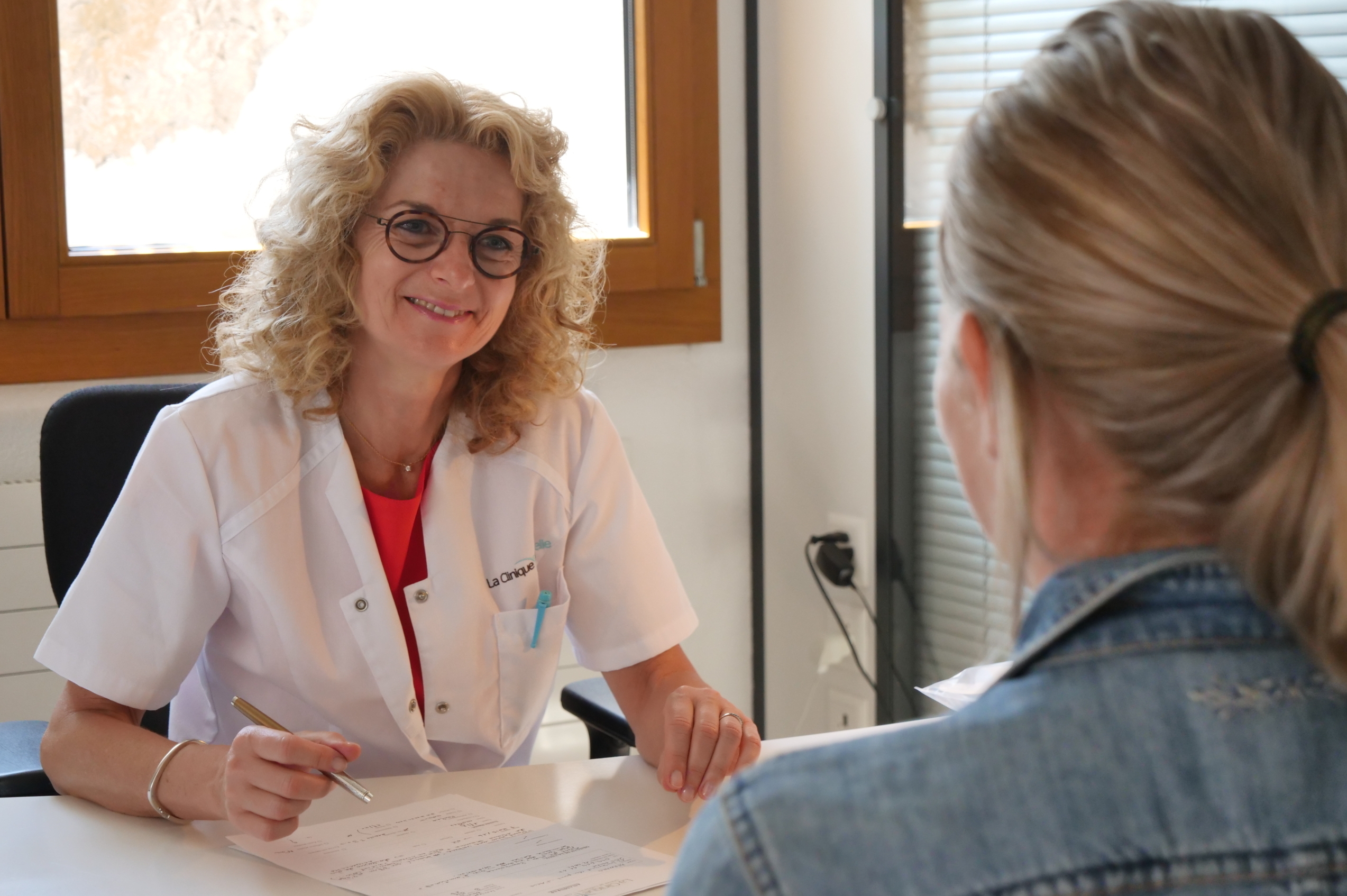
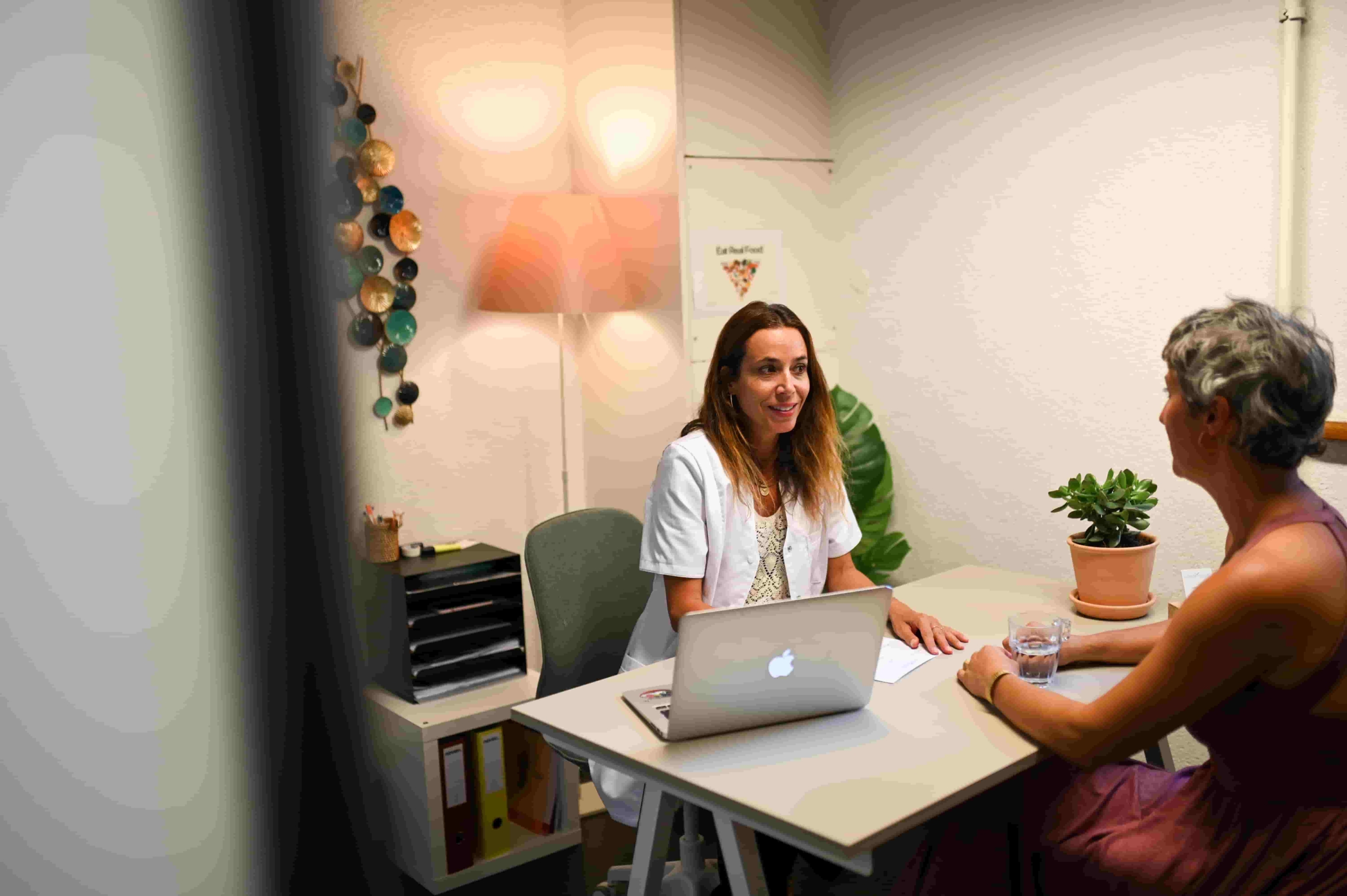
Le TDAH peut parfois s’accompagner de rythmes irréguliers, de fatigue ou de difficultés à maintenir certaines habitudes de vie. Plusieurs approches peuvent contribuer à soutenir l’équilibre général, en complément d’un suivi adapté.

2. Apaiser le mental et mieux gérer les émotions
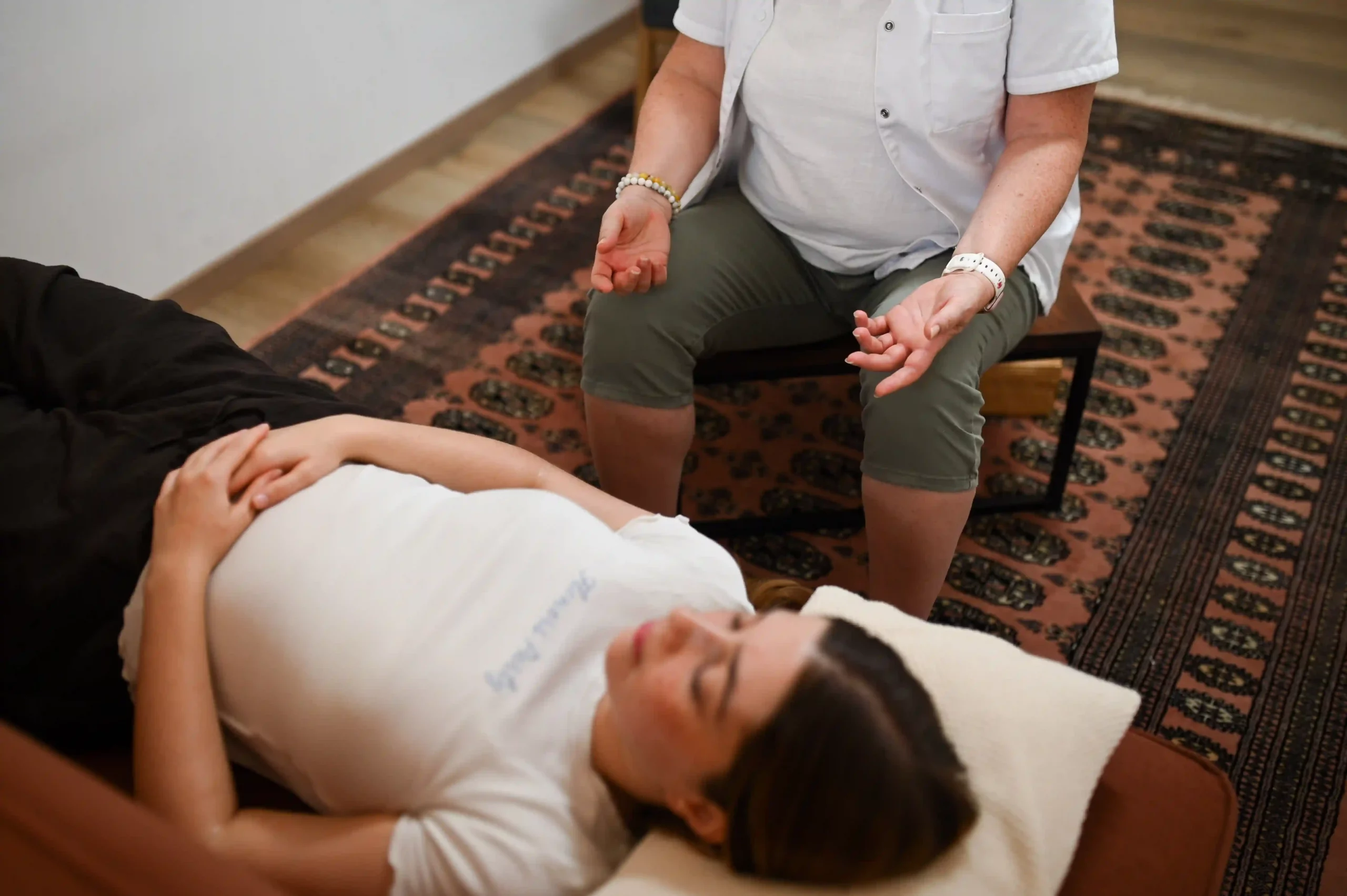
Agitation intérieure, stress, difficultés à retrouver le calme ou à gérer certaines émotions peuvent avoir un retentissement important au quotidien. Différentes approches peuvent proposer des outils pour mieux composer avec ces difficultés.

3. Favoriser la détente et le relâchement corporel
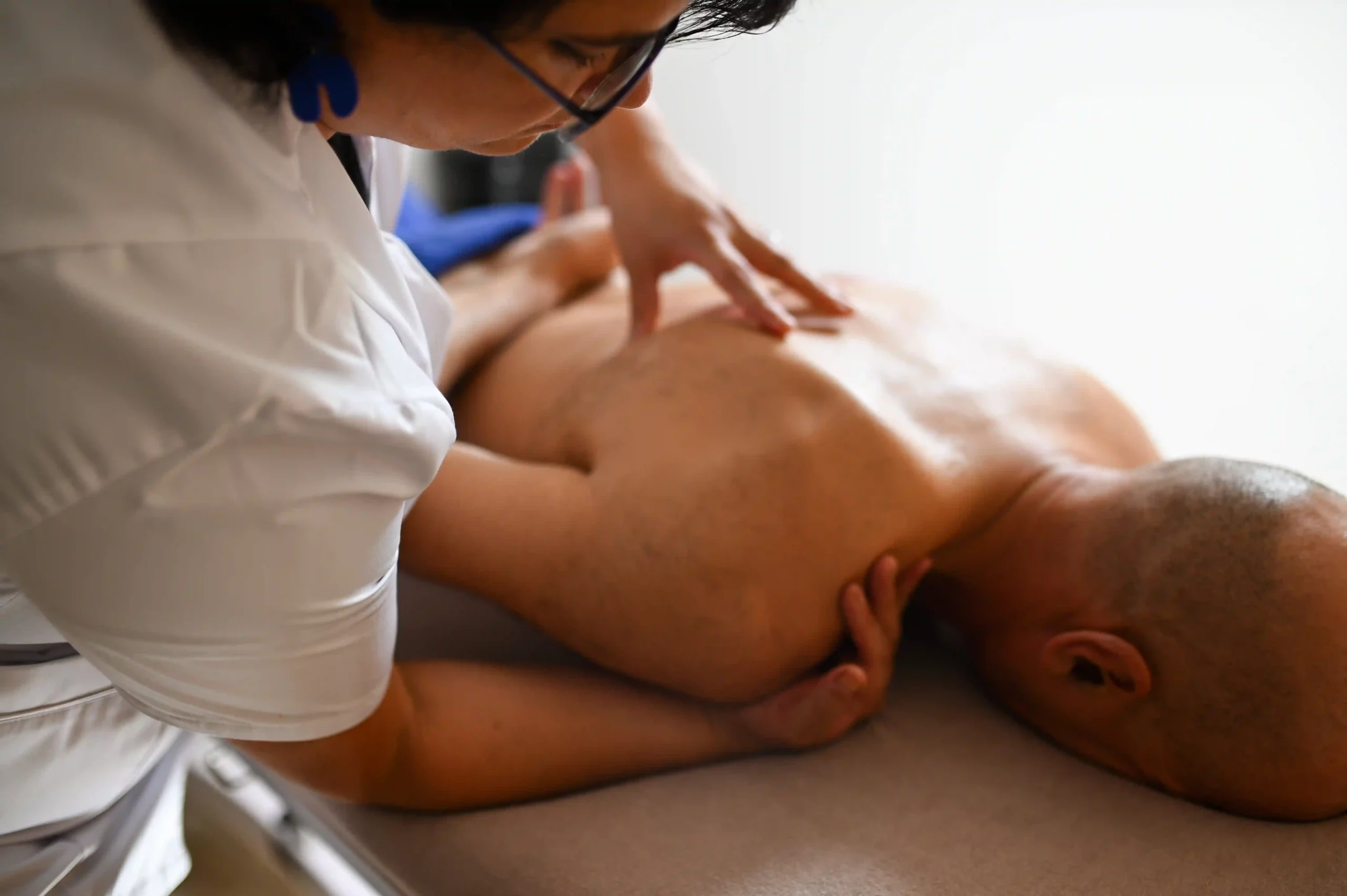
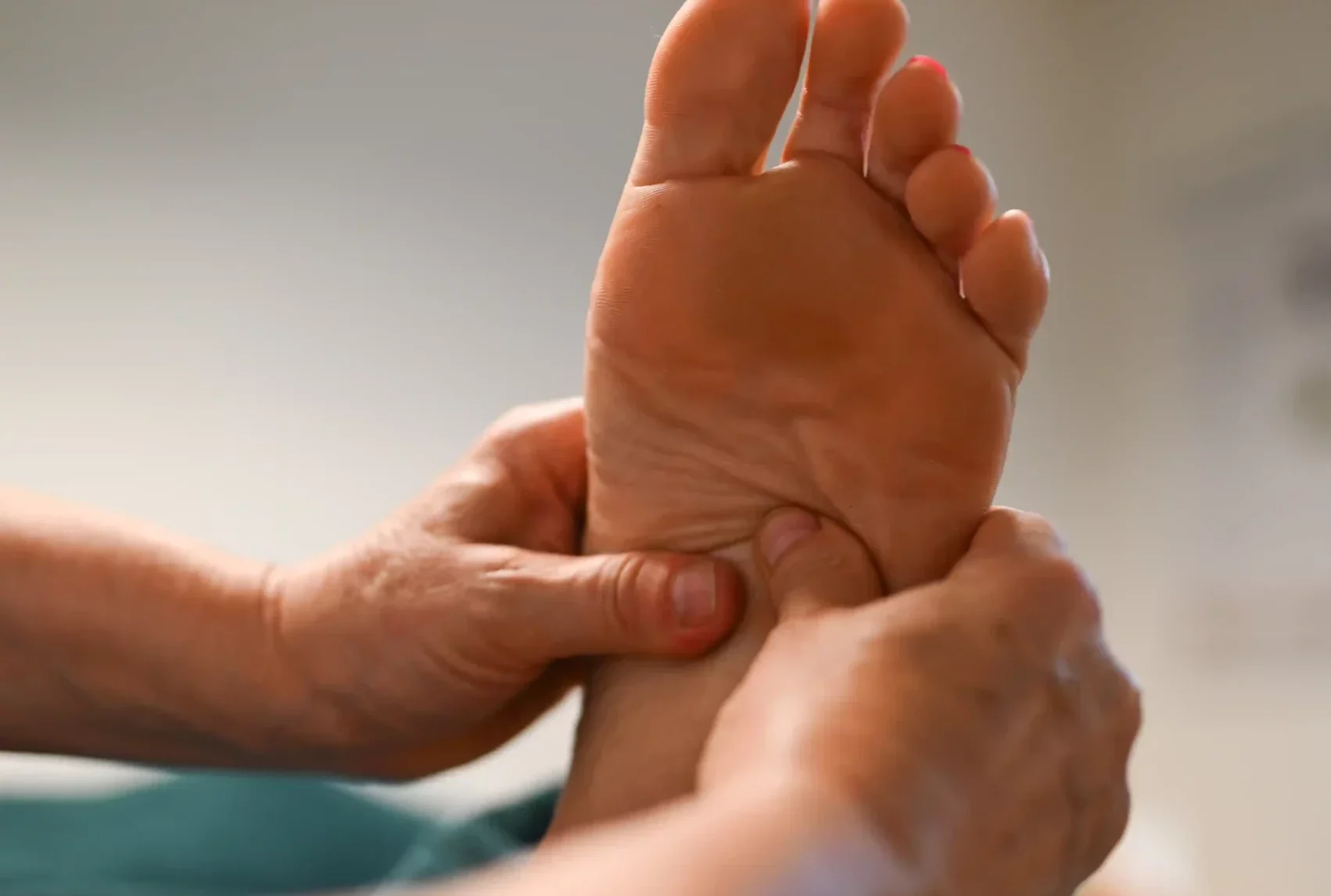
Lorsque l’agitation, le stress ou la surcharge s’accompagnent de tensions corporelles, les approches manuelles peuvent offrir un temps de détente et aider à retrouver des sensations corporelles plus apaisées.
Un accompagnement également adapté aux enfants / adolescents
Le TDAH peut avoir des répercussions importantes dans le quotidien de l’enfant : difficultés d’attention et de concentration, agitation, impulsivité, gestion des émotions, sommeil ou encore difficultés à trouver des repères dans les routines quotidiennes.
À La Clinique Naturelle, plusieurs de nos thérapeutes accompagnent les enfants et les adolescents, en adaptant leur approche à leur âge, à leurs besoins et aux difficultés rencontrées.
Selon la situation, l’accompagnement peut notamment porter sur :
- le stress et la gestion des émotions ;
- le sommeil et le retour au calme ;
- l’alimentation et les habitudes de vie ;
- les tensions physiques et la détente ;
- le retentissement des difficultés sur l’estime de soi et le quotidien.
L’accompagnement est choisi en fonction de l’enfant et de sa situation. Il peut être proposé en complément d’un suivi pédiatrique, médical ou psychologique déjà en place.
La Clinique Naturelle ne réalise pas le diagnostic du TDAH. Lorsqu’un TDAH est suspecté ou qu’une évaluation est nécessaire, nous orientons les familles vers les professionnels de santé compétents.
What Makes Our Support So Effective
Are the sessions covered by supplemental insurance?
Some supplemental insurance plans may cover part of the cost of sessions. However, coverage depends on your policy, the type of therapy you receive, and the therapist you choose.
Before your first appointment, we recommend that you contact your insurance provider directly and provide them with the following information:
- the therapist's name;
- the therapy in question.
The therapists at La Clinique Naturelle hold professional accreditations that vary depending on their specialty, including accreditation fromASCA and/or RME. However, these accreditations do not automatically guarantee reimbursement for sessions: only your insurance provider can confirm the exact terms of your coverage.
Do you have a question?
OR
Further information
Sources and Medical Information
The information on this page is provided for informational purposes only and is not a substitute for medical advice.
Sources consulted:
- National Institute for Health and Care Excellence (NICE) – Attention deficit hyperactivity disorder: diagnosis and management (NG87). Recommandations concernant le diagnostic, l’évaluation et la prise en charge du TDAH chez l’enfant, l’adolescent et l’adulte.
Consulter les recommandations NICE - Centers for Disease Control and Prevention (CDC) – Diagnosing ADHD. Informations sur le diagnostic du TDAH, les symptômes pouvant conduire à consulter et la nécessité d’une évaluation par un professionnel de santé. Le CDC rappelle notamment qu’il n’existe pas de test unique et que d’autres troubles peuvent provoquer des symptômes similaires.
Consulter la ressource du CDC - Centers for Disease Control and Prevention (CDC) – Treatment of ADHD. Informations sur les principales prises en charge du TDAH chez l’enfant et l’adolescent, ainsi que sur la place de l’hygiène de vie en complément de la prise en charge.
Consulter la ressource du CDC sur les traitements - Organisation mondiale de la Santé (OMS) – Troubles mentaux / Santé mentale des adolescents. L’OMS classe le TDAH parmi les troubles neurodéveloppementaux et le caractérise notamment par des difficultés persistantes d’attention et/ou d’hyperactivité-impulsivité ayant un retentissement sur le fonctionnement.
Consulter l’OMS
Dernière mise à jour de la page : 15.09.2026
Nos articles
Educational articles written by our therapists to help you better understand this topic and answer the most frequently asked questions: