
Irritable bowel syndrome: what are the benefits of a colonic enema?
For thousands of years, people all over the world have practiced the enema. It's a universal way of cleansing from the inside out. Enemas are still practised today by many people, who perform them on themselves by purchasing suitable equipment from chemists. But this colonic enema is also offered by professionals who use a high-performance machine that allows them to control temperature, water flow and pressure. This professional enema enables the entire colon to be irrigated. Following the example of specialized professionals, we will use the term "enema" or "colonic enema" to designate both enema performed without a machine and enema performed with an adapted machine. In the case of colonic enemas performed by colonic hygienists with a specialized machine, we refer more specifically tocolonic irrigation, or more frequently to colonic hydrology or colonic hydrotherapy.
The colonic enema is a genuine form of intestinal hygiene, involving gentle yet thorough cleansing of the colon. The aim is to eliminate any undigested residues that remain in the colon, particularly in the corners, thereby helping to detoxify the body and alleviate its ailments. The parallel can be drawn with tooth brushing and/or a visit to the dental hygienist (with his specialized equipment).
What are the benefits of a colonic enema? What does it involve? Find out a little more about this totally natural procedure, essential for boosting the immune system.
What is a colonic enema?
The colonic enema is a technique for cleansing the large intestine (colon) using filtered water, to which a solution based on trace elements, plants and, in some cases, probiotics, is sometimes added in very small quantities. This ancestral method dates back to the time of Hippocrates, more than 4 centuries BC, and to many ancient civilizations (Egyptian, Greek, Roman, Chinese...).
The aim of this treatment is to prevent illness or dysfunction caused by the accumulation of toxic waste in the large intestine. Certain residues remain trapped in the colon and can be responsible for a host of aches and pains, including a reduction in the effectiveness of our immune defences.
An intestinal enema is often aimed at relieving people suffering from constipation, bloating, diarrhoea, physical and mental fatigue, among other ailments, and thus boosting the overall elimination functions.
Colon irrigation in practice
This treatment gently irrigates the large intestine. The water passes through the entire colon to the cecum (about 1.5 m). It's a gentle, painless procedure. Colon cleansing must be performed by a specialized therapist.
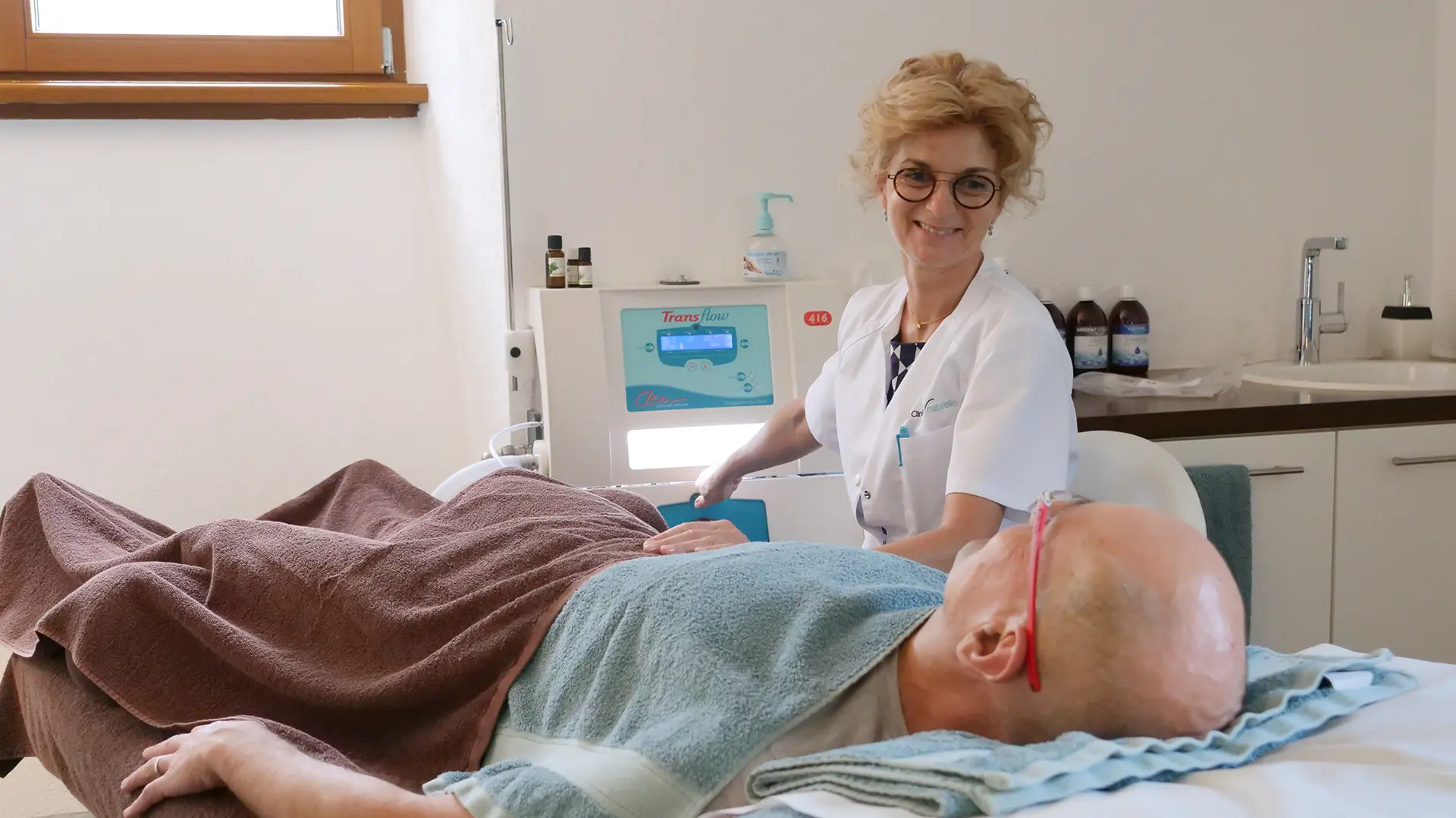
A dedicated machine regulates the flow, pressure and temperature of the water.
A sterile, single-use cannula connects the machine to the patient's rectum.
Colon irrigation is a gentle method that works by soaking, not by washing or pressure. The therapist performs several successive baths (filling and evacuation cycles in a closed system), combined with an appropriate abdominal massage. These massages help to loosen stagnant fecal matter embedded in the smallest nooks and crannies of the colon.
During the treatment, it may be useful to add personalized supplements such as magnesium, colloidal silver, chlorophyll, coffee, probiotics...
Can you clean out your colon at home?
You can perform an enema at home, using simple equipment (a bag, a hose and an anal cannula), but explanations and precautions are necessary. A colonic enema can be both stressful and risky if not performed correctly. It is therefore wiser to consult qualified and experienced professionals than to do it yourself. That's why it's strongly recommended to perform this bowel hygiene treatment in specialized centers or clinics.
Colon enemas can also be performed directly in hospitals, notably in cases of chronic constipation or severe incontinence, or in patients with a colostomy (when the colon is directly "plugged" to the skin and fitted with a collection bag).
What health benefits can we expect from an intestinal enema?
The main aim of an intestinal enema is to evacuate food residues stagnating in the folds of the colon.
This congestion (mucoid plaque), together with the various stored toxins, is said to be the cause of many everyday ailments: headaches, asthma, allergies, eczema, psoriasis, menstrual pain, digestive discomfort...
The enema helps to detoxify the body, bringing vitality and lightness to the organism.
It is recommended for people suffering from a mild or sometimes serious pathology, but also as part of a preventive health approach, notably to boost the immune system (which is very timely in this pandemic period).
How can an intestinal enema help boost our immune system?
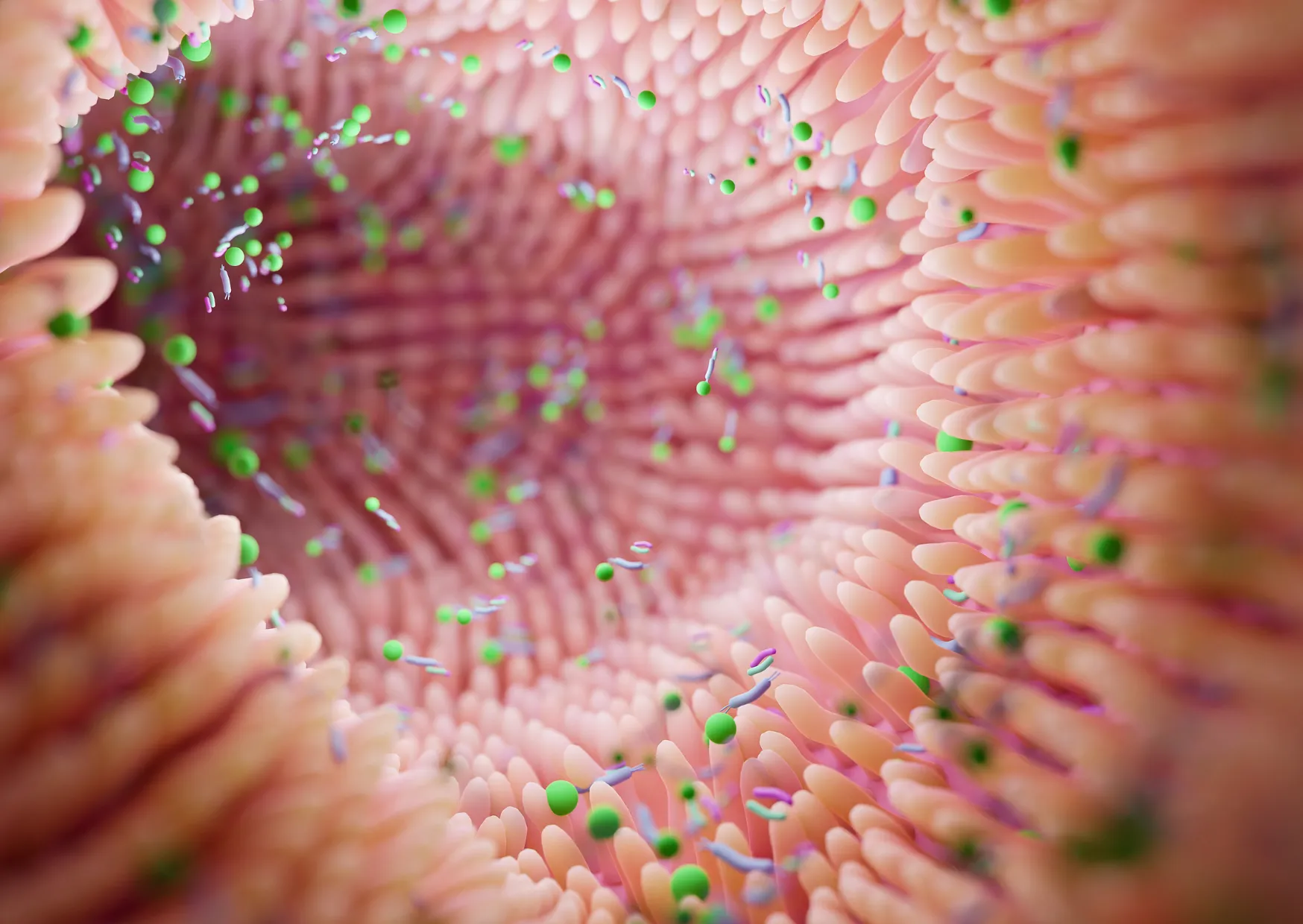
Immune cells, which play a major role in defending against pathogens, are mainly located in the intestine (around 60-70% of our immune cells are located in the gut).
Lifestyle hygiene, physical, emotional and psychological stress, lifestyle rhythm and "junk food" can lead to an imbalance in our intestinal flora (microbiota), known as dysbiosis. This dysbiosis has a deleterious effect on the quality and quantity of our immune cells. Intestinal cleansing, as a form of large intestinal hygiene, helps to re-establish this balance of intestinal flora, known as eubiosis.
This can improve the natural functioning of the immune system.
The concrete benefits of a colonic enema for the body
It acts on the body's eliminatory (or emunctory) organs: in addition to the colon, these include the liver, lungs, kidneys and skin.
The intestinal enema is also renowned for its purifying action, making it an excellent preventive measure. Like all detoxifying practices, it improves nutrient assimilation and helps with weight loss. In particular, it is highly recommended as an accompaniment to fasting (abstinence from food for varying lengths of time): before, during and after fasting.
Mild pathologies
So-called "mild" pathologies that "plague daily life" are most often: stomach ache, constipation, bloating, cramps, fatigue, tightness, eczema, skin problems, migraines...
Serious pathologies
The "heavier" pathologies may include inflammatory, auto-immune, neurological and degenerative digestive diseases, as well as long-term treatments.
Contraindications of colonic enema
Pregnancy, colon cancer, recent visceral surgery less than 3 months old and certain acute inflammatory diseases are contraindications to the colonic enema.
It is therefore important to take the necessary time to carry out a health check before each treatment.
Who to consult for an intestinal enema?
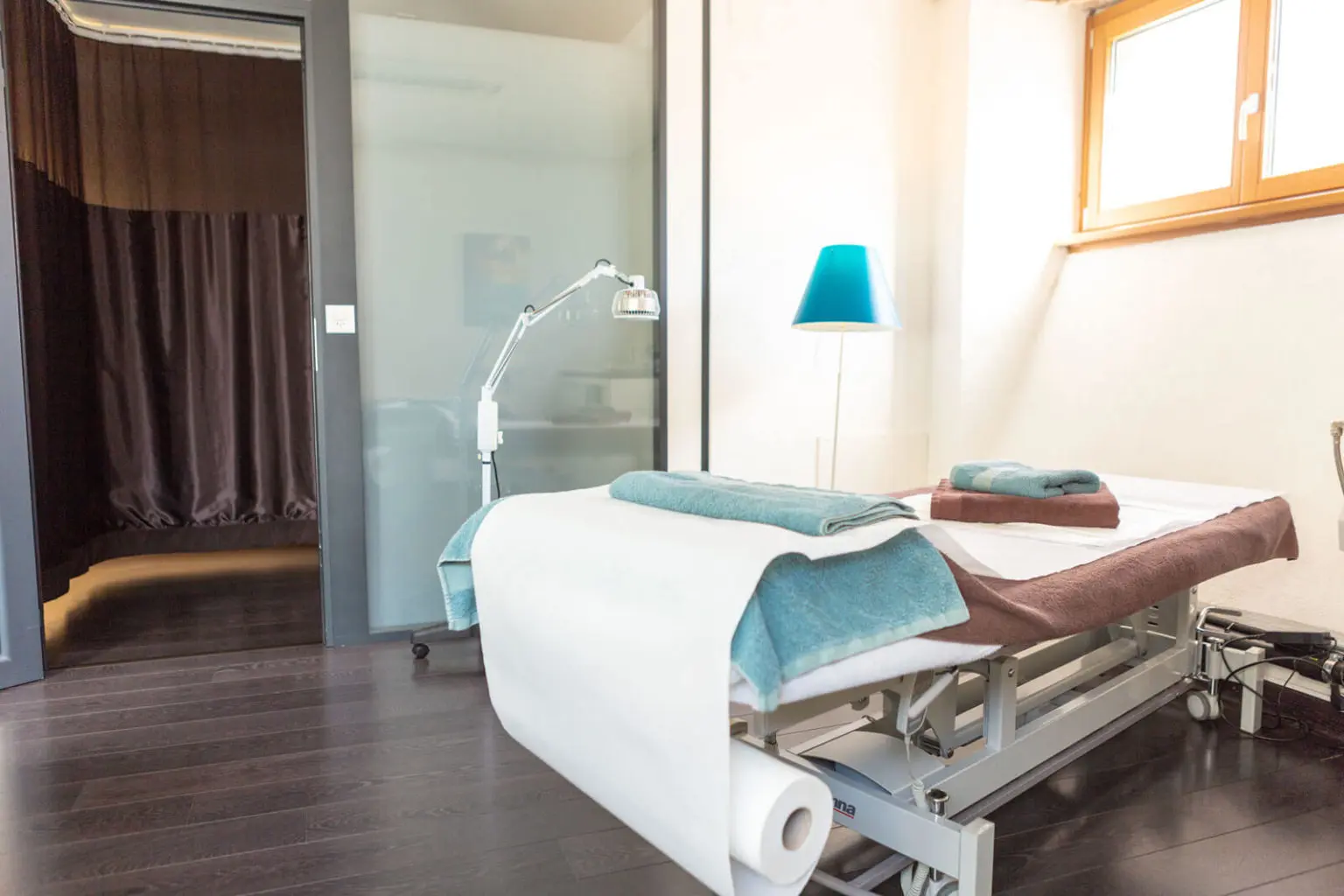
Calling on specialized therapists (naturopaths, nurses, etc.), who are qualified and recognized by complementary insurance companies, will ensure that you are cared for by competent, caring experts. These health professionals are often attached to wellness centers or specialized clinics.
A session at the Clinique Naturelle de Genève
Before your first appointment, we'll give you a document with instructions on the entire preparation process, and in particular what to eat before and after the treatment.
At Clinique Naturelle, our therapists always begin the relationship with the patient with a health assessment. A thirty-minute medical history is taken to understand your needs and context. In particular, we check the relevance of the treatment in a highly personalized way. It's also an opportunity to answer any questions you may have before the treatment.
Personalized confidence-building
We pay particular attention to building patients' confidence and listening to their needs. So we take care to create an environment that encourages relaxation and letting go.
There is a close link between the brain and the intestine. Each stage of treatment therefore requires genuine trust between patient and therapist.
Smooth, modern technology
At Clinique Naturelle, we attach great importance to patient comfort and hygiene.
We use modern machines to regulate water flow, pressure and temperature. A sterile, single-use cannula connects the machine to the patient's rectum.
During filling, tempered water gently penetrates the colon, accompanied by a gentle belly massage (against the direction of transit). This massage enables you to get in touch with your body, to feel any blockages and tensions, to encourage breathing and to relax.
During evacuation (in the tube), we massage in the direction of transit, insisting on the angles (hepatic, splenic and sigmoid) without forgetting the plexuses (nerve centers). These movements, this belly massage, moisturize and loosen residues attached to the mucous membrane. Depending on the patient's needs and condition, several baths (or back-and-forth washings) are performed.
The treatment ends with a visit to the toilet.
We end the session with an assessment, some feedback and a soothing herbal tea.
Colon hydrology therapists at Clinique Naturelle :
Marie-Anne GEISER
Colon hydrotherapist since 2007
Naturopath, nutritionist
Co-founder of Clinique Naturelle in Geneva
Nathalie FAVRE COUTILLET
Colon hydrotherapist since 2011
Nurse
If you would like more personalized information, please do not hesitate to contact us directly!
A few links that address the topic of "what are the benefits of a colonic enema?"
www.passeportsante.net
www.docteurnature.org
www.psychologies.com
www.le-quotidien-du-patient.fr
www.alternativesante.fr
A quick overview of the topics covered in this article.
Latest articles
octobre 12, 2026
octobre 12, 2026

octobre 12, 2026