
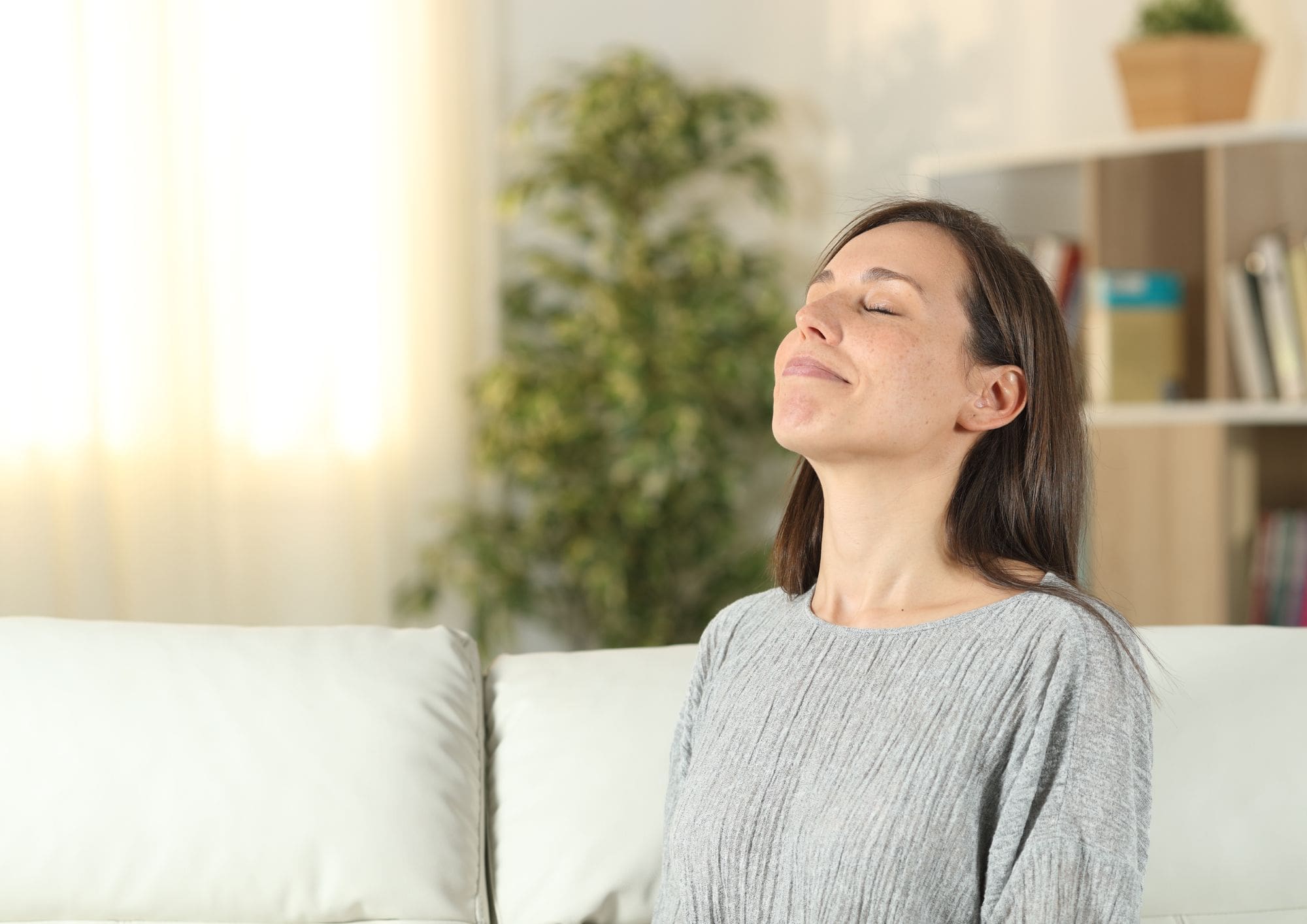
Breathing, a reflection of your inner balance
Breathing, a reflection of your inner balance
Breathing seems so natural that we often forget how much this simple, automatic gesture
influences our mental and emotional health. Yet inappropriate breathing habits
often unconscious, can contribute to many imbalances and symptoms.
The average adult takes between 17,000 and 23,000 breaths a day... without even realizing it.
aware of it. In the event of stress, pain, emotional overload or other situations
situations, the breath can become too rapid, shallow or irregular.
Have you noticed how your breathing can become shorter or more jerky
when you're under stress?
The way we breathe has a direct effect on our autonomic nervous system, posture,
muscle tension, tissue oxygenation, energy levels, digestion, sleep, concentration...
digestion, sleep, concentration... and our emotional states.
Breathing, anchoring, reconnecting
In our busy, fast-paced daily lives, breathing is one of the few levers we can consciously mobilize.
we can consciously mobilize.
Slowing down the breath naturally calms the nervous system. The mind slows down
the body regains space. Breathing becomes a concrete way of coming back to oneself, regulating sensations
to regulate sensations and regain a more stable, freer state of being.
Breathing: a natural approach to soothing your symptoms
Disturbed breathing can have many origins: prolonged stress, poor posture
posture, emotional overload, fatigue, trauma, past respiratory illnesses...
Relearning to breathe in a more functional way is designed for anyone
wishing to relieve tension, regain a better overall state of health and
and strengthen the mind-body connection.
Learning to manage your breathing can reduce :
- Physical symptoms:
- Feeling of tightness or blockage in the chest
- Chronic fatigue, low energy
- Back, neck or abdominal pain linked to dysfunctional breathing patterns
dysfunctional breathing patterns - Digestive disorders (linked to high or inverted respiration)
- Occasional respiratory difficulties (with medical approval)
- Emotional and nervous symptoms:
- Anxiety, panic attacks
- Hyperventilation
- Irritability, nervousness, mental agitation
- Trouble sleeping or falling asleep
- Pregnant or post-partum women
- For better breath management during pregnancy
- Preparing for childbirth
- Relearning to breathe after childbirth, especially after a Caesarean section
- Sporty people
- To optimize recovery
- Manage effort better with more functional breathing
The benefits of breathing training
Working on your breathing is more than just a relaxation technique. It's a gateway
to a state of deep equilibrium, an inner resource that can be mobilized at any time.
at any time, allowing you to :
- rediscover fuller, more regular and adapted breathing
- regulate the nervous system and reduce anxiety
- promote good cardiac variability and improved blood pressure
- a better quality of sleep
- soothe the mind and support concentration
- increase vital energy
- better emotional management and a quicker return to calm
- support for the digestive system and posture
Why do breathing exercises?
Conscious breathing exercises act as a real inner reference point.
point of reference. By bringing attention back to the breath, we leave the mental turmoil behind and return
in the body, here and now. By paying attention to the breath and its mechanisms
a better sense of self and a real physiological anchorage. It's a simple
simple, accessible method for regaining clarity and calm, even in moments of intense
intense emotions.
Breathing is one of the few automatic systems we can regulate
voluntarily. By better understanding how you breathe today, you can take concrete action
on your well-being, your tensions and your capacities. Why not start
today with a personalized breathing assessment and become aware of your current
and start making lasting changes?
How do you work on breathing?
Working on your breathing means first and foremost taking the time to observe your breath. Where does it naturally
in your body? Is it high, jerky, blocked, or fluid and regular?
Based on this awareness, you can integrate simple exercises, such as lengthening the length of the breath, or stretching it.
breathing, abdominal breathing or cardiac coherence. These practices help to
amplitude, release tension and create more functional breathing.
functional breathing. A few minutes a day can be enough to feel a deep and lasting effect.
lasting effect.
Sophrology: a tool for freeing the breath
Sophrology is a gentle approach combining breathing, body relaxation and
visualization. Through simple, guided exercises, it harmonizes breath and mind.
and the mind. In a session, you learn to release tension through targeted breathing, to regulate your emotions and to return to a state of deep calm.
and regain a state of deep calm. Sophrology is for everyone: children,
adults, pregnant women and people under stress.
It is particularly effective for relearning how to breathe consciously, regaining a calmer rhythm and reconnecting with your body.
rhythm and reconnect to your resources.
A quick overview of the topics covered in this article.
Latest articles

June 11, 2026

June 11, 2026
