Free your breath for a soothed mind and revitalized body!

Did you know that 80% of people breathe suboptimally, which can affect their health?
Through breathing sessions, you can learn to breathe fullyand improve your quality of life (stress, sleep, etc.).
Sandrine Marchon is a functional breathing practitioner and will accompany you during the assessment and follow-up sessions.
What are the benefits of a respiratory check-up?
By working on your breathing, you can :
- Regain energy and vitality, and reduce feelings of fatigue.
- Learn to manage stress and calm your mind.
- Reduce physical tension and improve your posture.
- Get a better night's sleep.
- Improve respiratory disorders by strengthening functional breathing.
Why a respiratory check-up?
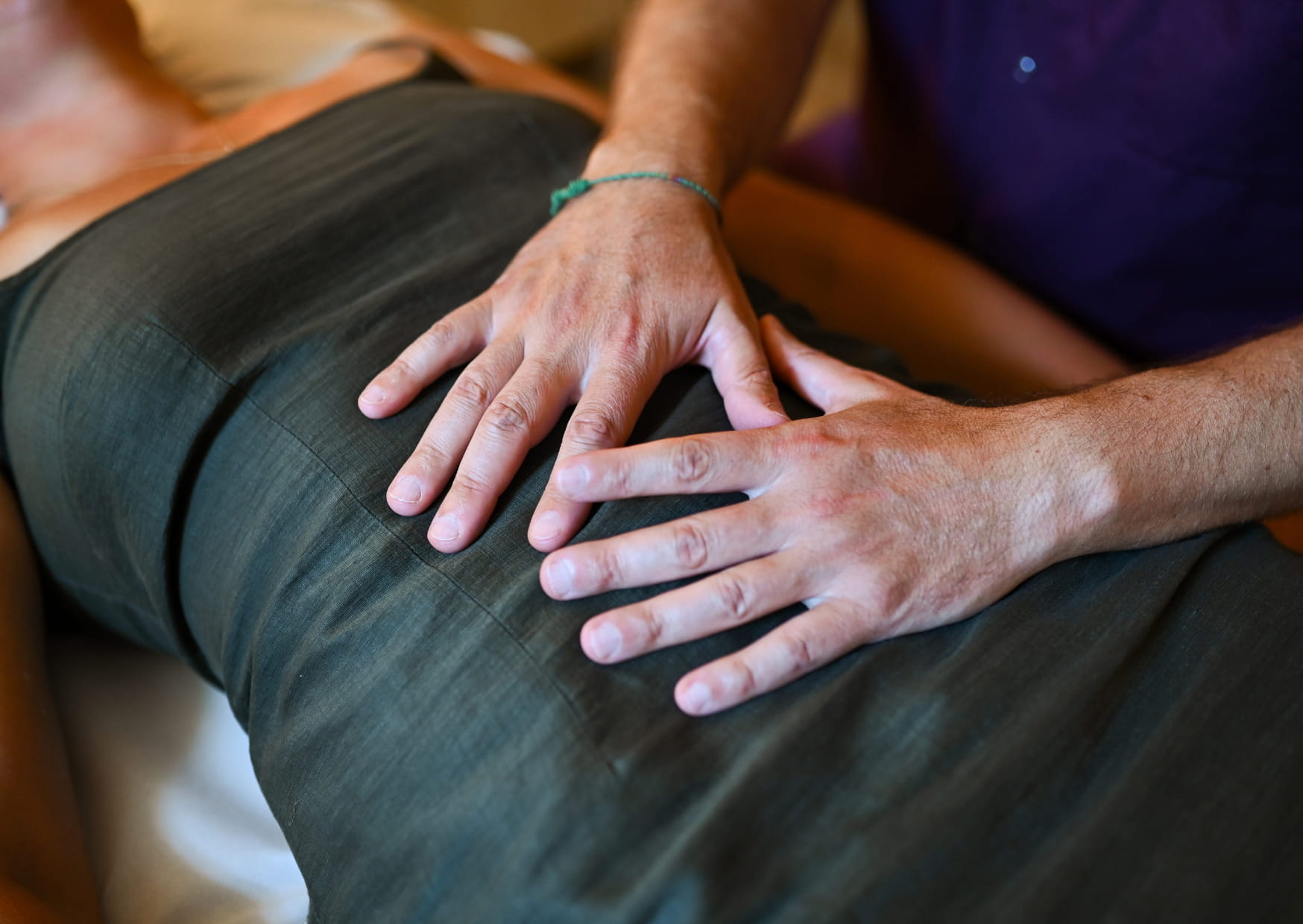
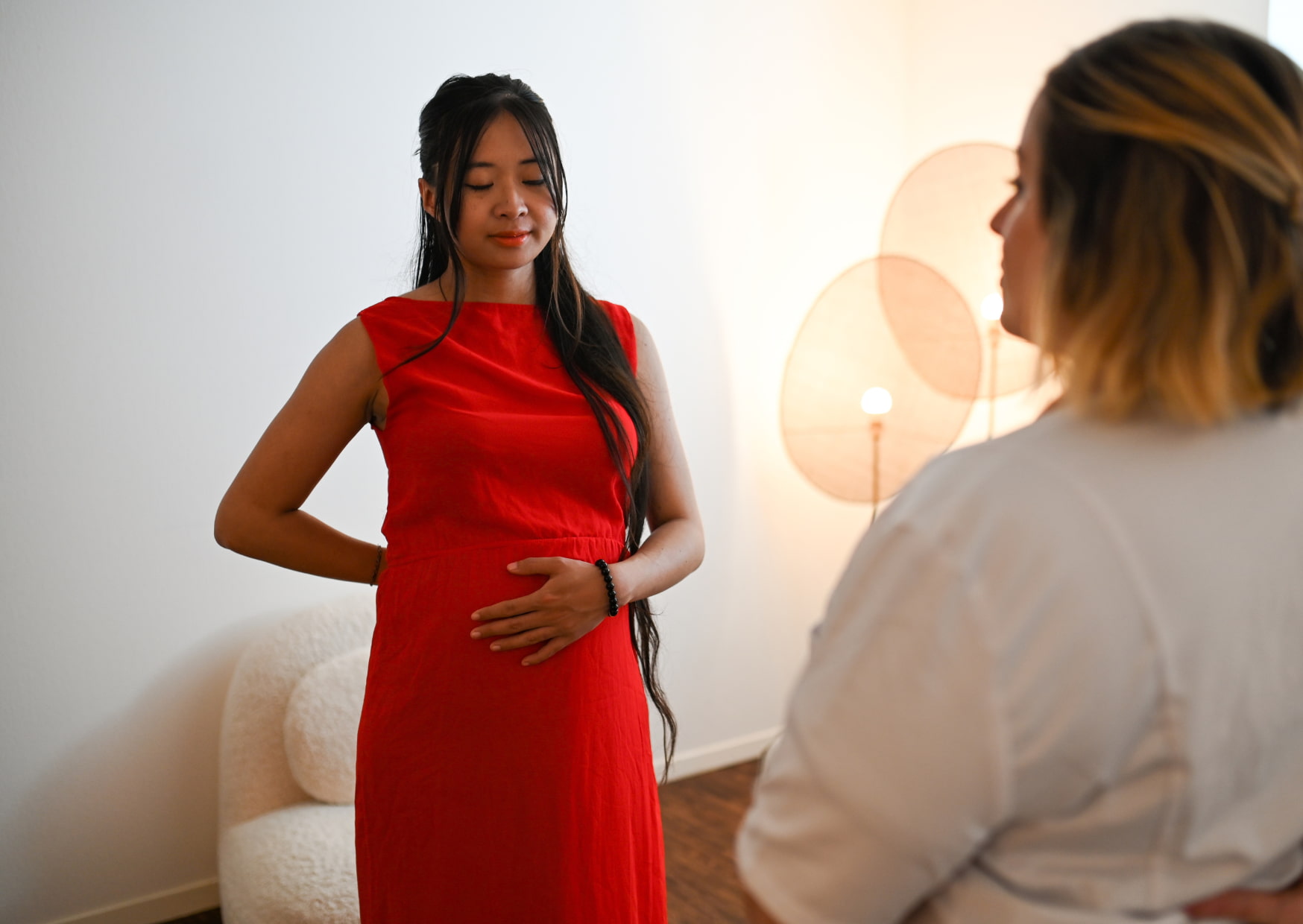
During your first session, you will have a personalized respiratory assessment to :
- Identify dysfunctional breathing patterns that may contribute to various health problems
- Help you better understand the links between your breathing and your current symptomssuch that :
- Chronic fatigue or lack of energy.
- Exacerbated stress and anxiety, with a "knot in the chest" feeling.
- Muscle tension (neck, shoulders, back) or unexplained pain.
- Sleep problems, such as snoring or waking up at night
- Digestive disorders, such as bloating or slow digestion, often linked to inefficient breathing
- Respiratory problems, shortness of breath, asthma, long covid...
- The effects of menopause: to reduce stress, hot flashes, weight gain and sleep disorders associated with menopause by promoting relaxation and hormonal balance.
- For athletes: Good breath control improves endurance, recovery and physical performance.
- For post-treatment healing: reducing stress, speeding recovery and rebalancing body and mind
- For mental disorders (burn-out, anxiety): Breathing techniques are effective in relieving burn-out and anxiety by restoring mental balance, reducing inner turmoil and promoting deep relaxation.
In the following sessions :
Based on the observations made during the assessment, each session will be tailored to your specific needs.
The aim will be toprogressively improve your breathing while working on the points identified, whether toincrease your energy, reduce stress, better manage tension, orpromote better digestion and overall balance.
And breathing for children?
Breathing sessions are particularly beneficial for children, as they help them learn to better manage their emotions and energy. Here are just a few of the benefits:
- Soothing and stress-reducing
- Improved concentration
- Hyperactivity
- Helps you fall asleep
- Managing emotions
- Better energy management
- Strengthening breath and physical well-being

Is the balance sheet enough?
The first breathing session allows you to discover this practice and quickly feel its benefits: immediate relaxation, better stress management and greater awareness of your breathing. It's an essential starting point on the road to overall well-being.
This first meeting is also an opportunity to draw up a personalized assessment, in order to target your needs and objectives. To anchor the benefits in the long term and encourage deep-seated changes, Sandrine, your respiratory therapist, then offers structured support in the form of a 6-session package, with one session per week. This progressive program allows you to explore different aspects together, whether you're looking to release tension, improve your posture, better manage your emotions or optimize your energy.
In addition, simple exercises adapted to your daily life will be suggested, to be practiced 3 or 4 times a week at home. They will help you prolong the effects of your sessions and reinforce your autonomy in your quest for well-being.
Respiratory balance
A complete review of your breathing :
- Analysis of rhythm, mechanics, BOLT score, posture
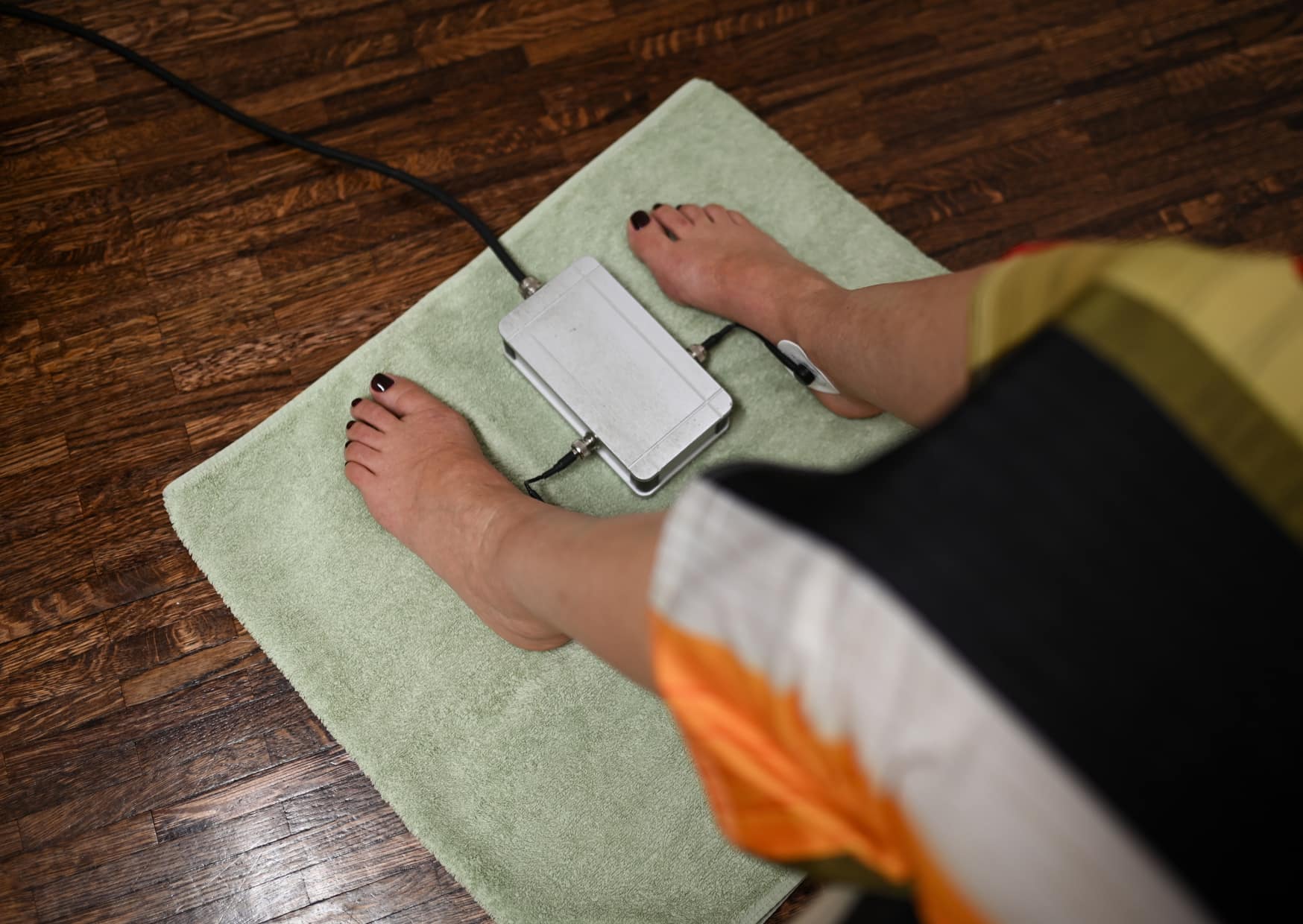
- Assessment of autonomic nervous system and vagal tone, as they directly influence breathing, stress management and recovery
- Identifying respiratory imbalances and their impact
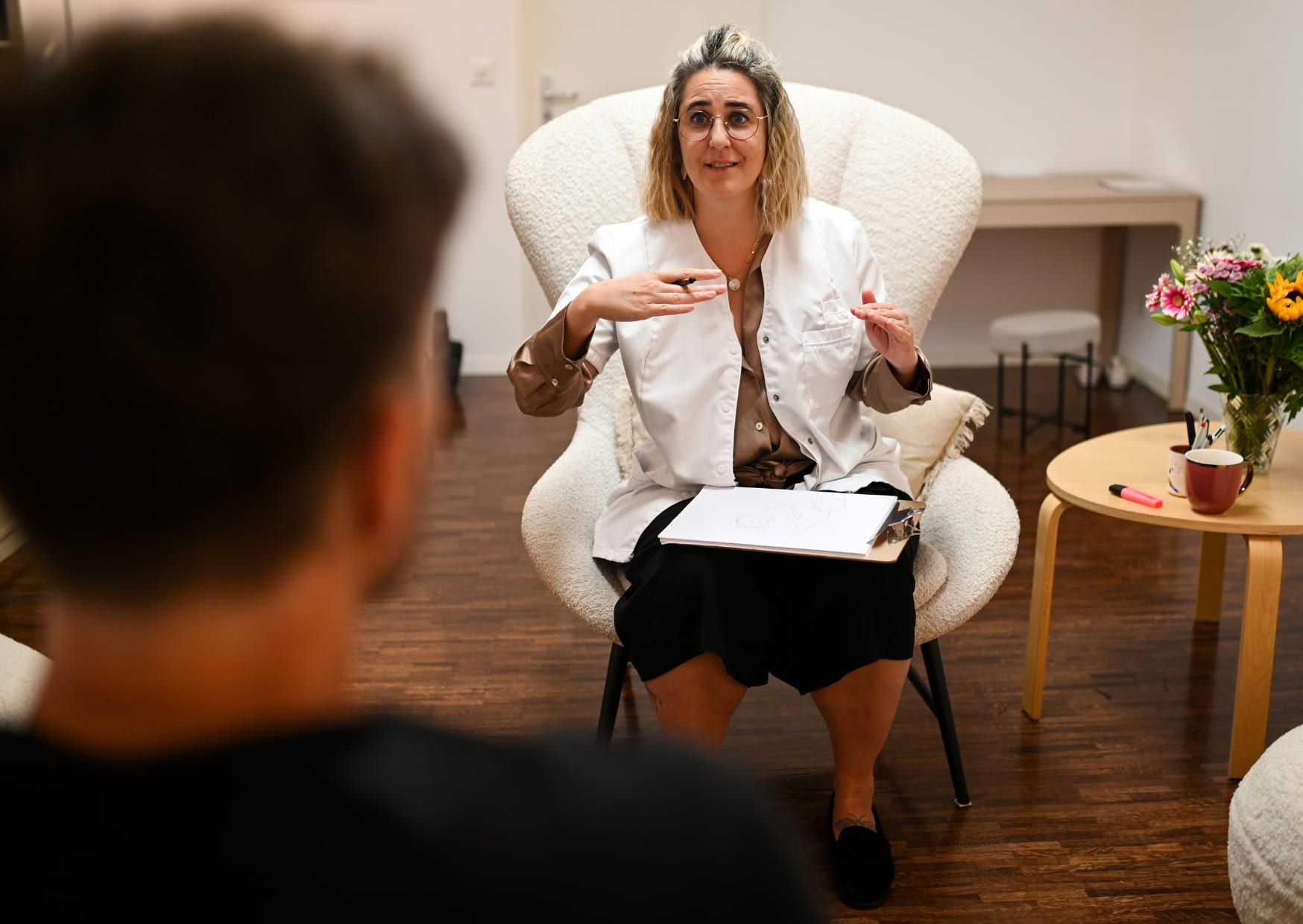
- Discuss your needs: stress, pain, sleep, energy, sport...
At the end of the assessment :
- Sandrine can assist you with breathing exercises, developed according to a personalized protocol based on the results of the assessment and your goals.

A session with Sandrine is:
- Personalized support: Each session is tailored to your needs and objectives.
- Kindness: This is not a diagnosis, but a holistic approach to helping you improve your quality of life.
- Courses accessible to everyone: no prerequisites are required to take part.
What equipment do you need?
Opt for comfortable, flexible clothing, such as jogging pants, leggings or loose-fitting garments.
This will allow you to move freely, relax fully and enjoy the session in the best possible conditions. Avoid clothing that is too tight or stiff, as this may compromise your comfort.
Breathing course
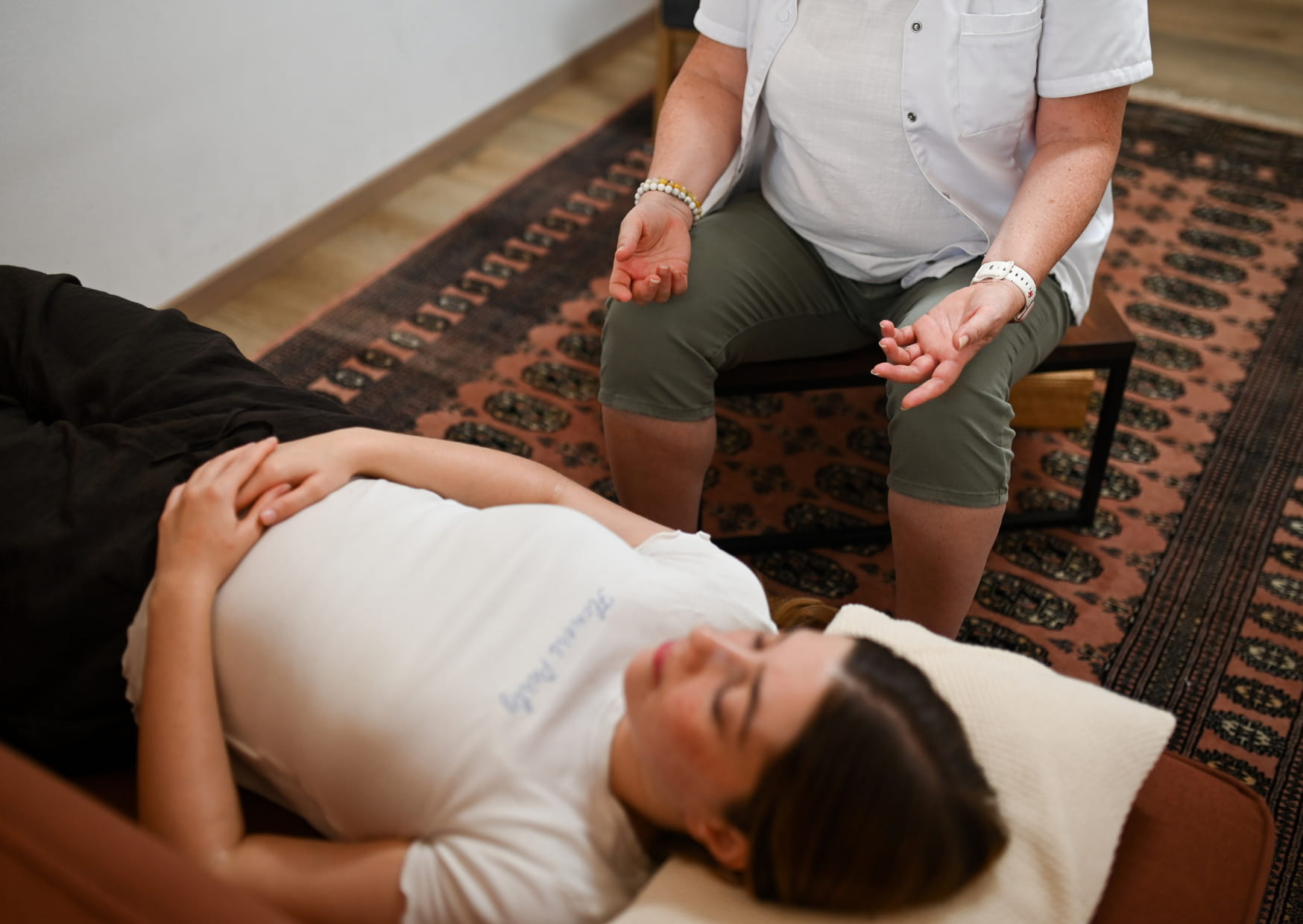
If you don't want to have a respiratory assessment, Sandrine also offers breathing classes that are accessible to everyone, regardless of your level or age. These one-hour sessions will help you strengthen your nervous system, boost your energy, and better manage your daily stress.
Each course combines targeted breathing exercises and gentle movements to release tension, improve posture and promote functional, calmed breathing. Participants typically experience smoother breathing, less body tension, improved sleep and better mental clarity.

Course benefits:
- Significant improvement in breathing capacity, with a particularly noticeable effect on asthmatics and people prone to shortness of breath
- Strengthens the autonomic nervous system, promoting better physical and mental regulation.
- Increased energy and reduced reactivity to stress
- Clarity of mind and improved powers of concentration
- Greater fluidity and ease in sports and everyday movements
This course is for you if :
- You often breathe through your mouth or find it difficult to breathe calmly
- Chronic tension (neck, back, shoulders, stomach...)
- Light or unrefreshing sleep
- You are looking for a complementary practice to a therapeutic follow-up
What you will do:
- Breathing exercises from specialized training, designed to develop tolerance to CO₂, improve breath quality and restore a calmed breathing rhythm. The approach draws on both modern techniques and traditional practices such as pranayamas.
- Gentle movements to relax joints, improve posture and loosen deep muscles
- Work on regulating stress and the nervous system through rhythm and breathing