Bioresonance consultation in Geneva

Bioresonance consultation in Geneva2026-10-20T12:24:06+02:00


A holistic approach to better understand your body and support your well-being when certain imbalances or discomforts persist.

Bioresonance at the Clinique Naturelle 

✔ A holistic approach that focuses on the whole person and takes into account their symptoms, lifestyle, diet, and overall health.

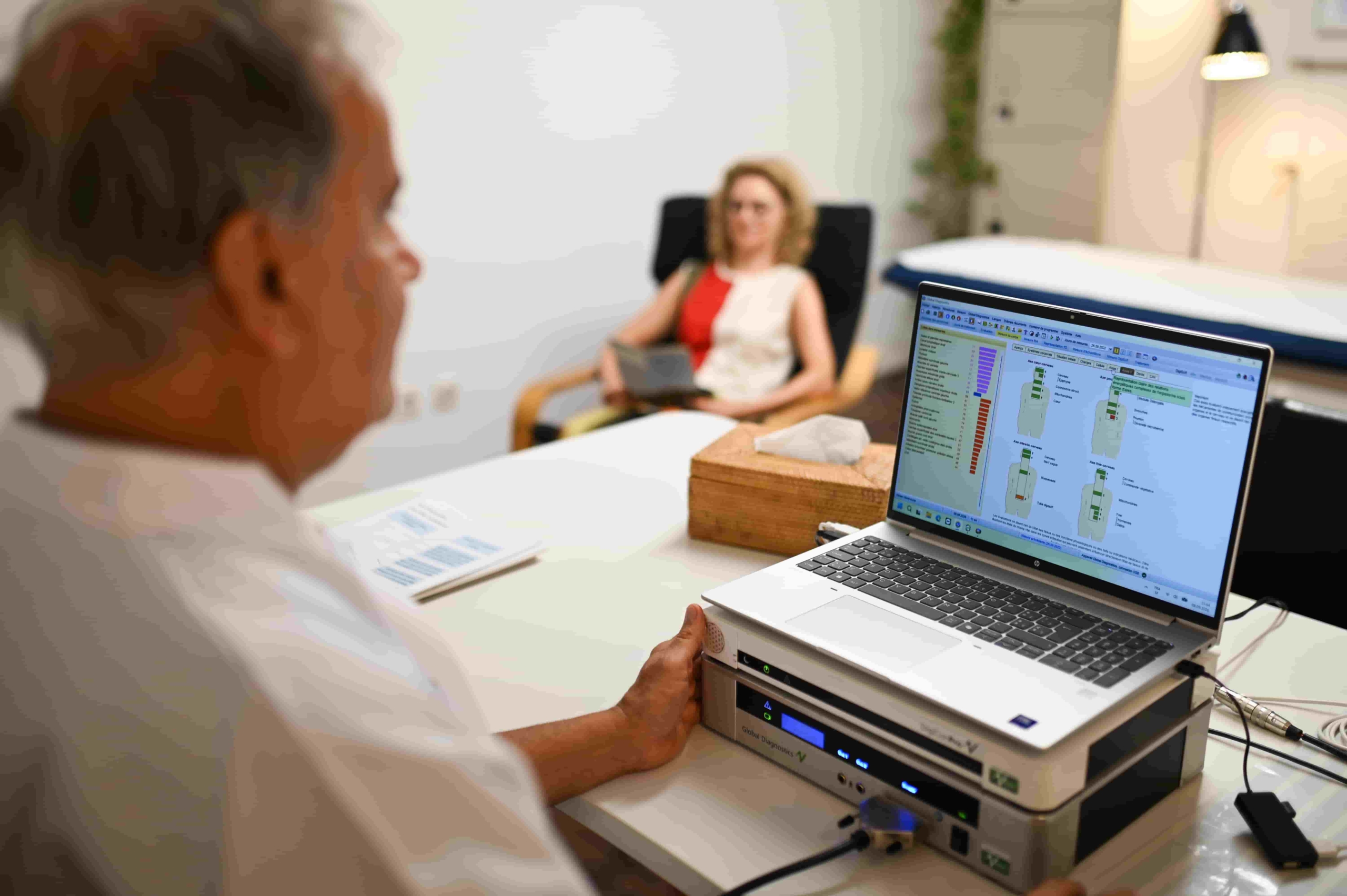
✔ A session combining an in-depth consultation with the use of a bioresonance device to guide and personalize the support provided by the therapist.

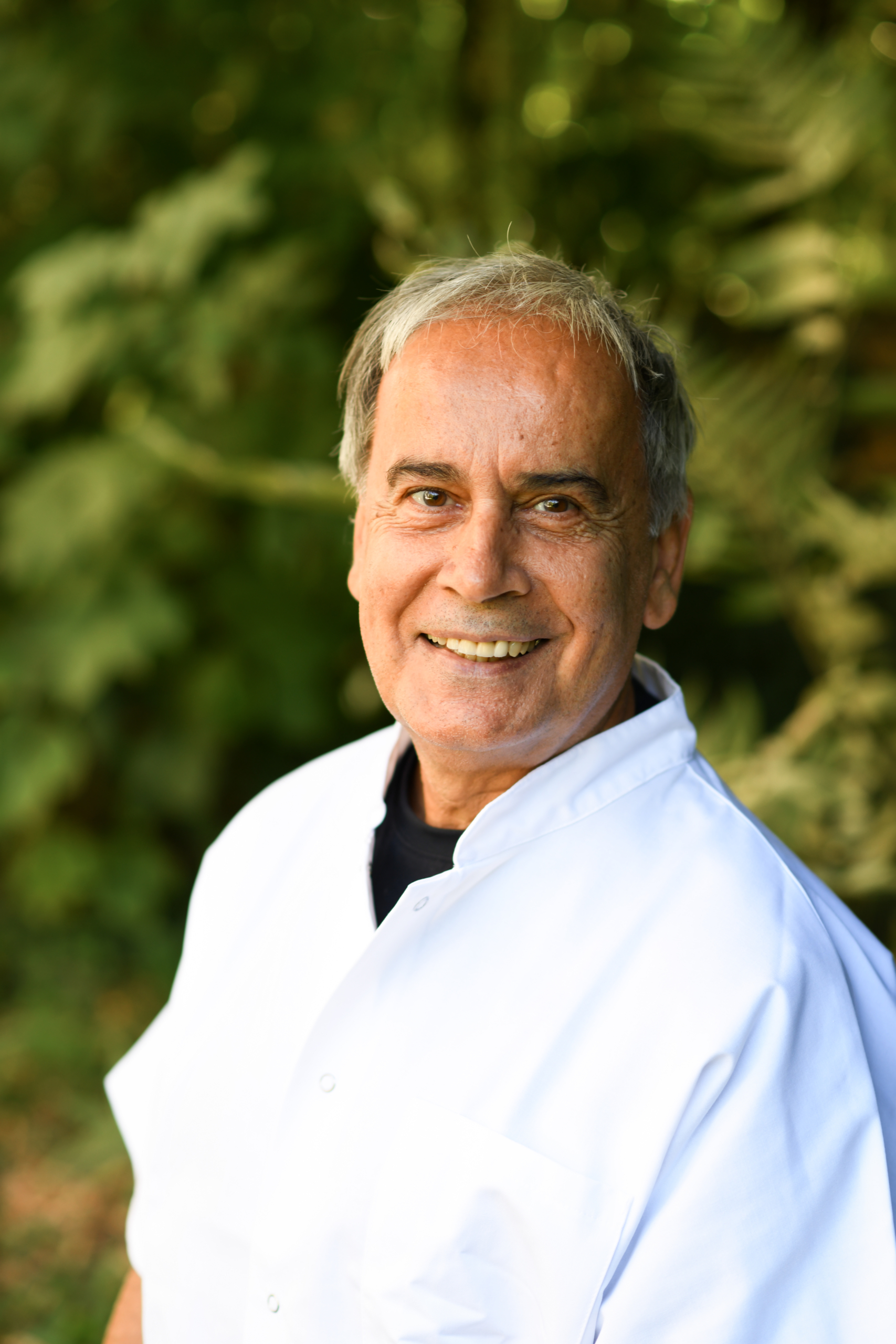
✔ An experienced therapist, Philippe Lavigne, who is also trained in herbal medicine, aromatherapy, nutrition, nutritional therapy, and functional medicine, enabling bioresonance to be integrated into a broader approach to the patient’s overall condition.

✔ A complementary approach that is not a substitute for a medical diagnosis, laboratory or allergy tests, or prescribed treatment.


Are you looking for a comprehensive approach to assess your situation?
Our bioresonance therapist

phillipe

More than 40 years of experience in the healthcare field

ASCA-certified therapist

Trained in bioresonance, herbal medicine, aromatherapy, nutrition, nutritional therapy, and functional medicine.

Why seek bioresonance therapy?

Some people come to therapy with a very specific issue. Others seek therapy because they don’t feel quite right, without being able to clearly identify what is causing their discomfort.

Persistent fatigue, digestive discomfort, sensitivity to certain foods or environmental factors, skin problems, stress, sleep disturbances, or recurring pain can sometimes be part of a broader picture.

A bioresonance consultation provides an opportunity to take the time to review all of these factors and work with the therapist to explore various possible causes of the imbalance you are experiencing.

Bioresonance can thus be incorporated into a broader treatment plan that includes, when appropriate, advice on lifestyle, diet, or certain complementary approaches.

However, it is not intended to establish a medical diagnosis or identify a disease.

In what situations can bioresonance be used?

Digestion and Intestinal Discomfort

Bloating, constipation, indigestion, irregular bowel movements, or discomfort after certain meals are among the most common complaints brought up during consultations.

The goal is to put these symptoms into context: eating habits, meal schedules, stress, sleep, medical history, and any tests that have already been performed.

When appropriate, this support may also be supplemented by nutritional or herbal therapy.

allergie alimentaire

Food and Environmental Sensitivities

Some people seek medical advice because they feel they are reacting to certain foods or environmental factors, or because they experience recurrent ENT symptoms, such as rhinitis or episodes of sinusitis.

Bioresonance can be used by the therapist as a complementary diagnostic tool within the framework of their approach, particularly to identify various factors that may be associated with the reported symptoms. However, it cannot be used to diagnose a food allergy or intolerance in the medical sense.

If an allergy is suspected or if ENT symptoms are persistent or severe, it is still necessary to consult a doctor or allergist for an evaluation.

Fatigue and decreased energy

When fatigue persists or recurs regularly, several factors may be involved: sleep, stress, diet, lifestyle, or certain health issues.

Some people also seek bioresonance therapy to address prolonged fatigue following an infection or long COVID, as a complement to their medical care.

The consultation allows us to address the various aspects of the situation as a whole and to develop a personalized support plan.

Unusual, severe, or persistent fatigue should, however, be evaluated by a doctor to determine the cause.

dermatite

Skin

Eczema, itching, or other skin conditions can have a wide variety of causes.

Consultation can help explore the broader context in which these issues arise and address certain factors related, in particular, to lifestyle, stress, or diet.

It is intended to supplement, not replace, a dermatological diagnosis or follow-up when necessary.

douleurs chroniques

Persistent pain and discomfort

Some people also turn to bioresonance when pain or discomfort persists despite various treatments.

The therapist's role, then, is to take a holistic view of the situation and determine whether additional support seems appropriate.

However, any unexplained pain—whether new or persistent—requires a medical evaluation.

Stress and Sleep

Prolonged stress, difficulty recovering, or disrupted sleep can have a significant impact on overall well-being.

In this context, bioresonance can be incorporated into a comprehensive approach aimed at better understanding the various factors that may be contributing to this condition and tailoring the treatment accordingly.

What is bioresonance?

Bioresonance is a complementary therapy approach that takes a holistic view of the individual and seeks to identify various factors that may contribute to an imbalance or persistent discomfort.

It is based on the assumption that the body emits and receives electromagnetic signals and that analyzing certain frequencies can provide the therapist with additional information to guide their treatment.

During a session, a bioresonance device is used with electrodes placed on the body. The information obtained is interpreted by the therapist and considered in light of the interview conducted with the patient: symptoms experienced, diet, sleep, stress, lifestyle, medical history, and any medical tests that have already been performed.

Bioresonance, therefore, is not limited to the use of a device. At La Clinique Naturelle, it is part of a holistic and individualized approach that allows Philippe Lavigne to integrate the information gathered with his experience and expertise in other fields, including herbal medicine, aromatherapy, nutrition, and nutritional therapy.

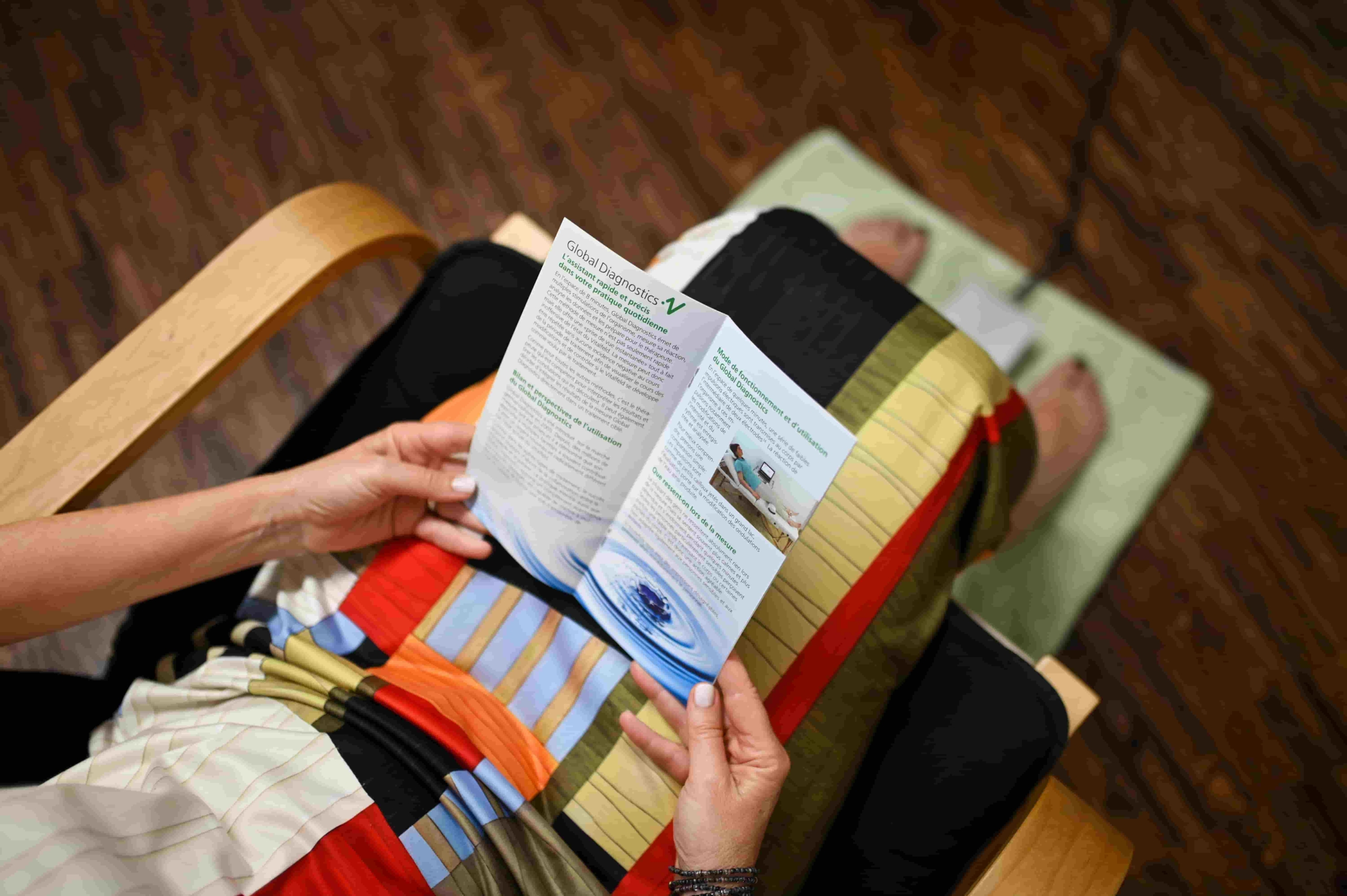
Bioresonance is part of a complementary approach

Bioresonance is not a medical diagnostic tool: it cannot be used to identify or rule out a disease, and it is not a substitute for a medical consultation, laboratory tests, or examinations prescribed by a healthcare professional.

How does bioresonance work?

Bioresonance is a form of complementary therapy known as biophysical therapy.

It is based on the hypothesis that the electromagnetic phenomena associated with the body could provide useful information for a comprehensive understanding of how it functions.

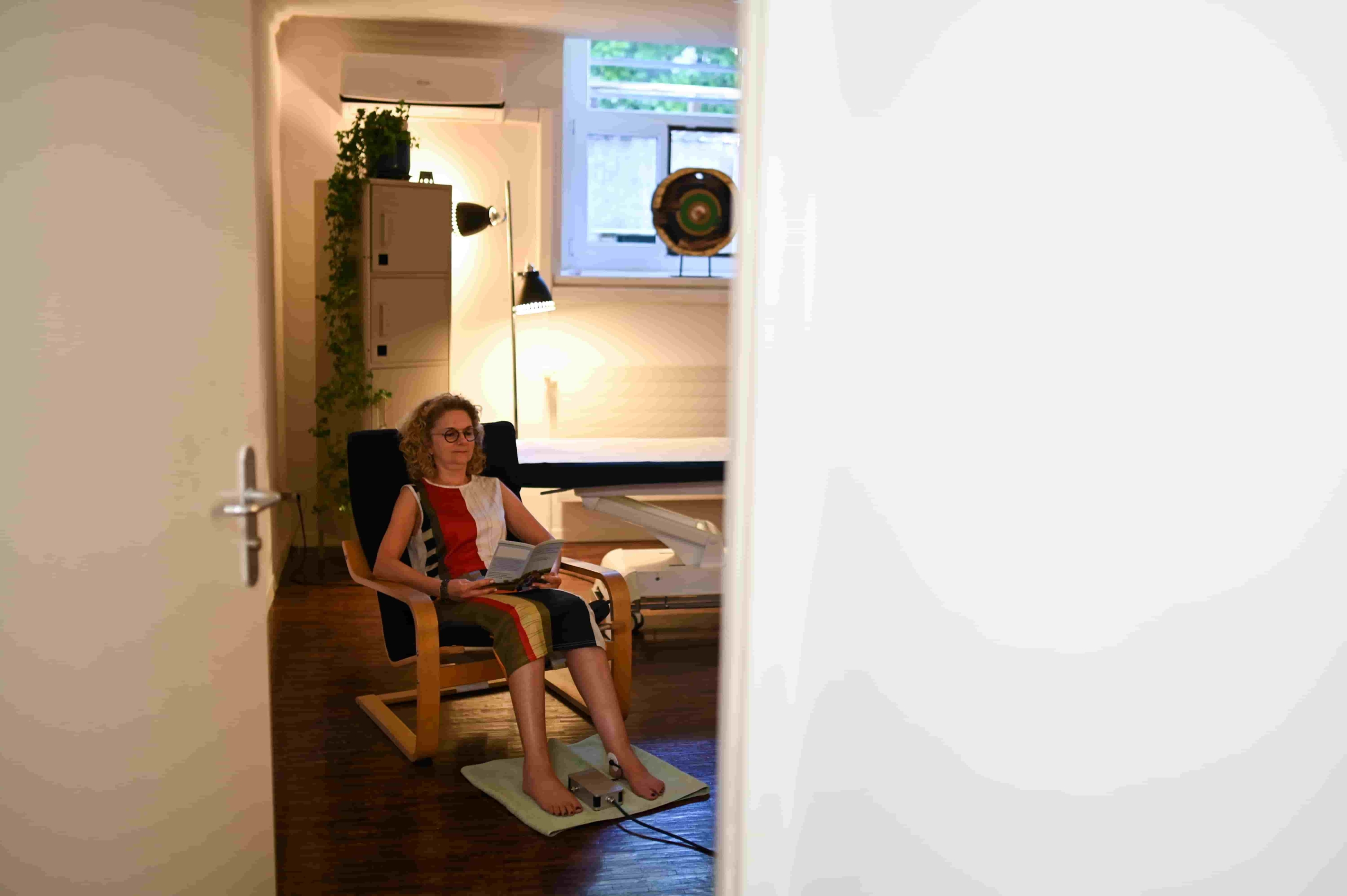
During the session, the patient is connected to the device via electrodes placed on the ankles. The device used by the therapist analyzes different frequencies according to the specific bioresonance protocol.

The therapist then interprets this information, taking into account the interview conducted at the beginning of the session, the reported symptoms, the person’s lifestyle, and their medical history.

Next, the device can be used to apply different frequencies depending on the protocol chosen by the therapist.

It is important to distinguish this type of assessment, specific to bioresonance, from a medical examination: the data obtained do not constitute a biological analysis, imaging, or a medical diagnosis.

bioresonance
Bioresonance

What happens during a bioresonance session?

1. An in-depth interview

The first consultation begins with a medical history.

Philippe Lavigne will take the time to review with you the reason for your visit, your symptoms and how they have progressed, your diet, your sleep, your stress levels, your lifestyle, and any treatments or medical tests you may have already undergone.

This first step is essential for putting your issue into context.

2. Using the bioresonance device

Electrodes are placed on the ankles.

An initial session lasting about eight minutes is conducted using the bioresonance device. The information obtained is presented to the therapist in the form of data and graphs, which the therapist interprets according to the method used.

3. Personalized support

Based on the interview and the information gathered during the session, the therapist determines which areas to focus on.

The device can then be used to apply different frequencies as part of the bioresonance protocol.

Thanks to his additional training and experience, Philippe Lavigne can also offer, when appropriate, supplementary advice on healthy living, nutrition, herbal medicine, or aromatherapy.

In certain specific situations, the frequency of sessions may be adjusted in consultation with your doctor, particularly when they are part of a comprehensive medical treatment plan.

Some people also choose to have another session when they experience a recurrence of digestive discomfort, such as bloating, a feeling of heaviness, or irregular bowel movements.

Even in the absence of any specific health issues, a colon hydroscopy can also be performed as a preventive measure. Two sessions per year are generally recommended for this purpose.

Unless otherwise specified, very frequent sessions (for example, more than one per month) are generally not necessary. The frequency of treatment is always determined in consultation with your therapist based on your situation and needs.

What can you expect from a bioresonance session?

People who seek bioresonance therapy often look for a holistic approach to their situation, especially when they experience multiple overlapping symptoms, recurring symptoms, or symptoms that persist over time.

In our practice, some patients report improvements in their symptoms or well-being during the course of treatment. Depending on the individual and the reason for their visit, these improvements may relate to digestive comfort, fatigue, sleep, certain sensitivities, or, more generally, their overall condition.

This feedback is taken into account during follow-up sessions: it allows us to work with the individual to assess their progress and, if necessary, adjust the support provided. However , results vary from person to person, and it is not possible to guarantee in advance the outcome of a session or a course of support.

And what about research?

Bioresonance has been the subject of several scientific studies, particularly in the areas of functional digestive disorders, atopic dermatitis, and smoking cessation. Some studies have reported favorable results, while others have not demonstrated any specific benefits.

To date, the available studies remain too limited and inconsistent to allow for a conclusion that bioresonance has proven efficacy for the various conditions for which it is used in practice.

It is therefore important to distinguish between the individual outcomes reported by the people we support—which we observe in our practice—and the level of scientific evidence currently available.

It is in this context that we offer bioresonance therapy at La Clinique Naturelle: as a personalized complementary approach that can be used alongside conventional medicine when appropriate, but which is not a substitute for a diagnosis, medical tests, or necessary treatments.

What are the precautions and contraindications for bioresonance therapy?

Bioresonance is a noninvasive method that requires neither blood draws nor injections.

As a precaution, this treatment is not offered at La Clinique Naturelle during pregnancy. It is also important to inform the therapist if you have an implanted medical device—particularly an electronic one—so that the therapist can determine whether the session is appropriate.

Since bioresonance is a complementary approach, it should not delay a medical consultation or tests when they are necessary. If you experience new, significant, persistent, or unexplained symptoms, you should seek medical advice.

Furthermore, prescribed treatments should never be discontinued or modified without consulting the healthcare professional who prescribed them.

If you have any questions, please feel free to contact us before your appointment to find out whether bioresonance is appropriate for your situation.

Why Choose La Clinique Naturelle for Your Bioresonance Follow-Up Care?

 An experience that goes beyond simply using a device

Bioresonance is not used on its own.

Philippe Lavigne has been working in the healthcare field for over 40 years and has completed additional training in herbal medicine, aromatherapy, nutrition, nutritional therapy, and functional medicine.

This experience allows him to incorporate the information gathered during the consultation into a broader assessment of your situation.

A multidisciplinary team at your service

Philippe Lavigne works at La Clinique Naturelle alongside therapists who specialize in naturopathy, nutrition, traditional Chinese medicine, massage, and various mind-body approaches.

When your situation warrants it, this complementary approach allows us to refer you to another professional or to combine different approaches.

A secure environment

Clinique Naturelle is committed to a quality-focused approach. Philippe Lavigne has adhered to a common code of conduct that ensures a rigorous work environment and adherence to the scope of their expertise.

A complementary approach to conventional medicine

Bioresonance is not a substitute for a medical consultation, prescribed tests, or treatment.

However, it can play a role—for those who are interested—as part of a complementary approach focused on their well-being and overall situation.

Your treatment at a glance

bioresonance

What happens during your bioresonance session?

Procedure

The first session begins with a thorough medical history review. Once you are seated in a chair, you are connected to the bioresonance device via electrodes placed on your ankles. The therapist interprets the information obtained and determines the treatment plan.

Duration

Initial consultation: 1 hour and 30 minutes

Follow-up consultation: 1 hour

How often should I have bioresonance follow-up sessions?

The frequency and number of sessions are determined on an individual basis, depending on the reason for the consultation and the patient’s progress.

Rates

Session Duration Rates
First session 1h30 CHF 180
Follow-up session 1h CHF 160

Are the sessions covered by supplemental insurance?

Some supplemental insurance plans may cover part of the cost of sessions. However, coverage depends on your policy, the type of therapy you receive, and the therapist you choose.

Before your first appointment, we recommend that you contact your insurance provider directly and provide them with the following information:

  • the therapist's name;
  • the therapy in question.

The therapists at La Clinique Naturelle hold professional accreditations that vary depending on their specialty, including accreditation fromASCA and/or RME. However, these accreditations do not automatically guarantee reimbursement for sessions: only your insurance provider can confirm the exact terms of your coverage.

FAQ – Bioresonance

Can bioresonance therapy be used as a complementary treatment to conventional medical treatment?September 18, 2026, 1:09:50 PM +02:00

Yes. Bioresonance is offered at La Clinique Naturelle as a complementary approach and can be performed alongside medical care.

It is important to inform your therapist about any current treatments. A prescribed treatment should never be stopped or changed without consulting the healthcare professional who prescribed it.

How many bioresonance sessions should I plan for?September 18, 2026, 1:09:05 PM +02:00

There is no set number of sessions that applies to everyone. The frequency depends on the reason for seeking therapy, how long the issue has been present, and the progress observed.

After the initial consultation, Philippe Lavigne can suggest a schedule tailored to your situation. The need to continue the sessions is then reassessed based on your progress.

Can bioresonance detect a food allergy or intolerance?September 18, 2026, 1:08:21 PM +02:00

Bioresonance is sometimes used by therapists to identify certain sensitivities as part of their treatment approach. However, it is not a validated medical test for diagnosing food allergies or intolerances.

If an allergy is suspected—especially if the reaction could be severe—it is necessary to consult a doctor or allergist for an evaluation.

Can you feel anything after a bioresonance session?September 18, 2026, 1:11:40 PM +02:00

Some people do not experience anything in particular after a session, while others occasionally report fatigue, a feeling of relaxation, or various temporary reactions.

These sensations are individual and, on their own, do not allow for a determination of the session’s effect. In the event of an unusual, significant, or persistent reaction, it is recommended that you inform the therapist and, if necessary, seek medical advice.

What is the difference between bioresonance and a medical evaluation?September 18, 2026, 1:13:10 PM +02:00

Bioresonance is a complementary approach. The information gathered using the device is interpreted by the therapist as part of the treatment process, but it cannot be used to establish or rule out a medical diagnosis.

Depending on the situation, a medical evaluation is based on a clinical examination and, if necessary, laboratory tests, imaging studies, or other validated tests. The two approaches therefore serve different purposes and are not interchangeable.

Is bioresonance suitable for children?September 18, 2026, 1:10:28 PM +02:00

Bioresonance can be offered to children ages 4 and up. The method is noninvasive and requires no blood draws or injections.

To ensure the device works properly, the child simply needs to be able to stay calm and relatively still for about 8 minutes.

For children, bioresonance is part of a complementary approach and does not replace pediatric care or necessary medical examinations.

Is bioresonance covered by supplemental insurance in Switzerland?2026-09-18T13:12:30+02:00

Coverage may be available depending on your supplemental insurance policy, the type of therapy you receive, and the therapist you choose.

Philippe Lavigne is ASCA-certified. Since reimbursement terms vary by insurer and policy, we recommend that you check directly with your insurance provider to confirm coverage before your first appointment.

Do you have a question?

Contact our front desk
Are you unsure about a therapy?
Would you like to know how a session works, find out about rates and reimbursement from supplemental insurance, or get information about your treatment plan?
Our therapy coordinators are available Monday through Friday to answer your questions and provide guidance.

OR

Would you like to be referred to the most appropriate therapy?
Free Career Assessment – 30 minutes
Are you dealing with a specific issue, or are you unsure which approach to take?
Take advantage of a free consultation with Marie-Anne Geiser, naturopath and founder of La Clinique Naturelle.
This consultation allows us to assess your situation, answer your questions, and, if necessary, develop a personalized treatment plan by referring you to the therapy or therapies best suited to your needs.

How to find us

20 Rue Jean-Sénebier in Geneva, between Plainpalais and the Old Town, near the HUG and Bastions Park.

Further information

Sources and Medical Information

The information on this page is provided for informational purposes only and is not a substitute for medical advice.

Last update to this page: September 18, 2026

Our articles on this topic

Educational articles written by our therapists to help you better understand this topic and answer the most frequently asked questions:

Go to top