La Clinique Naturelle logo

Acne: Understanding Its Causes and Possible Treatments

Acne: Understanding Its Causes and Possible Treatments2026-09-24T13:14:16+02:00

Acne is an inflammatory skin condition that is very common during adolescence, but it can also persist or develop in adulthood.

Pimples, blackheads, inflammatory lesions, or oily skin can have multiple causes. Hormones often play a significant role, but other factors can also contribute to or influence the progression of acne.

At La Clinique Naturelle in Geneva, complementary therapies are not intended to replace the diagnosis or treatments recommended by a doctor or dermatologist. They can be used to complement medical care, particularly to address diet, lifestyle, stress, or certain individual imbalances.

What is acne?

Acne is an inflammatory condition that affects the pilosebaceous follicles, which are skin structures consisting of a hair and a sebaceous gland.

It results, in particular, from several mechanisms that may occur in combination:

  • excessive sebum production;
  • a blockage in the follicle;
  • the proliferation of Cutibacterium acnes, a bacterium naturally present on the skin;
  • an inflammatory response.

It can manifest as open or closed comedones —blackheads and whiteheads—but also as papules, pustules, or, in more severe cases, nodules and cysts.

The face is commonly affected, but acne can also appear on the back, chest, or shoulders.

Is adult acne different from teenage acne?

Acne is particularly common during adolescence, but it does not always go away after puberty.

It can persist into adulthood or develop later in life, particularly in women. Hormonal fluctuations can play a significant role in such cases.

In adult women with persistent or recently developed acne, it may be helpful to investigate the context: menstrual cycle, contraception, pregnancy, specific hormonal changes, medications, or signs that may suggest a hormonal disorder.

This research is not a substitute for a medical evaluation when one is necessary.

When should you see a doctor or a dermatologist?

A doctor's appointment is especially important when:

  • the acne is severe, deep, or painful;
  • nodules or cysts appear;
  • it begins to leave scars or permanent marks;
  • she is not improving despite receiving appropriate treatment;
  • it appears suddenly or in an unusual context;
  • Other symptoms may suggest a hormonal disorder;
  • It has a significant impact on self-esteem, social life, and psychological well-being.

The duration and severity of acne significantly increase the risk of scarring. It is therefore best not to delay seeking dermatological treatment when acne is severe.

Acne

Why do people get acne?

There isn't necessarily a single cause. Several factors may contribute to its onset or influence its progression.

Hormonal fluctuations

Hormones, particularly androgens, play an important role in sebum production.

This is one of the reasons why acne frequently appears during puberty. In some women, it may also fluctuate with the menstrual cycle, appear or persist into adulthood, or be associated with certain hormonal disorders.

Acne accompanied, for example, by very irregular menstrual cycles, unusual hair growth, or other signs suggestive of a hormonal imbalance warrants a medical evaluation.

Individual predispositions

Some people are naturally more prone to developing acne. Family history, in particular, can play a role.

Skin type and the sensitivity of the sebaceous glands to hormones also vary from person to person.

Skincare treatments and products applied to the skin

Certain cosmetics or skincare products that are too occlusive can contribute to clogged pores.

A very aggressive skincare routine isn't necessarily better: over-cleansing or over-exfoliating acne-prone skin can also irritate it.

Choosing appropriate, non-comedogenic products can therefore be part of the treatment plan.

Food

The link between diet and acne has been the subject of extensive research.

In particular, some studies suggest a link between a high-glycemic-load diet and acne. However, current knowledge does not support recommending a specific diet as a treatment for acne.

It is therefore not appropriate to systematically eliminate gluten, dairy products, or other food groups without a specific, individualized reason.

The goal of nutritional counseling is rather to assess a person’s overall diet and find a balance that is right for them.

Stress

Stress is not considered the sole cause of acne, but it can contribute to its worsening in some people.

When flare-ups occur or intensify during particularly stressful periods, working on stress management at the same time can therefore be a sensible part of a comprehensive approach.

Our Approach at Clinique Naturelle

Every situation is different. Two people facing a similar situation may experience it very differently and may not have the same needs.

That is why we always prioritize personalized care. Depending on your situation, one or more complementary therapies may be recommended, and, when appropriate, several therapists may work together to provide you with a comprehensive care plan, always in conjunction with conventional medicine.

1

We're here to listen to you

We take the time to understand your situation.

2

We analyze your situation

Your symptoms, your lifestyle, and your goals.

3

We provide personalized support

One or more therapies, depending on your needs.

4

Therapists can collaborate

When applicable.

5

We tailor your care plan

Depending on your progress.

Complementary therapies that may be part of your treatment plan:

1. Understand the situation and work on a healthy lifestyle
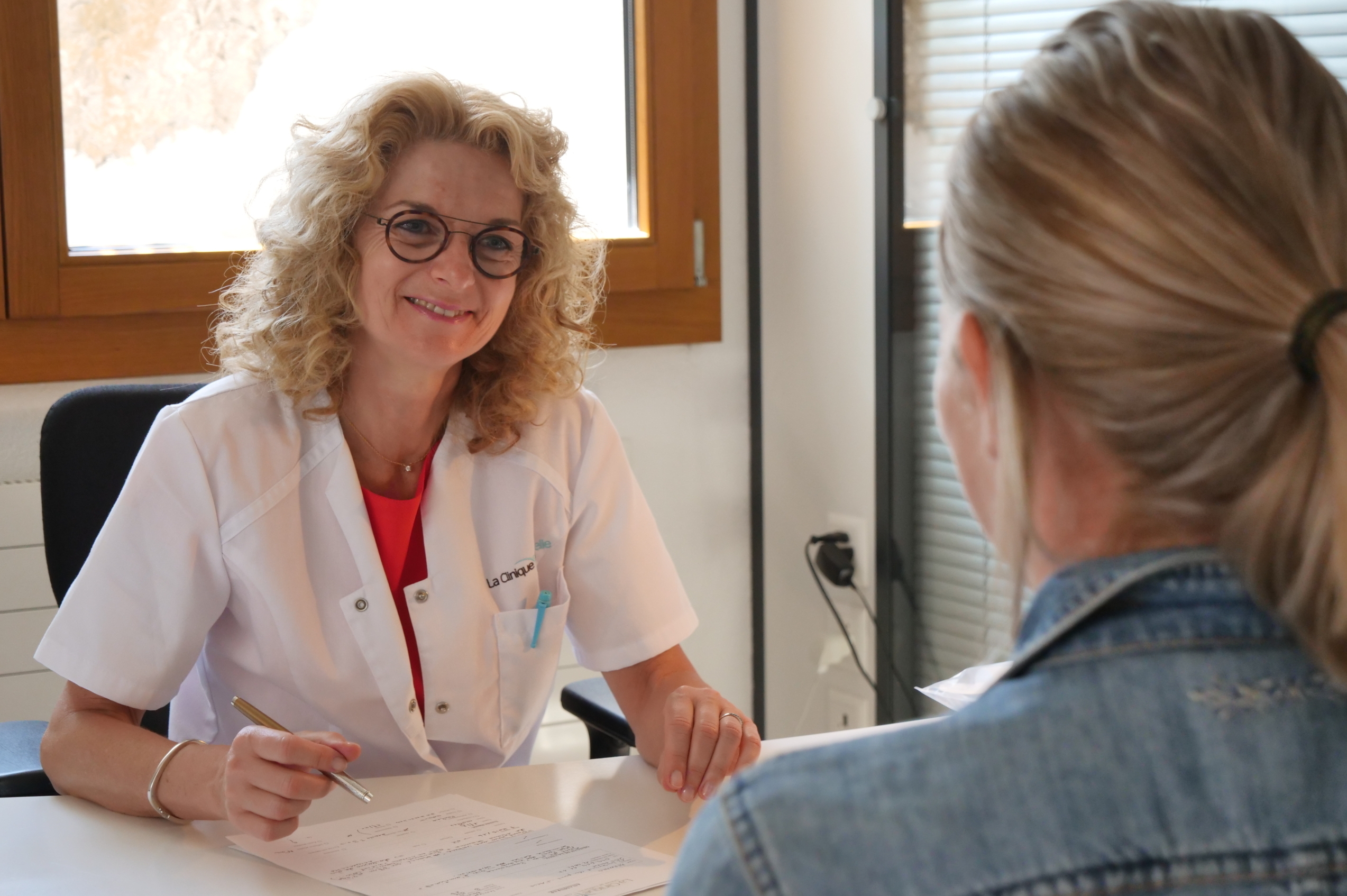
echange

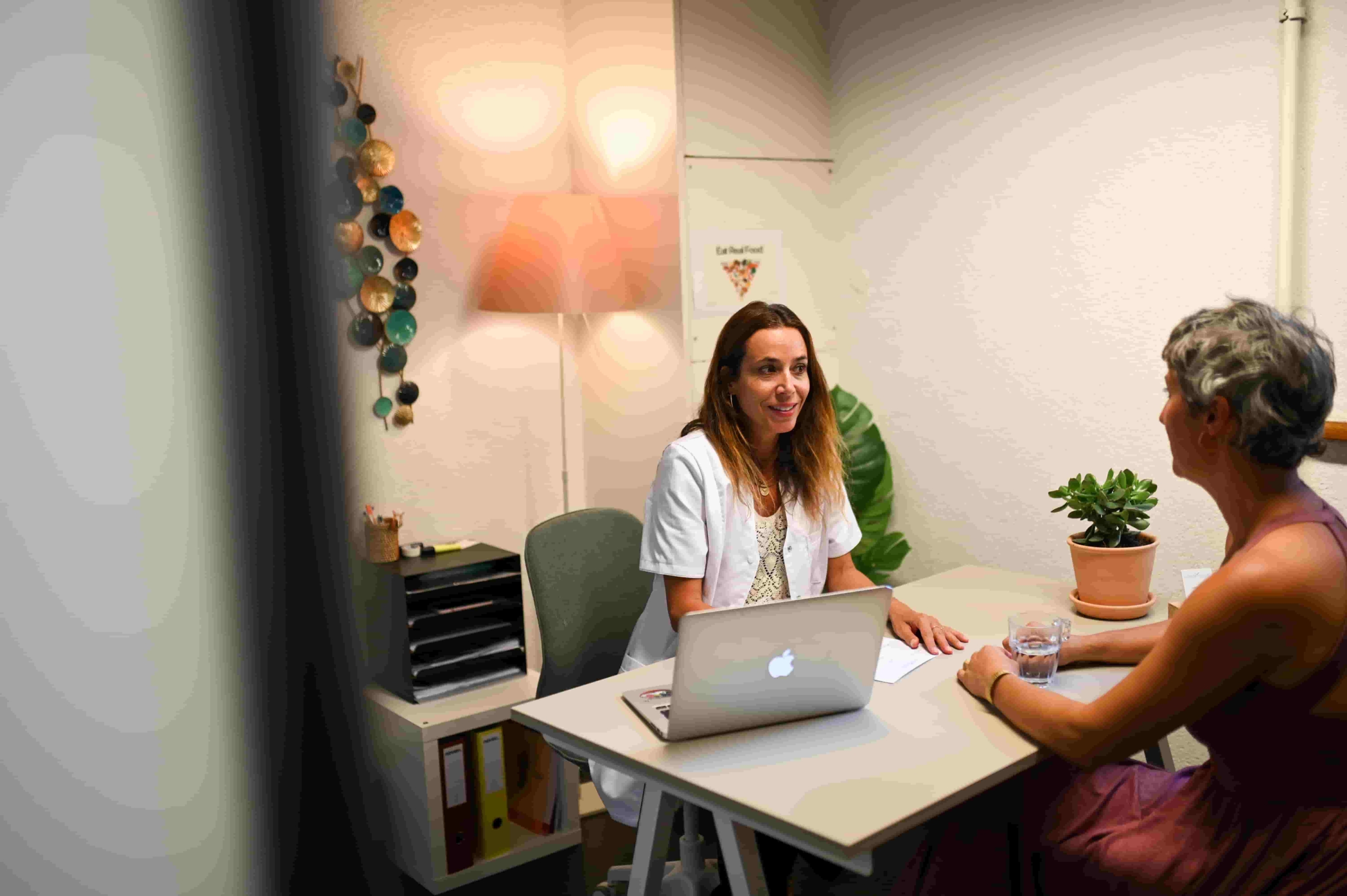
Naturopathy

Naturopathy takes a holistic approach to the situation, considering diet, sleep, stress, physical activity, digestion, and lifestyle habits. The goal is to identify the areas where intervention may be appropriate and to offer personalized advice.

nutrition

Nutrition

Nutritional counseling helps analyze eating habits and find a balance tailored to the individual. It is not based on the systematic exclusion of certain foods: recommendations are tailored to each person’s specific situation and needs.Nutritional counseling helps analyze eating habits and find a balanced diet tailored to the individual. It does not rely on the systematic exclusion of certain foods: recommendations are tailored to the individual’s specific situation and needs.

bioresonance

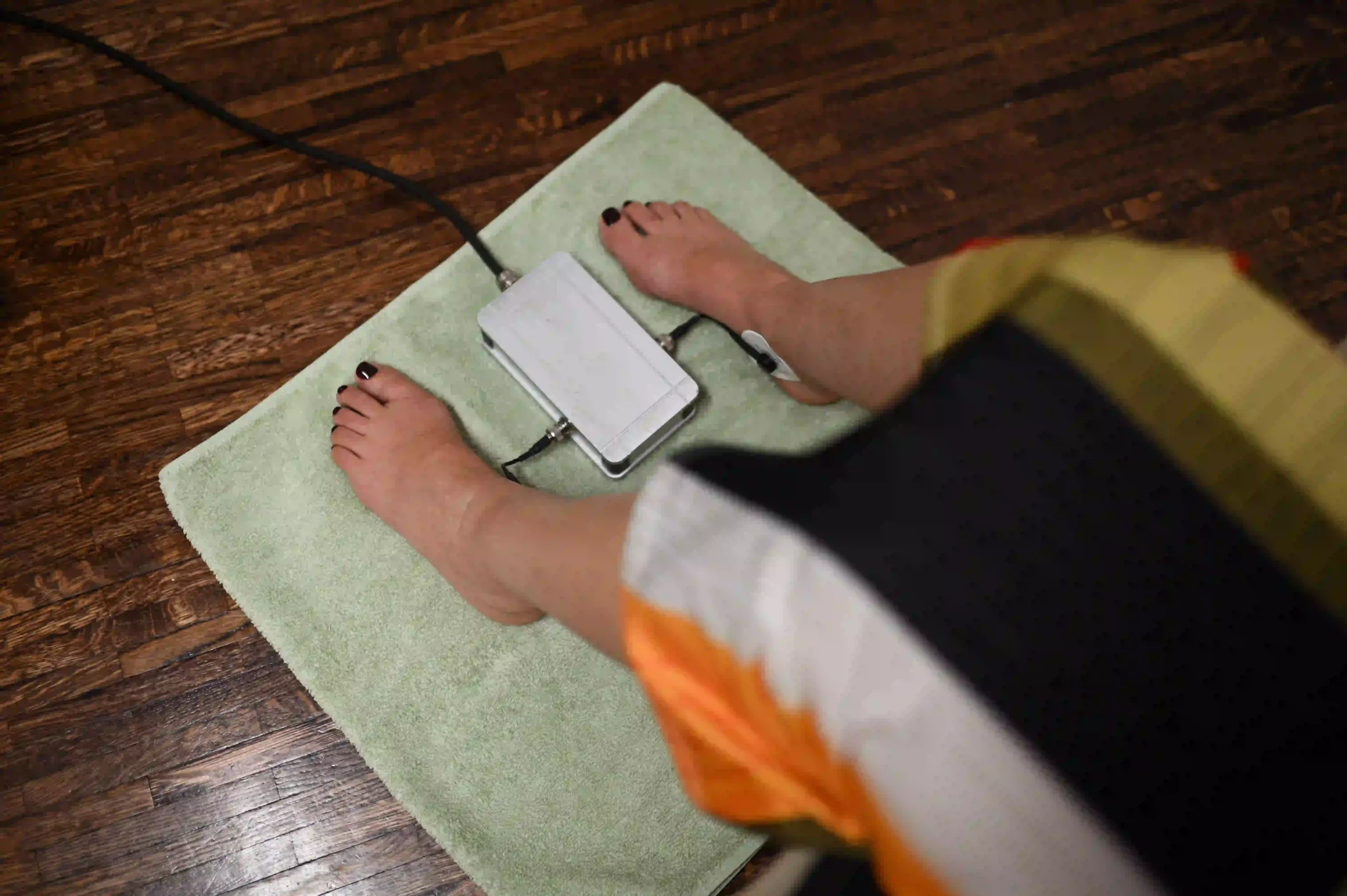
Bioresonance

Bioresonance offers a personalized approach that seeks to better understand a person’s overall condition and the various factors that may contribute to their imbalances.

In cases of skin conditions such as acne, it can be used to complement a comprehensive assessment, particularly in relation to diet, digestion, stress, or lifestyle. The observations made then allow the therapist to tailor their advice and the support provided.

2. Support the skin and overall balance
acupuncture

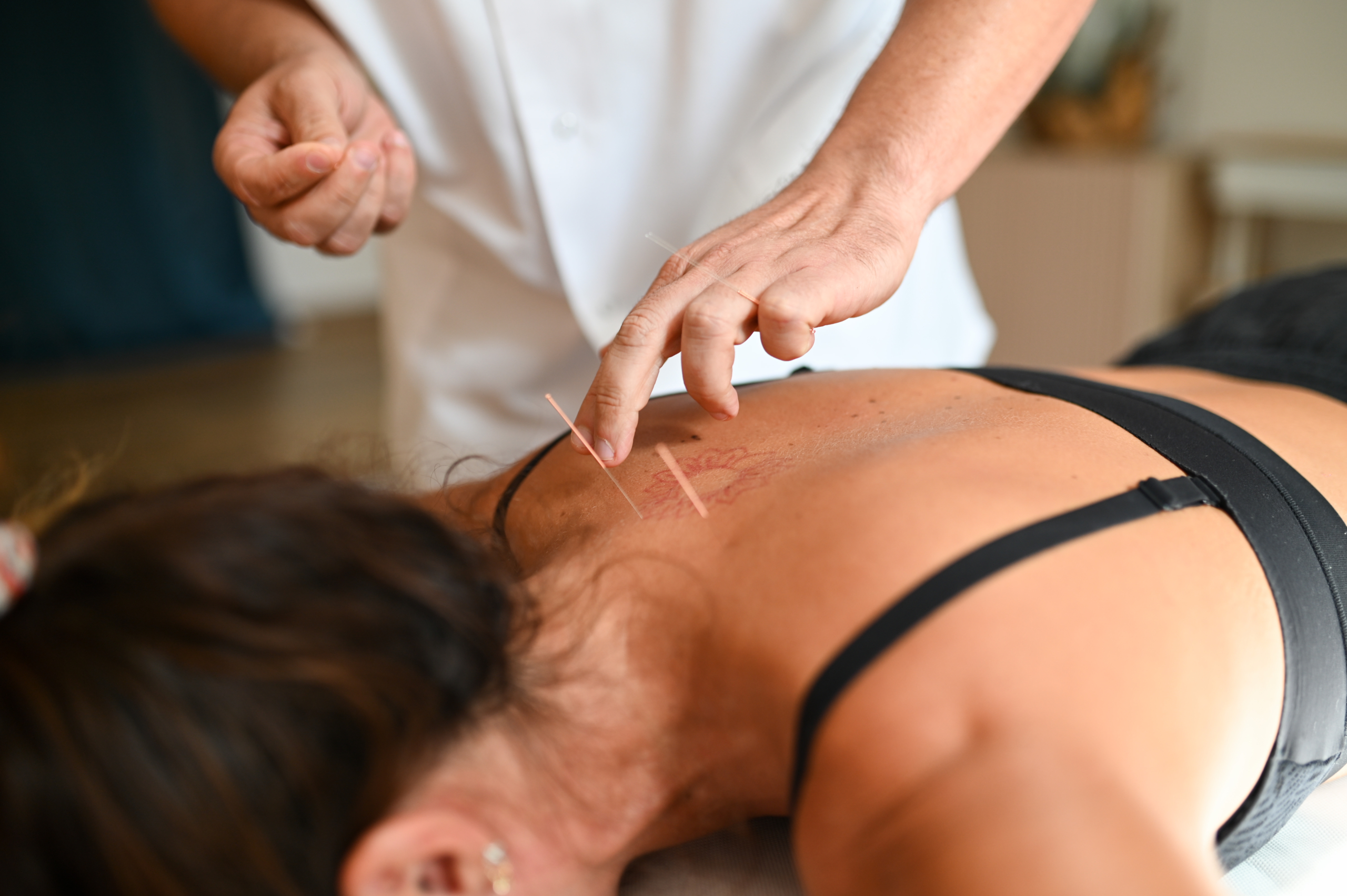
Acupuncture and Traditional Chinese Medicine

In traditional Chinese medicine, treatment is tailored based on an individualized assessment that takes into account not only skin symptoms but also various aspects of the patient’s overall health.

Acupuncture can therefore be recommended as a complementary approach.

3. Manage stress when it affects flare-ups
soin visage

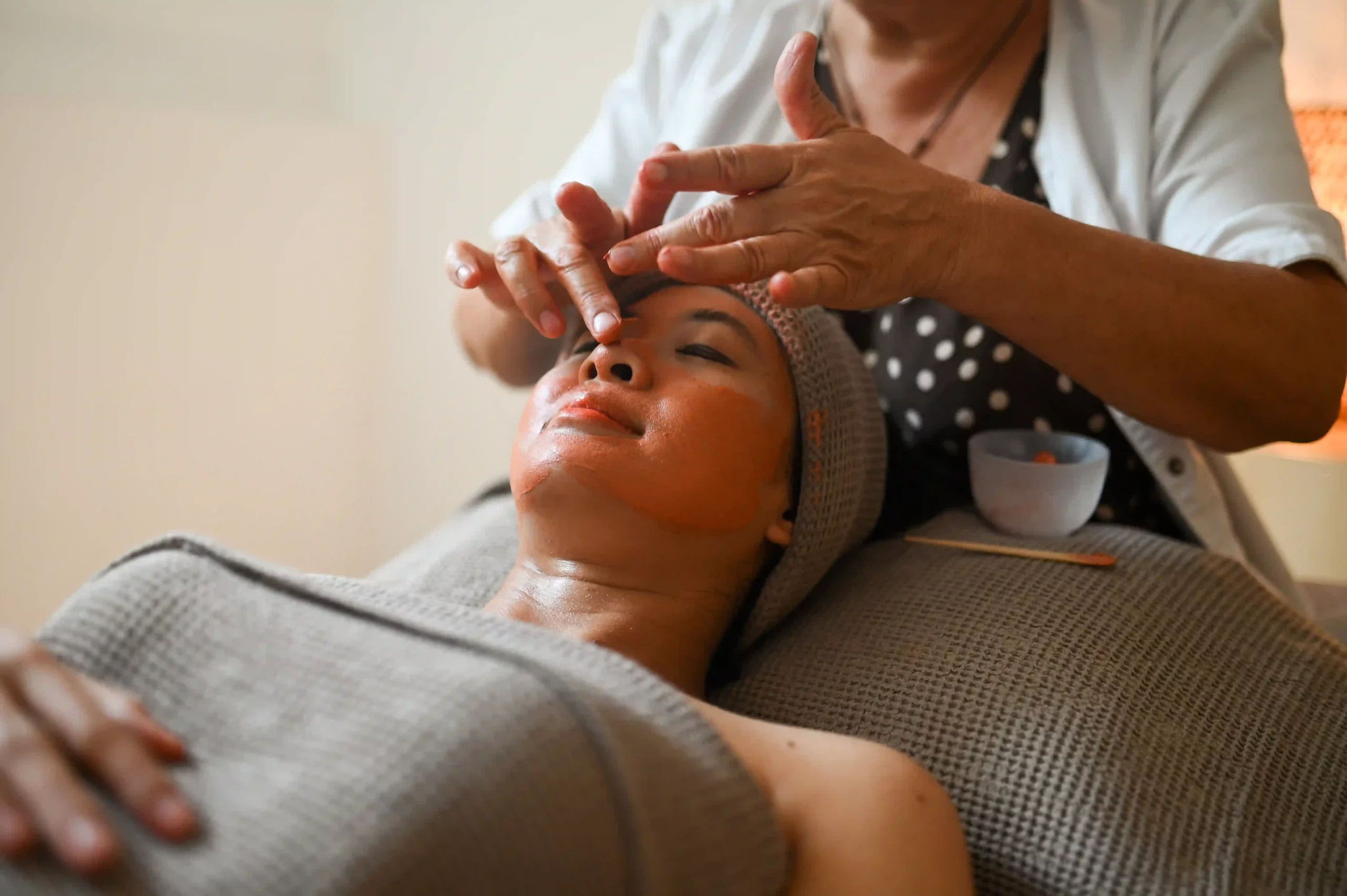
Facial care

For acne-prone skin, the facial treatment is tailored to the skin's specific condition and needs. It combines deep cleansing, exfoliation, a mask, and the application of targeted products to purify the skin, remove impurities, and restore its balance.

When performed regularly, these treatments help support the skin over the long term andmaintain its balance, texture, and hydration.

They are not covered by supplemental health insurance plans.

stress

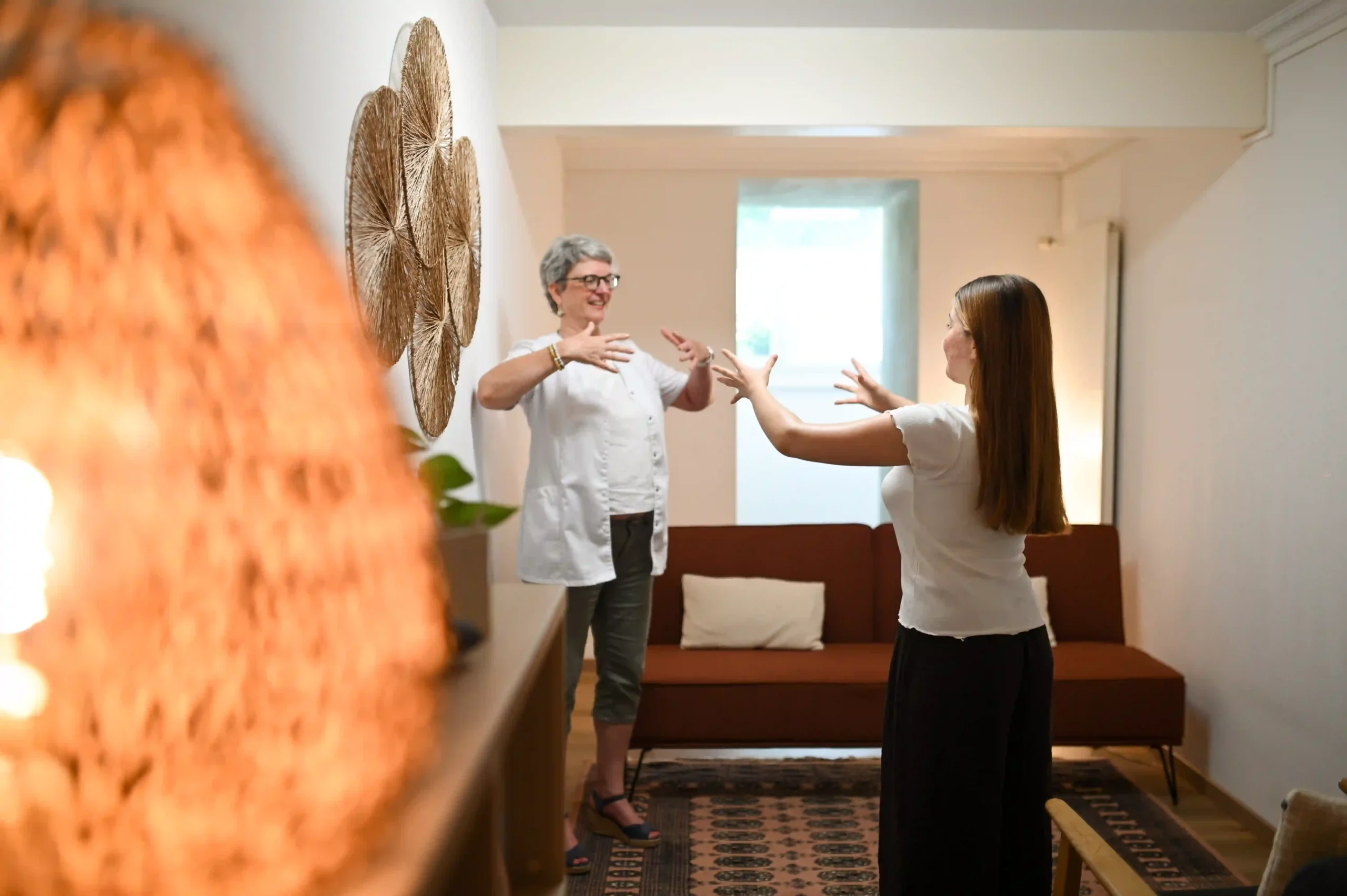
Support for Stress

Stress alone is not the cause of acne, but some people find that their breakouts get worse during stressful periods.

Approaches such as sophrology can help people better manage stress, promote relaxation, and develop tools they can use in their daily lives. These approaches address this associated factor rather than serving as a direct treatment for acne.

What Makes Our Support So Effective

Qualified and dedicated therapists,

ASCA- and/or RME-certified professionals who regularly consult with one another when appropriate to provide you with consistent support.

A wide variety of complementary therapies,

enabling us to develop a personalized support plan tailored to your specific challenges, needs, and progress.

An organization committed to a quality-focused approach,

with a common operating charter that ensures a rigorous working framework and respect for each therapist’s area of expertise.

A complementary approach to conventional medicine,

which is never a substitute for a medical diagnosis, follow-up, or treatment, and promotes coordinated care when appropriate.

FAQ – Acne

Why does acne develop in adulthood?August 21, 2026, 3:15:43 PM +02:00

Acne can persist beyond adolescence or develop in adulthood. Hormonal changes often play a role, particularly in women, but other factors—such as individual predisposition, certain cosmetic products, certain medications, or stress—can also influence its progression.

Can diet affect acne?August 21, 2026, at 3:16:01 p.m. +02:00

Some studies suggest a link between acne and certain dietary factors, particularly a diet with a high glycemic load. However, there is still insufficient evidence to recommend a specific diet for all people with acne. The approach must therefore remain individualized and balanced.


What is the connection between gut microbiota and acne?August 21, 2026, 3:16:20 PM +02:00

Research focuses on the relationships between the gut microbiota, inflammation, and skin health—sometimes referred to collectively as the “gut-skin axis.” These mechanisms are still being studied, and it is not yet possible to conclude that an imbalance in the microbiota is a direct cause of acne.


Why do I get acne mainly on my chin and jawline?August 21, 2026, 3:17:59 PM +02:00

The location of acne alone is not enough to determine its cause. In some adult women, however, acne that is predominantly located on the lower part of the face may be related to hormonal factors. If it is persistent or associated with irregular cycles or other symptoms, it may be advisable to seek medical advice.


Can you still get acne even if you have a good skincare routine?August 21, 2026, 3:18:38 PM +02:00

Yes. Acne is not caused by poor hygiene. It involves, among other things, sebum production, clogged follicles, and inflammatory processes. Excessive cleansing or the use of harsh products can actually irritate the skin. Gentle cleansing and appropriate products are generally preferable.


Sources and Information

Sources and Medical Information

The information on this page is provided for informational purposes only and is not a substitute for medical advice.

Sources consulted:

Last update to this page: August 21, 2026

Further information

Educational articles written by our therapists to help you better understand this topic and answer the most frequently asked questions:

Are the sessions covered by supplemental insurance?

Some supplemental insurance plans may cover part of the cost of sessions. However, coverage depends on your policy, the type of therapy you receive, and the therapist you choose.

Before your first appointment, we recommend that you contact your insurance provider directly and provide them with the following information:

  • the therapist's name;
  • the therapy in question.

The therapists at La Clinique Naturelle hold professional accreditations that vary depending on their specialty, including accreditation fromASCA and/or RME. However, these accreditations do not automatically guarantee reimbursement for sessions: only your insurance provider can confirm the exact terms of your coverage.

Do you have a question?

Contact our front desk
Are you unsure about a therapy?
Would you like to know how a session works, find out about rates and reimbursement from supplemental insurance, or get information about your treatment plan?
Our therapy coordinators are available Monday through Friday to answer your questions and provide guidance.

OR

Would you like to be referred to the most appropriate therapy?
Free Career Assessment – 30 minutes
Are you dealing with a specific issue, or are you unsure which approach to take?
Take advantage of a free consultation with Marie-Anne Geiser, naturopath and founder of La Clinique Naturelle.
This consultation allows us to assess your situation, answer your questions, and, if necessary, develop a personalized treatment plan by referring you to the therapy or therapies best suited to your needs.

How to find us

Rue Jean-Sénebier 20, Geneva (near Parc des Bastions).

Go to top