La Clinique Naturelle logo

Sophrology for Adults in Geneva

Sophrology for Adults in GenevaAugust 17, 2026, 7:03:05 PM +02:00


Find more peace of mind, confidence, and resources to better handle everyday situations.

Sophrology at the Clinique Naturelle 

✔ Sophrology is a mind-body method that combines breathing exercises, relaxation techniques, gentle movements, and guided visualizations.

✔ Personalized support to help you better manage stress, embrace your emotions, build your confidence, or prepare for an important event.

✔ Two sophrologists with complementary approaches— Célia Lobo, ASCA-certified, and Florence Suter, ASCA- and RME-certified—to provide support tailored to your needs.

✔ An approach aimed at developing simple, reusable tools for everyday use, to complement medical or psychological care when necessary.


Ready to find more peace of mind in your daily life?
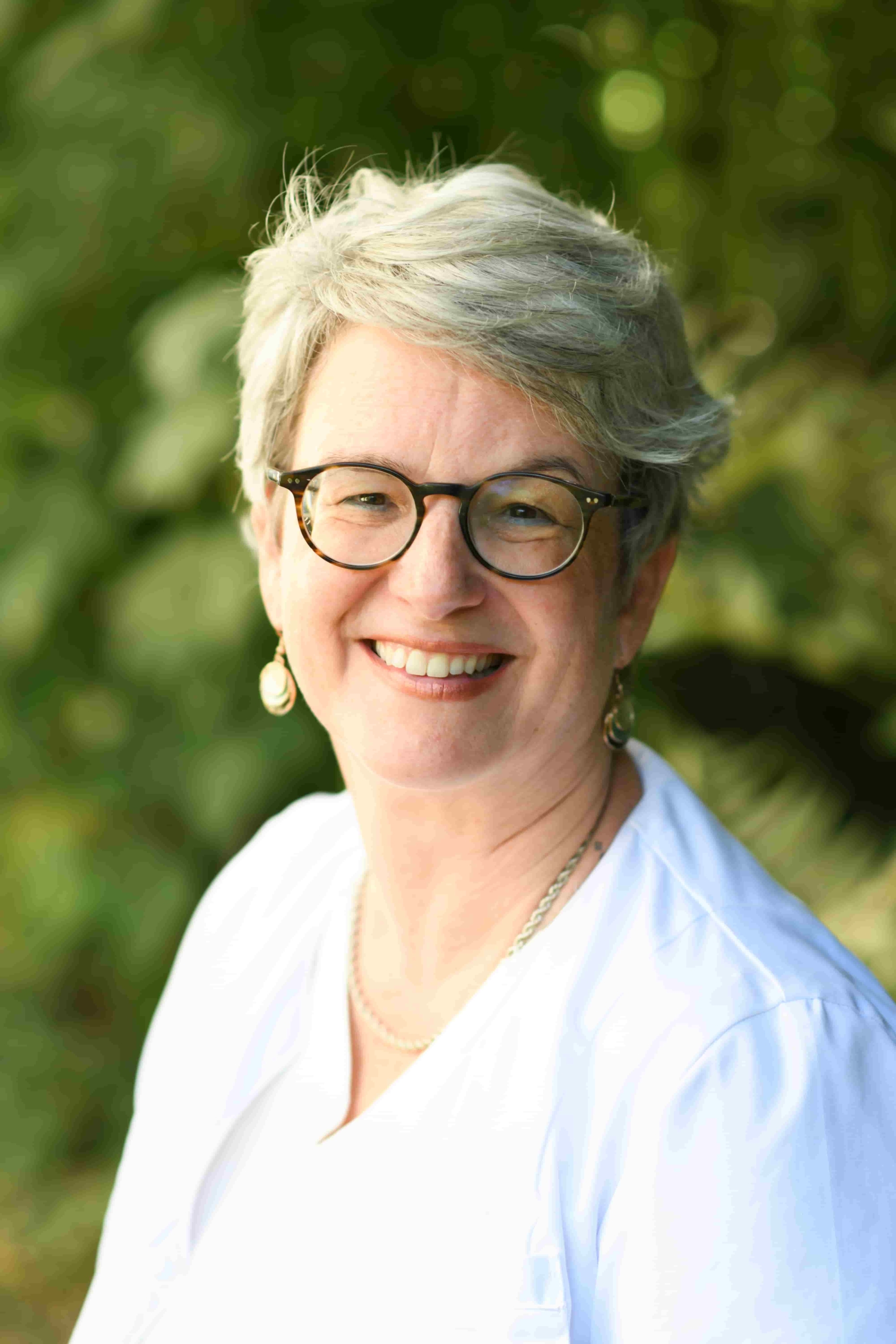
Our Sophrology Therapists

Two professionals with complementary approaches are here to support you.

Florence suter

ASCA- and RME-certified Sophrologist
Hypnotherapist

Adults, teens, and children ages 2 and up

Areas of expertise: chronic pain, sleep, tinnitus, neurodiversity, family caregivers, and emotional support.


LOBO Célia

ASCA-Certified Sophrologist
, Life Coach

Adults
. Appointments available in French, English, and Portuguese

Key areas: stress and emotions, self-confidence, mental preparation, work-life balance, perinatal care, and creativity.

Why practice sophrology?

Persistent stress, difficulty managing emotions, lack of confidence, sleep disturbances, preparing for an exam, or going through a period of change… These situations can have a significant impact on personal well-being, concentration, and quality of life.

Sophrology offers breathing, relaxation, movement, and visualization exercises to help individuals better recognize their tension, tap into their inner resources, and gradually regain a sense of calm.

In particular, it can be considered for:

  • better manage stress and tension;
  • accept and manage one's emotions;
  • build confidence and self-esteem;
  • help promote relaxation before bedtime when sleep is disrupted by stress;
  • prepare for an exam, an interview, a competition, or a public speaking event;
  • provide support during pregnancy and help prepare for childbirth;
  • navigate a period of change or a difficult life situation with greater peace of mind;
  • develop concentration, creativity, and personal resources;
  • to better cope with certain chronic pains or difficulties, as a complement to medical care.

The support is tailored to your situation, your needs, and the goal you’ve set with the sophrologist. It does not promise that a symptom will disappear; rather, its primary aim is to provide you with practical tools that you can gradually incorporate into your daily life.

What is sophrology?

Sophrology is a mind-body method that integrates the body, breathing, and mindfulness.

A session may include:

  • controlled breathing exercises;
  • gentle body movements, known as dynamic relaxation;
  • a focus on bodily sensations;
  • a guided relaxation session;
  • visualization and mental preparation exercises;
  • a time to share thoughts and feelings experienced during the practice.

The person remains conscious, free to move as they wish, and actively participates in the session. They can adjust or stop an exercise at any time.

The techniques suggested are chosen based on the specific goal being addressed. They can then be practiced between sessions to help integrate them and gradually develop greater independence.

What benefits can be expected from sophrology?

Sophrology can address a wide range of needs depending on a person’s situation, age, and goals. It is not intended to treat a medical condition, but rather to provide tools that enable individuals to better manage certain challenges, tap into their own resources, and gradually gain greater independence.

The effects experienced vary from person to person and depend, in particular, on the specific issue being addressed, the frequency of sessions, and personal practice between appointments.


anxiété

Stress, Anxiety, and Emotions

Sophrology can offer tools to better manage stress, anxiety, and emotions in everyday life.

It can help:

✓ Identify and release certain tensions;
✓ Better accept your emotions;
✓ Regain a sense of calm more easily;
✓ Take a step back during stressful times;
✓ Prevent burnout from setting in.

migraine

Confidence and Mental Preparation

Exercise can help:

✓ Build confidence in your abilities;
✓ Improve your concentration;
✓ Better manage stage fright;
✓ Prepare for an exam, an interview, a competition, or a public speaking engagement;
✓ Approach an important situation with greater composure.

fatigue

Sleep and Recovery

When sleep disorders are related to stress, tension, or ruminating, sophrology can provide tools to promote relaxation before bedtime.

It can help:

✓ Release tension;
✓ Calm intrusive thoughts;
✓ Establish a relaxation routine;
✓ Create conditions that are more conducive to falling asleep.

pb dentaire

Chronic Pain and Tinnitus

In addition to medical care, sophrology can provide tools for people affected by tinnitus, chronic lower back pain , or other persistent pain.

It can help:

✓ better manage the stress associated with symptoms;
✓ temporarily shift your attention to other sensations;
✓ release some tension;
✓ develop personal coping strategies;
✓ better cope with the daily impact of symptoms.

Neuroatypy

For some people with high intellectual potential (HPI), ADHD, ASD, or DYS disorders, exercises can be adapted to:

✓ Better recognize situations of sensory overload;
✓ Help children calm down;
✓ Support emotional regulation;
✓ Help children focus;
✓ Develop personalized body awareness cues.

grossesse et PMA

Pregnancy, Perimenopause, and Menopause

Sophrology can provide support during certain stages of a woman’s hormonal cycle, particularly pregnancy, perimenopause, and menopause, as a complement to appropriate medical or gynecological care.

It can help:

✓ Promote relaxation during pregnancy;
✓ Cope better with physical and emotional changes;
✓ Manage certain anxieties and mentally prepare for childbirth;
✓ Better manage stress and emotions during perimenopause and menopause;
✓ Promote calm when these changes disrupt sleep or daily life.

hydrologie 3

Life Changes and Creativity

During a time of transition or uncertainty, it can help:

✓ Take a step back;
✓ Regain your bearings;
✓ Tap into your ability to adapt;
✓ Foster concentration and creativity;
✓ Gradually move toward a new balance.

Sophrology is part of a complementary approach

Sophrology is a complementary approach. It cannot be used to make a diagnosis and is not a substitute for a medical consultation, psychotherapy, or prescribed treatment.

If you are experiencing severe anxiety, depression, trauma, persistent pain, significant sleep disturbances, or any unusual symptoms, it is essential to consult a qualified healthcare professional.

When appropriate, sophrology can be incorporated into a more comprehensive treatment plan, in coordination with your doctor, psychologist, psychiatrist, or another healthcare professional.

How does a sophrology session work?

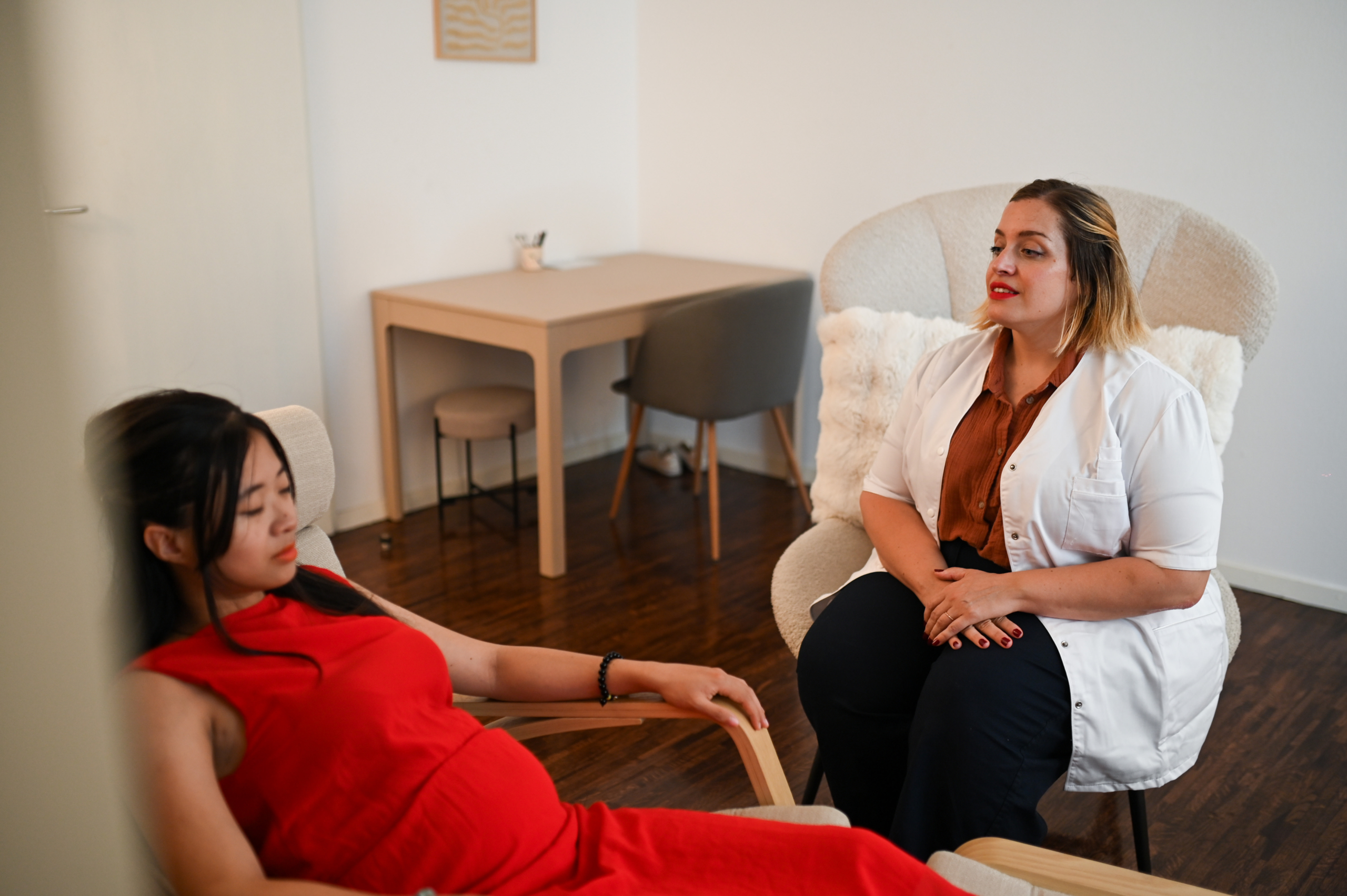
The session begins with a discussion to assess your situation, your needs, and your goal.

The sophrologist then guides you through a series of tailored exercises. The session generally consists of five steps:

  1. Time to discuss your situation and the goal of the session.
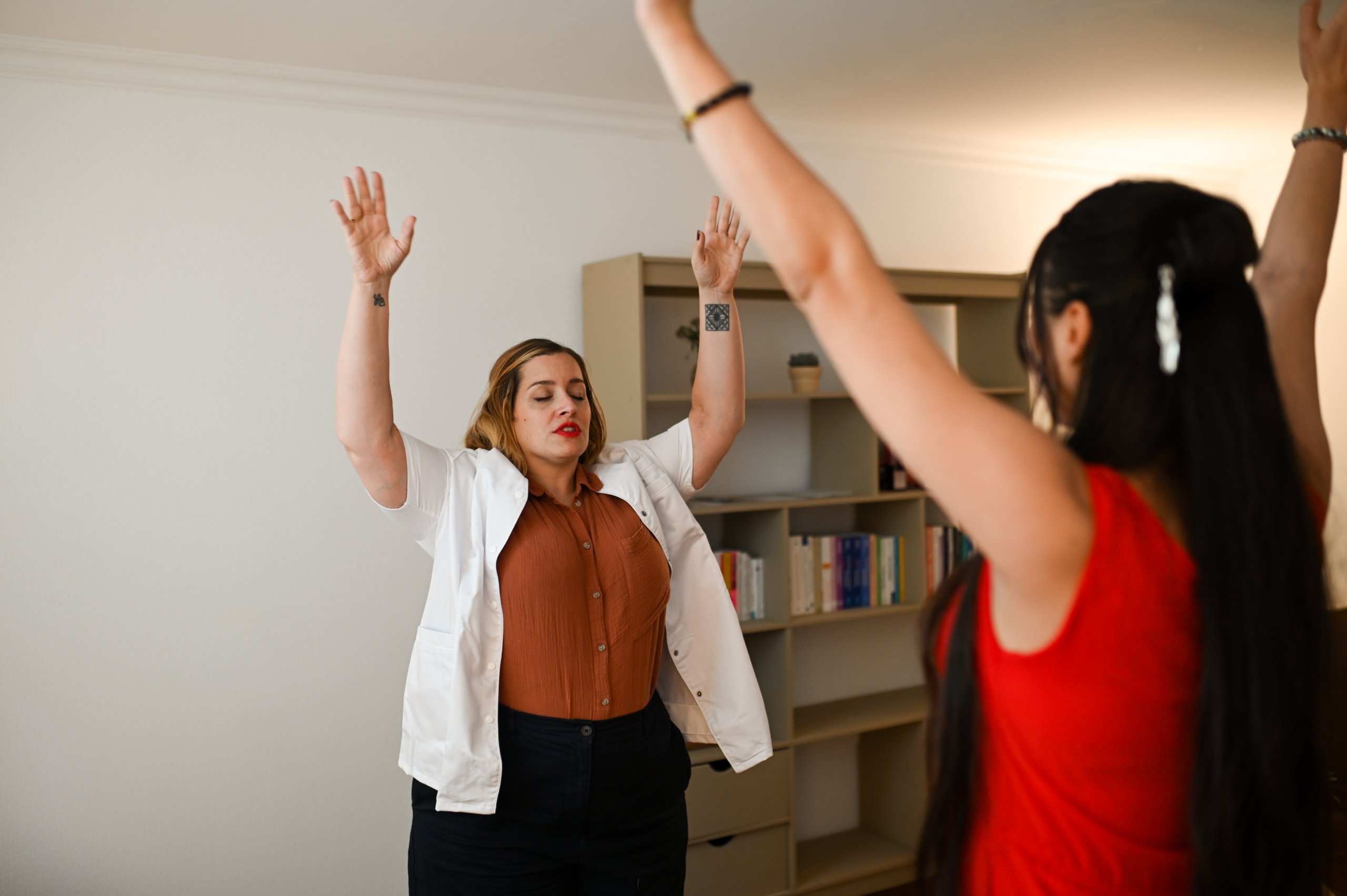
  2. Dynamic relaxation combining gentle movements, breathing, and body awareness.
  3. Guided relaxation or visualization, also known as sophronization.
  4. Expressing the feelings experienced during the practice, without any obligation to analyze or interpret them.
  5. Final discussion and, if desired, selection of an exercise to try in your daily life.

The exercises are usually done while sitting or standing, in comfortable clothing. No special equipment is required.

You remain fully aware and actively involved throughout the session. You can adjust or stop an exercise at any time.

What happens during the first session?

The first session includes an in-depth interview, known as a medical history. It allows the sophrologist to better understand:

  • your request;
  • your current situation;
  • your expectations;
  • any difficulties encountered;
  • your health status and any ongoing medical care;
  • the goal you want to work on.

You may then be offered your first sophrology session.

Based on this discussion, the therapist will develop a personalized treatment plan tailored to your needs, which may evolve over the course of the sessions.

The first consultation lasts about 1 hour and 30 minutes. Follow-up sessions usually last 1 hour.

How many sophrology sessions should I plan for?

There is no set number of sessions that applies to everyone. The duration of the counseling depends on your situation, your goal, and how your needs evolve.

A few sessions may be scheduled to prepare for a specific event, such as an exam, an interview, or a public speaking engagement. A more gradual support program may be offered for long-standing difficulties.

The frequency and number of sessions are determined with your sophrologist after the first consultation and then reassessed on a regular basis.

Sophrology aims to help you gradually become self-reliant. Therefore, the treatment is not intended to continue indefinitely.

Are there any contraindications to sophrology?

Sophrology is generally considered a gentle practice, but that does not mean it is equally suitable for all situations.

It is important to inform the sophrologist:

  • your health issues;
  • a pregnancy;
  • pain that limits certain movements;
  • respiratory problems;
  • a psychological or psychiatric disorder;
  • treatments and support services already underway.

If there is any doubt, the therapist may request a preliminary medical opinion or refer you to a more appropriate healthcare professional.

How do you choose between sophrology, hypnosis, life coaching, and the MOSAIC method?

Sophrology is particularly well-suited if you want to learn breathing, relaxation, and visualization exercises that you can use on your own to better manage stress, emotions, and sleep, or to prepare for an event.

Life coaching focuses more on setting goals, identifying obstacles, and taking concrete steps. Célia Lobo can combine sophrology and coaching based on your needs.

Hypnosis offers a more immersive experience, based on a state of focused attention and guided by the therapist.

The MOSAIC method, inspired by certain principles of EMDR, uses, among other things, alternating bilateral stimulation to mobilize a person’s resources when facing an emotional challenge. Florence Suter may combine sophrology, hypnosis, or the MOSAIC method when appropriate.

No single approach is consistently better than another. The choice depends on your goals, preferences, and circumstances. An initial consultation with Célia or Florence will help determine the most appropriate support for you.

What makes our sophrology support at La Clinique Naturelle so effective?

Two sophrologists with complementary backgrounds.

The sessions are led by Célia Lobo, an ASCA-certified sophrologist and life coach, and Florence Suter, an ASCA- and RME-certified sophrologist and hypnotherapist.

Their complementary approaches allow us to guide you based on your needs:

  • Célia specializes in helping with stress, emotions, self-confidence, sleep, mental preparation, and creativity;
  • Florence specializes in treating chronic pain, sleep issues, and neuroatypical conditions, and may also use hypnosis when appropriate.

A multidisciplinary team at your service

Célia Lobo and Florence Suter work as part of a team of therapists with complementary skills. Regular discussions among professionals, the sharing of experiences, and knowledge of different approaches help enrich each treatment plan.

When appropriate, they can also refer you to other therapies offered at Clinique Naturelle to best meet your needs.

A secure environment 

Clinique Naturelle is committed to a quality-focused approach. Florence Suter and Célia Lobo have adopted a joint operating charter that ensures a rigorous work environment and adherence to their respective areas of expertise.

A complementary approach to conventional medicine

Sophrology is part of a complementary approach to conventional medicine. It is never a substitute for medical care and can, when necessary, be integrated into a treatment plan coordinated with your doctor or other healthcare professionals.

Your treatment at a glance

What happens during your sophrology session?

The first 1.5-hour session includes an in-depth discussion and an initial practice. Subsequent sessions last 1 hour and typically combine a discussion, breathing exercises, gentle movements, relaxation or guided visualization, followed by time dedicated to reflecting on your experiences.

How often should you plan to do this?

There is no standard number of sessions. The frequency depends on your goal, your situation, and your progress. It is determined in consultation with the sophrologist and then reassessed throughout the course of treatment.

Rates

Session Duration Rates
First session 1h30 CHF 170
Follow-up session 1h CHF 150
5-Session Pass* 5 x 1 hour CHF 700
10-Session Pass* 10 x 1 hour CHF 1300

*Our subscriptions are valid for 1 year

Are the sessions covered by supplemental insurance?

Sessions may be partially reimbursed by certain supplemental insurance plans. However, coverage depends on your policy, the type of therapy you receive, and the therapist you choose.

Before your first appointment, we recommend that you contact your insurance provider directly and provide them with the following information:

  • the therapist's name;
  • the therapy in question.

The therapists at La Clinique Naturelle hold professional certifications that vary depending on their specialty, including accreditation from theASCA and/or the RME. However, these accreditations do not automatically guarantee reimbursement for sessions: only your insurance provider can confirm the exact terms of your coverage.

FAQ – Sophrology

Are sophrology sessions covered by insurance in Switzerland?August 13, 2026, 3:29:23 PM +02:00

Some supplemental insurance plans may cover part of the cost. Célia Lobo is ASCA-certified, and Florence Suter is ASCA- and RME-certified in sophrology. Coverage depends on your policy, the method used, and the therapist: please check these details with your insurance provider before your appointment.

How much does a sophrology session cost in Geneva?August 13, 2026, 3:28:12 PM +02:00

At La Clinique Naturelle, the initial consultation lasts about 1 hour and 30 minutes and costs CHF 170. A follow-up session lasts about 1 hour and costs CHF 150. Packages of multiple sessions are also available.

Do I need to wear anything special for a sophrology session?August 13, 2026, 3:27:17 PM +02:00

No. Regular, comfortable clothing is sufficient; there is no requirement to wear workout clothes. The exercises are generally performed while sitting or standing and are adapted to each person’s physical abilities.

Should you practice sophrology between sessions?August 13, 2026, 3:26:19 PM +02:00

A short, regular personal practice can help you incorporate the exercises and gradually use them on your own. The sophrologist will suggest practices tailored to your goals, your pace, and your abilities.

How many sophrology sessions should I plan for?August 13, 2026, 3:24:59 PM +02:00

There is no one-size-fits-all number. A few sessions may be sufficient to prepare for a specific event, while a more general goal may require ongoing support. The frequency is determined in consultation with the sophrologist and reassessed based on your progress.

Can sophrology be used to support pregnancy and childbirth preparation?August 13, 2026, 3:25:03 PM +02:00

Appropriate breathing, relaxation, and visualization exercises can help you cope better with the changes of pregnancy and mentally prepare for the different stages of childbirth. This support is not a substitute for care from a midwife or OB-GYN.

Is sophrology really effective?August 13, 2026, 3:21:38 PM +02:00

Sophrology can help some people better manage stress, emotions, or preparation for an event, but results vary depending on the individual, the goal, and how regularly the practice is followed. It does not guarantee the disappearance of a symptom and is not a substitute for medical or psychological treatment, but it can complement them.

Can sophrology help with stress or anxiety?August 13, 2026, 3:22:11 PM +02:00

Breathing, relaxation, and body awareness exercises can help you identify tension, accept your emotions, and return to a state of calm more easily. However, intense, persistent, or debilitating anxiety requires medical or psychological care.

Can sophrology help you sleep better?August 13, 2026, 3:22:39 PM +02:00

When difficulty falling asleep is linked to stress, tension, or ruminating, sophrology can promote relaxation and help establish a calming bedtime routine. A persistent or severe sleep disorder should be evaluated by a doctor.

Can sophrology help with chronic pain or tinnitus?August 13, 2026, 3:23:12 PM +02:00

In addition to medical care, sophrology can provide tools to better manage stress, tension, and certain daily effects associated with chronic pain or tinnitus. It does not treat the underlying causes and is not a substitute for necessary medical care.

Sophrologie

Sources and Information

Do you have a question?

Contact our front desk
Are you unsure about a therapy?
Would you like to know how a session works, find out about rates and reimbursement from supplemental insurance, or get information about your treatment plan?
Our therapy coordinators are available Monday through Friday to answer your questions and provide guidance.

OR

Would you like to be referred to the most appropriate therapy?
Free Career Assessment – 30 minutes
Are you dealing with a specific issue, or are you unsure which approach to take?
Take advantage of a free consultation with Marie-Anne Geiser, naturopath and founder of La Clinique Naturelle.
This consultation allows us to assess your situation, answer your questions, and, if necessary, develop a personalized treatment plan by referring you to the therapy or therapies best suited to your needs.

How to find us

Rue Jean-Sénebier 20, Geneva (near Parc des Bastions).

Go to top