
Chinese pharmacopoeia is one of the tools of traditional Chinese medicine (TCM). It is based primarily on the use of plant-derived substances, which are traditionally combined into formulas tailored to the therapist’s assessment.
At La Clinique Naturelle in Geneva, herbal medicine is generally part of a more holistic approach to Chinese medicine. Depending on the situation, the therapist may use it on its own or in combination with acupuncture, Tui Na, moxibustion, or cupping.
The recommended treatment plan, when indicated, is tailored to the individual and can be adjusted as treatment progresses.

What is Chinese pharmacopoeia?
Chinese pharmacopoeia is one of the historical practices of traditional Chinese medicine.
Although the term “Chinese herbal medicine” is sometimes used, the two terms are not entirely synonymous. Traditional Chinese medicine is not based exclusively on plants: historically, it has included various substances of plant, mineral, or animal origin.
In current practice, the preparations used depend, among other things, on the products available, the regulations governing them, and quality and safety requirements.
These substances are generally not used on their own. They are combined in formulas whose composition and proportions are based on the principles of traditional Chinese medicine.
Therefore, there is no single treatment regimen that is systematically prescribed to all patients presenting with the same symptom.

The Pharmacopoeia: One Tool Among the Various Practices of Traditional Chinese Medicine
Making an appointment with a therapist who practices pharmacopoeia does not necessarily mean you will receive only pharmacopoeia treatments.
During the consultation, the therapist begins by conducting a Traditional Chinese Medicine assessment. The therapist focuses on the reason for the consultation, its progression, and any other associated symptoms, as well as the person’s overall health—including sleep, digestion, and energy levels—and any treatments or medications the person is already taking.
Based on this assessment, and depending on the situation and the client's background, the therapist determines which techniques seem most appropriate.
Care may therefore involve:
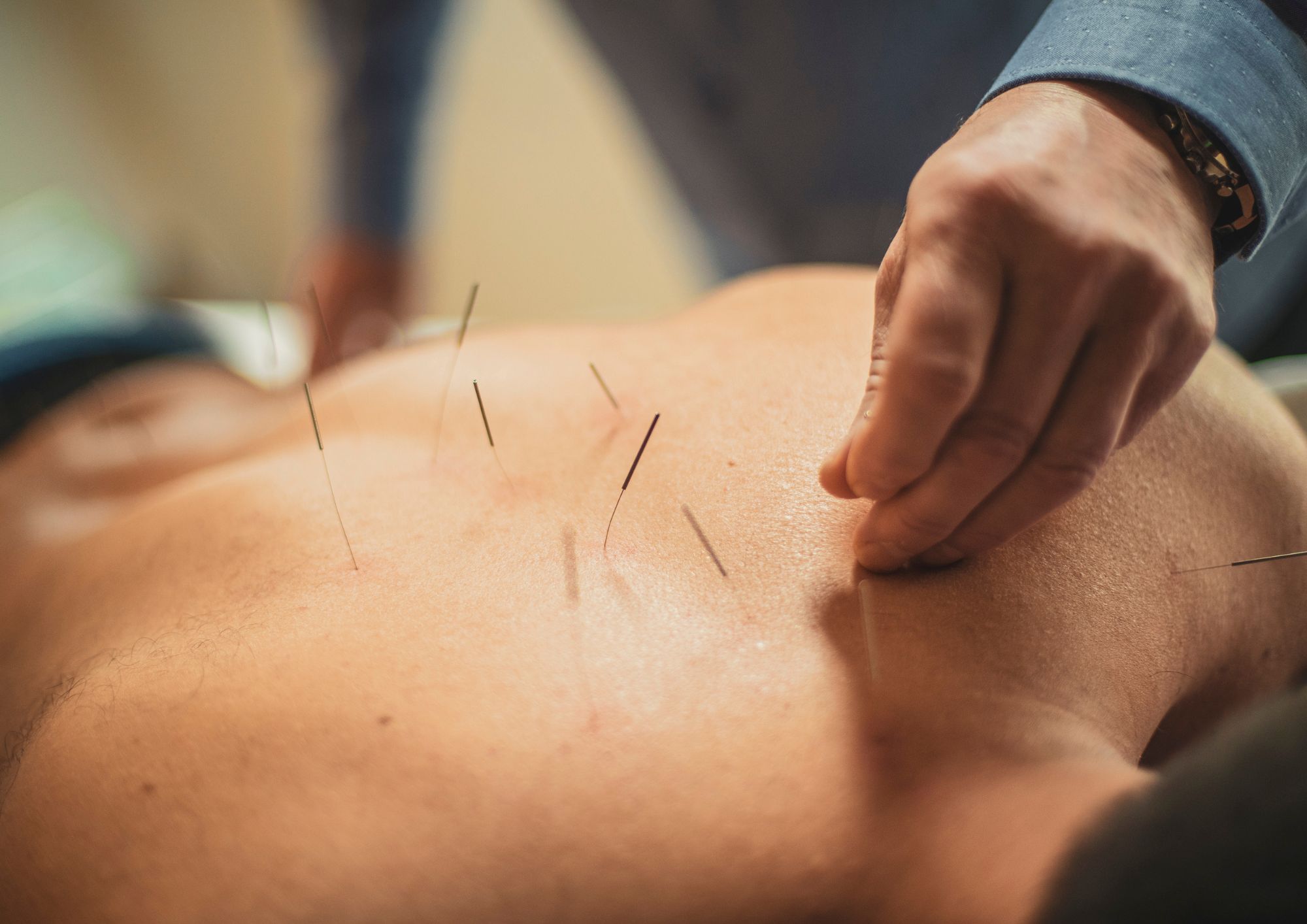
- acupuncture, which involves stimulating specific points using fine needles;
- the Chinese pharmacopoeia, when a formula to be taken between appointments is appropriate;
- Tui Na, which uses various manual, pressure, and mobilization techniques;
- moxibustion, which traditionally uses the heat produced by burning moxa;
- suction cups, which create localized suction on the skin;
- auriculotherapy, which involves stimulating certain points on the outer ear.
These techniques are not always used together. The therapist chooses the tools he or she considers most appropriate for your situation, based on his or her training and your preferences.


Why choose La Clinique Naturelle for traditional Chinese medicine treatment?
Your treatment at a glance


Rates
| Session | Duration | Rates |
|---|---|---|
| One session | 1h | CHF 160 |
| 5-Session Pass* | 5 x 1 hour | CHF 750 |
| 10-Session Pass* | 10 x 1 hour | CHF 1400 |
*Our subscriptions are valid for 1 year
Are the sessions covered by supplemental insurance?
Some supplemental insurance plans may cover part of the cost of sessions. However, coverage depends on your policy, the type of therapy you receive, and the therapist you choose.
Before your first appointment, we recommend that you contact your insurance provider directly and provide them with the following information:
- the therapist's name;
- the therapy in question.
The therapists at La Clinique Naturelle hold professional accreditations that vary depending on their specialty, including accreditation fromASCA and/or RME. However, these accreditations do not automatically guarantee reimbursement for sessions: only your insurance provider can confirm the exact terms of your coverage.
Sources and Information
Sources and Medical Information
The information on this page is provided for informational purposes only and is not a substitute for medical advice.
-
World Health Organization (WHO) – Traditional medicine
The WHO provides information on traditional and complementary medicine, its use, and related issues, particularly regarding its evaluation, regulation, quality, and safety.
Visit the WHOWorld Health Organization (WHO) – WHO International Standard Terminologies on Traditional Chinese Medicine
Reference document on the international standardization of terminology used in traditional Chinese medicine.
View the WHO publicationNational Center for Complementary and Integrative Health (NCCIH) – Traditional Chinese Medicine: What You Need to Know
A summary by the U.S. National Institutes of Health on various practices of traditional Chinese medicine, the available scientific evidence, and safety issues related in particular to products from the Chinese pharmacopoeia.
Visit the NCCIHNational Center for Complementary and Integrative Health (NCCIH) – Safe Use of Complementary Health Products and Practices
Information on the safety of complementary health products, including possible interactions and product quality.
Visit the NCCIHWorld Health Organization (WHO) – Pharmacovigilance for Traditional Medicine Products
Document on the importance of pharmacovigilance and safety monitoring for traditional medicine products.
View the WHO publication
Last update to this page: September 1, 2026
Further information
Educational articles written by our therapists to help you better understand this topic and answer the most frequently asked questions:
- TCM and Cancer: A Complementary Approach to Supporting Patients Through Their Treatment
The role of Traditional Chinese Medicine as a complement to cancer treatments, the necessary precautions, and our decision at La Clinique Naturelle not to use herbal medicine for patients with cancer. - Perimenopause Treatment: Understanding and Relieving Symptoms with Traditional Chinese Medicine
An overview of the Chinese medical approach to perimenopause and the various TCM tools that may be considered depending on the situation.
FAQ – Pharmacopoeia
Pregnancy and breastfeeding require special precautions regarding the use of herbs and other substances.
You should therefore always inform your therapist and the healthcare professionals responsible for your medical care if you are pregnant, breastfeeding, or planning to become pregnant.
No. A natural substance may have side effects, contraindications, or interactions with certain medications.
The quality and origin of the formulations are also important. At La Clinique Naturelle, special attention is paid to the selection of manufacturers, the origin of the products, and quality control.
Certain plants and substances can interact with medications. It is therefore essential to tell your therapist about all the medications, treatments, and dietary supplements you are taking.
Medical treatment should never be discontinued or changed without consulting the healthcare professional who prescribed it.
The choice of a treatment plan is generally not based solely on a single symptom or the name of a disease.
The therapist conducts a Traditional Chinese Medicine assessment that takes into account the reason for the consultation, its progression, and various aspects of the patient’s overall health. The treatment plan is tailored to the individual and can be adjusted as the treatment progresses.
Therefore, two people with similar issues do not necessarily receive the same preparation.
Acupuncture and herbal medicine are two practices of traditional Chinese medicine.
Acupuncture involves stimulating specific points on the body using fine needles. Herbal medicine involves taking herbal preparations for a specific period of time. These can be used separately or in combination, depending on the therapist’s assessment.
Yes, but herbal medicine is generally viewed as one of the tools used in traditional Chinese medicine treatment.
The therapist first conducts an assessment. Depending on the situation, their training, and your preferences, they then determine the most appropriate techniques and may recommend herbal medicine alone or combine it with acupuncture, among other treatments.
Chinese pharmacopoeia is part of the system of traditional Chinese medicine. It is traditionally based on the combination of several substances in formulas selected according to the assessment made by the practitioner.
Phytotherapy refers more broadly to the use of plants for therapeutic purposes. Both approaches may therefore use plants, but their theoretical frameworks and the methods used to prepare the remedies differ.
Coverage may be available depending on your supplemental insurance, your policy, the recognized treatment method, and the therapist you see.
Since coverage varies from one insurer to another, we recommend that you contact your insurance provider before your first appointment and provide them with the therapist’s name and the treatment method being used.
Do you have a question?
OR